How to Choose the Right Private Label Supplement Manufacturer for Your Brand
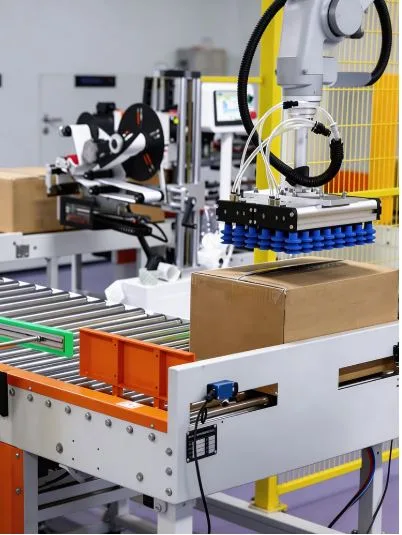
Launching a supplement brand involves much more than creating an attractive label and choosing a product name. Behind every successful supplement business is a reliable manufacturing partner capable of producing consistent, high-quality products while meeting regulatory and business requirements. For entrepreneurs and established brands, choosing the right private label supplement manufacturer can have a significant impact on product quality, customer satisfaction, and long-term growth.
With many manufacturers offering different services, minimum order quantities, formulations, and production capabilities, it is important to evaluate potential partners carefully. The following factors can help brands make a more informed decision.
1. Understand Your Product Requirements
Before contacting manufacturers, clearly define what you want to produce. Consider the type of supplement, dosage form, target audience, ingredients, serving size, packaging, and expected production volume.
Some manufacturers specialize in capsules and tablets, while others may offer powders, gummies, softgels, liquids, or other formats. If you already have a product formula, you may need a manufacturer that can reproduce it accurately. If you are starting from an idea, look for a partner that provides formulation and product development support.
Having clear requirements makes it easier to compare manufacturers and determine whether their capabilities match your business objectives.
2. Evaluate Manufacturing Quality
Quality should be one of the most important considerations when selecting a supplement manufacturing partner. A manufacturer should have appropriate quality control procedures throughout the production process, from receiving raw materials to testing finished products.
Ask potential manufacturers how they evaluate ingredients, monitor production, and test finished supplements. Documentation and traceability are also important because they can help brands understand where ingredients come from and how products are manufactured.
It is also useful to consider whether the manufacturer follows recognized manufacturing standards and maintains appropriate certifications for its facility and products.
3. Look at Formulation and Customization Capabilities
Different brands have different product goals. Some may want to use an existing formula, while others may need a completely customized formulation.
A capable manufacturing partner should be able to explain the formulation process and help determine whether the proposed ingredients, dosages, and format are practical for production. Customization may also extend to flavor, color, packaging, serving size, and other product characteristics.
For businesses planning to expand their product lines, working with a manufacturer that offers flexible formulation services can make it easier to introduce new products over time.
4. Check Minimum Order Quantities
Minimum order quantity, commonly known as MOQ, is another important factor. A large manufacturer may require substantial production volumes, which can create challenges for startups that are testing a new product.
On the other hand, very small production runs may not always provide competitive unit costs. Brands should therefore compare MOQ requirements with their available budget, sales forecasts, storage capacity, and expected demand.
A suitable manufacturer should offer production options that fit the current stage of the business while allowing room for future growth.
5. Consider Packaging and Labeling Support
Packaging plays an important role in how consumers perceive a supplement brand. Some manufacturers offer packaging services in addition to production, allowing businesses to manage multiple stages of the supply chain through one partner.
Ask whether the manufacturer provides options such as bottles, pouches, sachets, jars, or other packaging formats. It is also useful to understand what labeling support is available and whether the manufacturer can help ensure that product information is prepared appropriately for the intended market.
Keeping manufacturing and packaging coordinated can simplify logistics and reduce the number of suppliers a brand needs to manage.
6. Compare Lead Times and Production Capacity
A manufacturer may produce excellent supplements but still be unsuitable if it cannot meet your required timeline. Ask about typical lead times for product development, sampling, production, packaging, and order fulfillment.
You should also consider production capacity. A supplier that can meet the needs of a small startup may not necessarily have enough capacity when the brand begins receiving larger orders.
Choosing a manufacturer with scalable production capabilities can help prevent supply problems as demand increases.
7. Research Potential Manufacturers
Before making a final decision, create a shortlist of potential suppliers and compare their capabilities. Look at their experience, product range, manufacturing services, certifications, customer support, and reputation.
For businesses specifically looking for U.S.-based suppliers, researching established manufacturers can provide a useful starting point. You can view more information about some USA-based private label supplement manufacturers and compare their services and capabilities.
However, a manufacturer’s position on a list should not be the only factor influencing your decision. Your product requirements and business goals should remain the primary considerations.
8. Think About Long-Term Partnership
The best manufacturing relationship should support more than your first product launch. As your brand grows, you may need additional formulations, larger production runs, new packaging options, or assistance with expanding your product portfolio.
For this reason, it is worth considering manufacturers that can provide comprehensive private label supplements manufacturing services rather than focusing only on the lowest initial price.
Communication is also important. A responsive manufacturer can make it easier to resolve production questions, coordinate changes, and manage future product launches.
Conclusion
Choosing the right private label supplement manufacturer requires careful evaluation of quality, formulation capabilities, MOQ, packaging, lead times, production capacity, and long-term support. The cheapest option is not always the most suitable, particularly when product consistency and brand reputation are involved.
Brands should compare several potential partners, ask detailed questions, and make sure each manufacturer can meet both current and future requirements. A reliable manufacturing relationship can provide the foundation needed to develop high-quality supplements, maintain consistent supply, and build a stronger brand.
For businesses looking for an experienced manufacturing partner, Vita Plus Inter is one option to consider when evaluating private label supplement manufacturing capabilities.