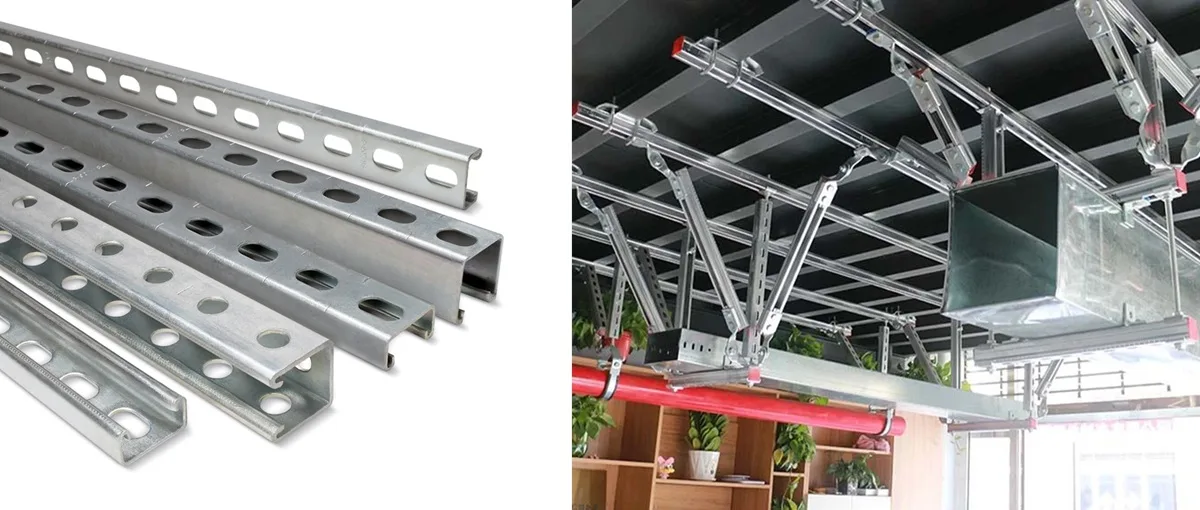
How to Choose the Right Strut Channel for Electrical Installations
The choice of strut channel is an important decision in any electrical installation. Whether it’s a business building, factory or any other commercial facility you can work on industrial projects with treated strut channel that acts as the structural base to hold conduits (like this catalogue), cable tray, and electrical equipment. Selecting the wrong type will create safety hazards, require higher levels of maintenance and bring compliance consequences. Based on my own industry-level experience, this guide is a resource for selecting the most suitable strut channel and fittings for electrical installations in your local area.
Understanding What a Strut Channel Is and Why It Matters
A Strut channel is a kind of metal framing used to provide defense to cables and raceways. It is often made of steel, stainless steel or aluminium and has a U-shaped or C-shaped cross-section with ends that curve inward and also have lips. Such channels permit facile conduit, junction box, and light fixture && attached to the channel.
Strut Channel is used to mount, brace, support for the application of conduit, tubing or other type of piping that you need secured. They also can eliminate the necessity of welding or drilling, which means installations are faster and more flexible. When you specify a load-bearing capacity, your strut channels offer features to help meet electrical codes and safety regulations, and remain durable in harsh environments.
Types of Strut Channel Used in Electrical Installations
This is Not to say that all strut channels are equal and you want to be aware of what options are available before making a decision. Heavy duty strut channels resist up to 5370 lbs., making it ideal for construction and architectural applications where there is no access to the other side of the surface. Slotted Strut Channels/Easy-To-Adjust The patented slotted strut channels with Click & Lock clamps faster and easier installation in all commercial applications.
Material choice is equally important. It is popular to use for galvanized steel in any form that will be bent into shape, such as buckets or tubs, and it is less expensive than stainless. Stainless steel strut channel is great for outdoor environments, manufacturing facilities, and marine conditions. Aluminum strut channel is great for light weight construction and provides corrosion resistance in damp environments such as overhead electrical supports.
Load Capacity and Structural Requirements
When choosing a strut channel, load capacity is one of the primary considerations. Electrical systems are also usually a minimum of two conduits, cable tray and panel, which add weight. Load capacity depends on the profile material, thickness and mechanical configuration of the strut channel.
And that you’ll bend or break over time (if you get the load wrong). When selecting between the strut channel or any of its supporting components, professional electricians and engineers take into consideration static and dynamic loads. This will prevent the system from being subjected to vibration, thermal growth and upgrades later in life. When selecting, make sure to factor in present and future electrical needs.
Environmental Conditions and Corrosion Resistance
A strut channel is very vulnerable to environment effects. Dry indoor electrical installations can use pre galvanized strut channels. But outdoor or wet environments need better corrosion resistance.
Hot dip galvanized strut channel can provides greater protection against corrosion to extend the service life in marine environment. For applications in which the strut channel will be exposed to chemicals, moisture or salt water, you are best served by stainless steel. Specifying the right strut channel material for your environment helps to avoid corrosion, degradation and costly replacements later.
Compliance with Electrical Codes and Safety Standards
Electrical installations shall conform with local and international codes, for example NEC or IEC. The strut channel chosen must be intended for electrical use and accept listed fittings and fasteners. In the process for approval, inspectors are looking for fire resistance, grounding capability and load ratings.
Safety certified strut channel systems provide a safer environment and a more efficient inspection. In our experience, those that prioritise compliance from the outset have fewer surprises or headaches further down the track. Always check strut channel is to the relevant electrical and building regulations.
Installation Flexibility and Long-Term Maintenance
Strut channel systems are easily adjustable and reconfigurable by nature. If you have any changes to make at a later date, strut channels can be easily modified with modular wide accessories cut to the length required. Slotted strut channels are particularly useful when flexibility is needed.
Maintenance is another consideration. With high quality strut channel products, less inspections and maintenance is required. Use of robust finish and appropriate accessories will help to ensure that the electrical installation is reliable even in service.
Frequently Asked Questions (People Also Ask)
What is a strut channel used for in electrical work?
A strut channel is used to support electrical conduits, cable trays, junction boxes, and equipment, providing a secure and adjustable mounting framework.
Which strut channel is best for electrical installations?
The best strut channel depends on load requirements and environment, but galvanized steel is commonly used for most standard electrical installations.
Is strut channel suitable for outdoor electrical installations?
Yes, strut channel is suitable for outdoor use when hot-dip galvanized or stainless steel options are selected for corrosion resistance.
What size strut channel should I use for conduits?
The size of the strut channel depends on the number, size, and weight of conduits, as well as the required load capacity of the installation.