How to Choose Yarn for Every Craft Project: Fibres, Weights and Uses
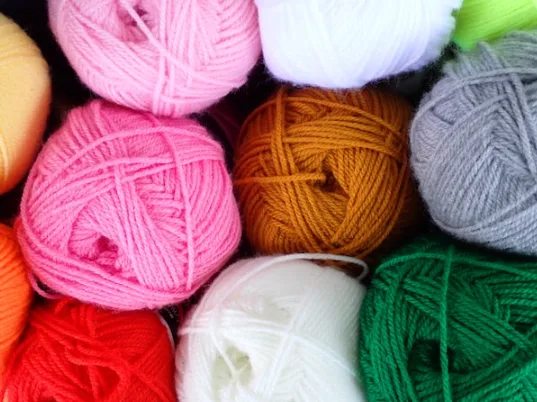
Most yarn disappointments start in the shop, not on the needles or hook. A jumper grows after washing, a dishcloth stays damp, or a scarf pills after two wears because the fibre or weight was wrong for the job. Choosing yarn gets easier once you understand how fibres behave, what weight categories mean, and why a small swatch can answer questions a ball band cannot.
The quick version
- Hats and mitts: Choose elastic wool or a wool blend, usually Category 3 or 4, so ribbing springs back.
- Baby blankets and gifts: Look for soft acrylic, cotton, or easy-care blends in Category 3 to 5, with clear washing instructions.
- Washcloths and market bags: Use cotton or linen in Category 2 to 4 for absorbency and structure.
- Lace shawls: Try fine wool or a wool-silk blend in Category 0 to 2. Blocking will help open the stitches.
- Chunky throws: Use Category 6 yarn, preferably with a plied construction if durability matters.
Fibre 101: what each fibre does
Wool is a good starting point for items that need warmth, stretch, and recovery. Merino is soft enough for many next-to-skin garments, while other wool types may feel firmer or more durable. If easy care matters, consider superwash wool, but always check the label before machine washing it.
Cotton, linen, and hemp are cool, smooth, and less elastic than wool. They tend to hold their shape instead of springing back, and they can feel heavier at the same gauge. These fibres work well for homewares, market bags, and summer clothing, although a heavy cotton garment may stretch under its own weight.
Acrylic, nylon, and polyester are generally durable and easy to wash, making them practical for blankets and frequently used gifts. Keep them away from high heat, which can damage synthetic fibres. Softer, loosely spun varieties may pill. In blends, nylon is often added to sock yarn to improve resistance to wear.
Silk adds sheen and drape, while alpaca provides warmth with less elasticity than wool. Mohair creates a soft halo. Fuzzy yarns can hide cables and other detailed stitch patterns, so they often work best in simpler designs.
Yarn weights decoded
The Craft Yarn Council system sorts yarn into categories from 0 (lace) to 7 (jumbo). Each category includes typical knitting and crochet gauge ranges, along with suggested needle and hook sizes. Category 4, which commonly includes worsted and some Aran yarns, typically produces 16 to 20 knitted stitches per 4 inches.
Use these figures as guidance rather than fixed rules. The gauge stated in your pattern takes priority, and your own tension determines the tool size you need. In general, Category 3 works well for lightweight sweaters, Category 4 suits hats and blankets, and Category 6 creates thick scarves and quick-to-make throws.
Construction and finish
Two yarns in the same weight category can behave very differently. Plied yarns are made from several strands twisted together. They usually provide clear stitch definition and good durability, which makes them useful for cables and textured patterns. Single-ply yarns can feel soft and slightly rustic, but loosely spun versions may fuzz or pill sooner.
How to read the label
A ball band usually lists fibre percentages, yarn weight, metres or yards, total weight, suggested gauge, recommended tool sizes, care symbols, and a dye lot number. Matching dye lots helps keep colour consistent across a project. Metres per 100 grams is especially useful when comparing substitutions because it gives a rough indication of the yarn’s density.
Australian and New Zealand yarns are often described as 4 ply, 8 ply, or 12 ply. Although “ply” originally referred to the number of strands twisted together, it is now also used as a general thickness label. The meaning can vary between manufacturers. When comparing yarn through an Australian seller such as CraftOnline, check the stated gauge and metres per 100 grams rather than relying on the ply description alone. For Australian shoppers comparing fibres and weights, browse yarns for every craft project through CraftOnline before choosing a substitute.
Swatch and substitute in four steps
- Start by matching the pattern’s yarn weight and gauge range.
- Compare metres per 100 grams to find a yarn with a similar density.
- Consider the fibre and construction. Cotton at the same gauge will weigh and drape differently from wool.
- Knit or crochet a 5- to 6-inch square in the pattern stitch. Wash and block it as you plan to treat the finished item, then measure the centre and adjust your tool size if necessary.
Skipping the swatch can leave garments the wrong size or create fabric that is too stiff or loose. Whether you’re knitting garments or exploring fiber arts, understanding yarn weight, fibre choice, and gauge is the foundation of successful projects before you browse yarns for every craft project. Also check whether the stitch pattern suits the yarn. Smooth, plied yarn usually shows cables and detailed texture more clearly, while a soft halo can complement simple stitches.
Where to buy and compare yarn
Local yarn shops let you feel a skein and inspect its colour in daylight, which is useful when softness and drape are important. Online listings should clearly state fibre content, weight, metres per 100 grams, gauge, care instructions, and available dye lots. For Australian shoppers comparing fibres and weights, CraftOnline offers yarn across common materials and textures with product details that can help narrow the options. Wherever you shop, consider buying one spare ball from the same dye lot for larger projects.
Bringing it together
Choose the fibre according to how the finished item will be worn, used, and washed. Match the yarn weight to the pattern, then make a swatch to confirm gauge and fabric quality. Whether you shop locally or compare options in the CraftOnline range, following that order will help you create pieces with the intended size, weight, and feel.
FAQ
These common questions cover several yarn terms that can cause confusion when choosing or substituting materials.
Can I swap DK for worsted?
Sometimes, but not automatically. Worsted yarn in Category 4 is generally thicker than DK in Category 3, so using it may create denser fabric or a larger garment. Compare metres per 100 grams, make a swatch, and match the pattern’s gauge before committing.