
How to Clean an Acrylic Freestanding Bathtub Properly?

Understanding an Acrylic Freestanding Bathtub
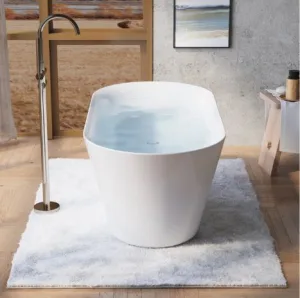
An acrylic freestanding bathtub has emerged as a popular choice in modern bathrooms because of its clean look, easy installation, and practical benefits. Its lightweight construction makes installation much easier than with heavier materials, while its excellent heat retention keeps bathwater warm for longer. Since acrylic is a non-porous fabric, it truly resists mildew, making it an extra hygienic alternative for everyday use. However, one of the blessings of an acrylic freestanding bath is proper care and everyday cleansing to preserve its shine, save you from ground damage, and ensure long-lasting performance over the years.
What Makes Acrylic Unique
Acrylic is a strengthened plastic cloth molded into fashionable shapes and finished with a clean, smooth ground. While this outer layer is long-lasting and visually appealing, it can scratch if uncovered to harsh systems or cleaners. Therefore, to keep the sheen and preserve an acrylic freestanding bath looking modern, mild, and well-informed, cleansing strategies are crucial.
The Importance of Proper Cleaning
To maintain an acrylic bath’s color, prevent discoloration, and keep its desired shape, proper, not excessive, cleansing is essential. The ground may also become slick over time because of mineral deposits, frame oils, and cleansing soap residue. Following a gentle, thorough cleansing, ordinary lets in avoid harm, reduces protection costs, and maintains the bath’s hygiene.
Typical Errors People Make When Cleaning
Many homeowners accidentally damage their acrylic freestanding bath due to outdated or incorrect advice.
Using Harsh Chemicals
Harsh chemical compounds, when used in conjunction with bleach, ammonia, and acetone-based cleaners, can significantly weaken an acrylic surface. Although they appear effective at removing stains, repeated use over time damages the protective coating. Over time, these effects result in discoloration, dullness, and a shorter lifespan for the acrylic tub.
Abrasive Tools and Their Impact
Using abrasive gear like metallic wool, stiff brushes, or gritty powders can create tiny scratches on an acrylic bathtub floor. These micro-scratches trap dirt and cleansing soap residue, making post-cleansing more difficult. Over time, they may damage the bathtub’s smooth edges and diminish its polished appearance.
Tools and Supplies You’ll Need
Cleaning an acrylic freestanding bathtub doesn’t require a fancy device—simply the right ones.
Safe Cleaning Agents
. Mild dish-cleansing cleaning soap
. Use baking soda and diluted white vinegar sparingly
. Acrylic-safe commercial cleaners
According to many manufacturers, gentle cleaners maintain surface integrity.
Suggested Cleaning Supplies
. The microfibre cloths
. Soft sponges
. Spray bottle
. Warm water
These tools clean effectively without scratching.
Step-by-Step Daily Cleaning Process
Daily protection prevents buildup from forming and makes deep cleaning easier later.
Quick Rinse Routine
After every use, rinse your acrylic freestanding bathtub with warm water. This simple step allows you to dispose of soap residue, body oils, and other impurities before they dry and get caught on the floor. Regular rinsing prevents buildup, keeps the bath purifier for longer, and reduces the need for common deep cleaning, maintaining its shine.
Gentle Wipe-Down Method
Use a slight cleansing soap and a microfiber cloth. Rinse thoroughly after use with round motions to wipe. Drying the ground before the tub makes it easier to clean and prevents water stains.
Thoroughly Cleaning a Freestanding Acrylic Bathtub
Periodic deep cleaning is crucial, regardless of regular protection.
Eliminating Soap Scum
Mix warm water with some drops of dishwashing soap. Use a soft sponge and let it sit for 10 mins. Gently wipe and rinse. This method is secure and powerful for a freestanding acrylic bath.
Tackling Hard Water Stains
Diluted white vinegar works nicely. Spray gently, let it sit for a brief time, then wipe. Don’t allow vinegar sit for too long, as prolonged exposure isn’t perfect for acrylic surfaces.
Natural vs Commercial Cleaners
Both options can work when used effectively.
Pros and Cons Comparison
Type Pros Cons
Natural Eco-friendly, inexpensive Requires more effort
Commercial Convenient, fast-acting Must be acrylic-safe
Whichever you choose, always read labels carefully to ensure compatibility with an acrylic freestanding bathtub.
Tips for Preventive Maintenance
Prevention saves time and preserves splendor.
Weekly and Monthly Care Schedule
Weekly: Mild cleaning soap wash and dry
Monthly: Deeply clean and look for scratches
Using bath mats and avoiding heavy gadgets in the tub also increases lifespan.
Conclusion
Cleaning an acrylic freestanding bathtub properly isn’t hard, but it does require the proper method and ordinary care. By choosing moderate, acrylic-solid cleaners, avoiding abrasive structures, and sticking to an everyday cleansing routine, you may keep the bath’s easy floor and long-lasting shine. Regular care helps prevent soap scum, water stains, and dullness before they become stubborn problems. Over time, these small efforts help prevent the onset and duration of your bath. With steady, gentle protection, your acrylic freestanding bath will maintain an elegant appearance, enjoy hygienic conditions, and provide a chilled, spa-like experience for decades to come.
FAQ’s
How regularly do I want to clean an acrylic freestanding bath?
Light cleaning after each use helps prevent the buildup of cleaning soap residue and moisture. A deeper smooth, as soon as every week, helps prevent buildup and keeps the surface looking fresh.
Can I use vinegar frequently?
Yes, vinegar may be used occasionally, diluted with water. However, it shouldn’t be used too regularly, as repeated publicity may additionally dull the acrylic’s gloss.
Is baking soda safe for acrylic tubs?
Baking soda is safe when used lightly. Avoid aggressive scrubbing, as its gritty texture can cause fine scratches.
What must I not use on acrylic?
Stay away from bleach, acetone, metallic wool, and abrasive powders, as those can damage the floor.
How do I repair the shine to my tub?
Dry the bath after cleansing and use an acrylic polish sometimes.
Are business cleaners higher than natural ones?
Not always. Both work well if they’re acrylic-safe and used efficaciously.