
How to Clean Your Samsung Phone Case for Long-Lasting Use
Picture this: you pull out your phone to take a quick photo, and instead of a sleek, protective case, you’re holding something that looks like it survived a mud run. Smudges, grime lodged in the corners, and a faint smell that wasn’t there when you first bought it. Sound familiar? A dirty phone case isn’t just an eyesore — it’s a sign that your phone’s first line of defense is being compromised.
For Samsung users, especially those rocking a Samsung Galaxy S26 Plus Case, keeping that case clean is about more than appearances. These cases are engineered with precision — shock-absorbing materials, raised edges, and flexible TPU construction — all designed to protect your investment. But here’s the problem most people don’t realize: improper cleaning can degrade those very features, leaving your phone more vulnerable than if you hadn’t cleaned the case at all.
This article is here to fix that. Whether you’re a first-time case owner or someone who’s been wiping their case down with whatever’s nearby, you’ll walk away with simple, effective methods tailored to your case’s specific materials. No complicated tools, no guesswork — just practical steps that keep your Samsung phone case looking great and performing at its best for the long haul.
Why Cleaning Your Samsung Phone Case Matters
Most people treat their phone case like a set-it-and-forget-it accessory. You snap it on, maybe wipe it on your jeans occasionally, and move on. But over time, that case collects far more than you’d expect — skin oils, food residue, dust, and bacteria that multiply in the grooves and corners you never think to clean. What starts as a cosmetic issue quickly becomes a functional one, and understanding why matters if you want your case to actually do its job.
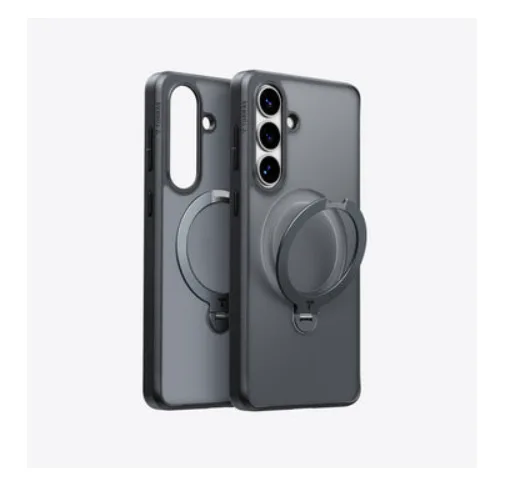
A clean case grips better. When oils and grime coat the surface, that tactile texture engineered into your case loses its effectiveness. You’re more likely to fumble your phone, which defeats the entire purpose of having a protective case in the first place. Beyond grip, accumulated debris works its way into the tight spaces between the case and your phone’s body. Over time, this abrasive buildup can scratch the device’s finish and even interfere with buttons and ports, causing wear that’s entirely preventable.
There’s also the hygiene angle that often gets overlooked. Studies have shown that phones carry more bacteria than a toilet seat, and your case is along for that ride. If you’re touching your face during calls or handing your phone to others, a dirty case becomes a genuine health concern — not just an embarrassing one.
The Hidden Dangers of a Dirty Phone Case
Grime doesn’t just sit on the surface — it actively degrades your case from the inside out. For cases built with shock-absorbing materials, dirt and moisture can infiltrate the micro-layers designed to cushion impact. Once those layers are compromised, a drop that your case would have handled easily becomes a cracked screen situation. The discoloration you notice on older cases isn’t purely cosmetic either; it’s often a sign that the material has been chemically altered by prolonged exposure to oils, sunscreen, or cleaning products used incorrectly. Yellowing TPU, for example, indicates UV and chemical degradation — and a degraded material is a weaker one. Regular, proper cleaning isn’t just about looking good. It’s about maintaining the structural integrity that keeps your phone safe every single day.
Understanding Your Samsung Phone Case Materials for Effective Cleaning
Before you run your case under the tap or reach for a cleaning wipe, there’s one thing worth knowing: not all Samsung phone cases respond the same way to cleaning. The material your case is made from determines everything — what products are safe to use, how much moisture it can handle, and which areas need the most attention. Getting this wrong doesn’t just leave your case looking worse; it can quietly strip away the very protection you’re relying on.
Most modern Samsung cases, including those designed for the Galaxy S26 Plus, combine multiple materials to balance flexibility, grip, and impact resistance. The outer shell might feel rigid while the inner layer flexes — that’s intentional engineering, not inconsistency. Brands like TORRAS, known for their precision-engineered phone cases, often layer these materials specifically to maximize both durability and cleanability. Understanding what you’re working with helps you clean smarter, not harder.
One design detail that often gets ignored during cleaning is the raised edges. Those slightly elevated lips around the screen and camera cutout aren’t just aesthetic — they’re a critical buffer zone that keeps your display and lens off flat surfaces. Dirt and lint have a habit of collecting right in those raised channels, and if you skip cleaning them, you’re leaving the most structurally important parts of your case compromised. A soft-bristled toothbrush works well here, reaching into those grooves without applying pressure that could warp or weaken the edge geometry.
TPU Case Characteristics and Care
Thermoplastic polyurethane, better known as TPU, is the backbone of most flexible phone cases. It’s chosen for good reason — TPU is lightweight, naturally grippy, resistant to moderate impacts, and returns to its original shape after bending. What it doesn’t handle well is prolonged exposure to harsh chemicals. Alcohol-based cleaners, bleach, and acetone break down TPU at a molecular level, causing it to become brittle, discolored, or tacky over time. That yellowish tint you see on older clear cases? That’s UV and chemical degradation doing its work. Mild dish soap diluted in warm water is the safest and most effective cleaning solution for TPU, cutting through oils and residue without attacking the material itself.
How Shock-Absorbing Materials Work and Why Cleaning Matters
The shock-absorbing layers built into premium Samsung cases typically work through one of two mechanisms: air pockets distributed across the case’s interior, or gel-like polymer layers that compress and disperse impact energy on contact. Both systems rely on structural integrity to function — meaning they only work as designed when the material remains clean and uncompromised. When dirt, moisture, and debris infiltrate these micro-structures, they fill the spaces meant to absorb force. The result is a case that looks protective but performs like a basic shell. Regular cleaning keeps these layers clear and functional, so when your phone does take a hit, the engineering actually delivers on its promise.
Step-by-Step Guide to Cleaning Your Samsung Phone Case
Knowing why your case needs cleaning and what it’s made of is half the battle. The other half is doing it correctly. The good news is that cleaning your Samsung phone case doesn’t require special equipment or a lot of time — just the right approach for your specific case material. Follow these steps and you’ll have a clean, fully functional case without risking any damage to its protective features.
Preparation: Tools and Safe Removal
Everything you need is probably already in your home. Gather a small bowl of warm water, a few drops of mild dish soap, a soft microfiber cloth, and a soft-bristled toothbrush reserved for cleaning. Avoid paper towels, rough sponges, or stiff brushes — these scratch TPU surfaces and can work debris deeper into textured areas rather than lifting it out. Before you start cleaning, power off your phone. Then remove the case by starting at one corner, gently flexing the TPU outward and working your way around the edges. Never yank the case off from the center — that puts unnecessary stress on the material and can distort the fit over time.
Cleaning Process for Different Materials
For TPU cases, mix a small amount of mild dish soap into warm water until slightly sudsy. Dip your microfiber cloth into the solution, wring it out so it’s damp rather than dripping, and wipe down the entire exterior surface using circular motions. For stubborn grime in textured areas or corners, dip the soft toothbrush into the soapy water and scrub gently — let the bristles do the work rather than applying heavy pressure. Rinse the cloth with clean water and wipe the case again to remove any soap residue, then repeat with the toothbrush along the raised edges around the screen and camera cutout. These channels collect lint and oils consistently, and skipping them leaves the most critical protective zones compromised. For cases with shock-absorbing layers, avoid submerging the case entirely. The air pockets and polymer structures within those layers can trap moisture if saturated, which leads to the kind of internal degradation that isn’t visible until the case fails during a drop. A damp cloth and targeted toothbrush work is sufficient and safe.
Drying and Reassembly Best Practices
Once cleaned, shake off any excess water and lay the case flat on a dry microfiber cloth in a well-ventilated area. Let it air-dry completely — this typically takes one to two hours depending on humidity. Don’t try to speed things up with a hairdryer, direct sunlight, or placing the case near a heat source. Heat accelerates TPU degradation and can warp the case’s shape, which compromises how securely it fits your phone. Before reattaching, run your finger along the interior to confirm it’s fully dry, paying extra attention to the corners and raised edge channels where moisture lingers longest. Once dry, align the case with your phone’s camera cutout first, then press gently around the edges until it clicks evenly into place on all sides.
Maintenance Tips for Long-Lasting Samsung Phone Case Use
Cleaning your case once and calling it done won’t cut it. Long-term protection comes from consistent habits — small, regular actions that prevent the kind of buildup that degrades materials and compromises performance over time. The good news is that once you’ve done a thorough clean, maintaining that standard takes far less effort than getting there in the first place.
How Often Should You Clean Your Case?
For most people, a light wipe-down once a week is enough to stay ahead of oil and surface grime. A damp microfiber cloth takes less than two minutes and prevents residue from bonding to the TPU surface. A more thorough clean — soap, toothbrush, full rinse — should happen once or twice a month under normal conditions. If you work outdoors, exercise with your phone, or spend time in dusty or humid environments, bump that up to weekly deep cleans. The same goes if you regularly apply sunscreen or lotions, since those products accelerate TPU yellowing faster than almost anything else. Adjust your schedule to your lifestyle rather than following a rigid calendar, and your case materials will stay in better shape for longer.
Avoiding Damage: What Not to Do
The mistakes people make when cleaning their cases are often worse than not cleaning at all. Alcohol-based wipes, bleach solutions, and acetone-containing products are the most common offenders — they strip the flexibility out of TPU, leaving it brittle and prone to cracking at pressure points. Abrasive scrubbers and stiff brushes scratch the surface texture that gives your case its grip, turning a premium feel into something slippery and worn. Avoid soaking your case entirely, even if it feels durable. Submerging cases with shock-absorbing air pockets traps moisture inside structures that aren’t designed to dry from the inside out. Keep cleaning targeted and controlled — damp cloth, soft bristles, mild soap. That combination handles virtually every cleaning scenario without putting your case’s protective engineering at risk.
Keep Your Case Clean, Keep Your Phone Protected
Your Samsung phone case works hard every day — absorbing impacts, collecting everything your hands touch, and shielding a device that costs hundreds of dollars. Giving it a few minutes of proper care each week is a small investment that pays off in a big way. The steps covered here aren’t complicated, but they do make a real difference in how long your case lasts and how well it performs when it matters most.
The key takeaways are straightforward: understand what your case is made of before you clean it, use mild soap and soft tools rather than harsh chemicals or abrasive materials, and let it dry completely before putting it back on your phone. For Samsung Galaxy S26 Plus Case owners specifically, protecting those TPU layers and shock-absorbing structures through regular, gentle cleaning means the engineering built into your case actually delivers on its promise — drop after drop, day after day.
Start with a quick wipe-down this week, schedule a deeper clean for the end of the month, and adjust from there based on your lifestyle. These small, consistent habits are what separate a case that lasts a year from one that lasts the life of your phone. Your case was designed to protect your investment — take care of it, and it will keep doing exactly that.