How to Decide if Fillers Fit Your Wellness Goals
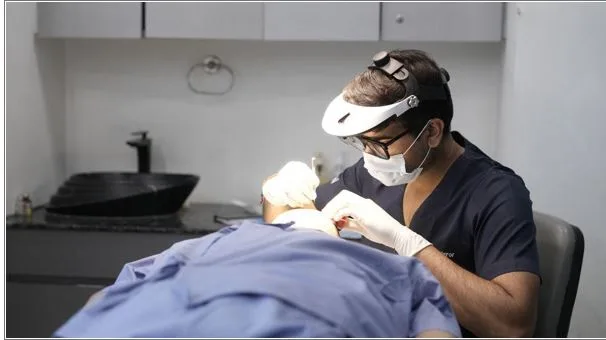
When most people think about wellness, they think about staying active, eating well, getting enough sleep, and keeping up with healthy habits that support life in Alaska. But wellness isn’t only about physical health—it can also include feeling confident and comfortable in your appearance. That’s one reason cosmetic treatments have become increasingly popular among Wasilla residents who want subtle, natural-looking enhancements rather than dramatic changes.
If you’ve been considering dermal fillers, you’re not alone. Whether you’re looking to restore volume lost over time, soften lines that make you look tired, or simply refresh your appearance before a special event, fillers can be one option to explore. Understanding what fillers can and can’t do is an important first step in deciding whether they align with your personal wellness goals and lifestyle.
Why People Consider Fillers
People usually don’t look into fillers because they want to become a totally different person. Most of the time, you just want to look a little more rested, balanced, or like yourself on a good day. That’s why interest in dermal fillers in Wasilla often comes from simple goals like softening smile lines, adding cheek volume, or smoothing areas that make you look tired.
This choice can be tied to confidence, but it can also connect to how you feel during everyday life. Maybe your face looks worn out even when you slept well. Maybe weight loss changed your facial volume. Maybe you just want a subtle refresh before a wedding, reunion, or career move.
That doesn’t make the decision shallow. Health includes mental and emotional comfort too. If a small treatment helps you feel more comfortable in your own skin, that can be a valid reason. The trick is making sure your motivation comes from you, not pressure from trends, filters, or someone else’s opinion.
Know What Fillers Do
Dermal fillers are gel-like products placed under the skin to restore volume, shape features, or soften certain lines. In plain English, they act like a little support cushion where your face has lost fullness over time. Faces naturally change with age, stress, sun exposure, and weight shifts. Fillers can help with some of that.
They’re often used around the cheeks, lips, jawline, and folds near the nose and mouth. Some are made with hyaluronic acid, which is a substance your body already has. That’s one reason many people see them as a practical option for subtle improvements.
Still, fillers are not the solution for every concern. They won’t fix skin texture, large pores, or heavy sagging on their own. They also won’t change your basic bone structure unless the treatment plan is designed for contouring.
A good way to think about fillers is this: they can refresh and restore, but they don’t replace healthy skin habits, and they shouldn’t turn your face into a science project.
Questions to Ask First
Before you book anything, ask yourself what you actually want to change. “I want to look better” is too fuzzy. A clearer goal sounds more like, “I want my under-eye area to look less tired,” or “I want a little more lip shape without going overboard.” Specific goals lead to better conversations and more realistic results.
You should also think about your budget. Fillers are not usually a one-time forever purchase. Results fade over time, so maintenance may be part of the picture. If that feels stressful now, it’s smart to pause.
Next, consider timing. If you have a big event soon, remember that swelling or bruising can happen. Your calendar matters more than people expect.
Health history matters too. If you’re pregnant, breastfeeding, dealing with an active skin infection, or managing certain medical conditions, you may need to wait or get clearance first.
And yes, be honest about needles. You don’t have to love them. You just need to know your comfort level so you can prepare instead of showing up brave on the outside and jelly on the inside.
Choosing a Safe Provider
This part matters more than the price tag. A skilled, licensed provider should understand facial anatomy, product choice, dosing, symmetry, and safety. That’s a lot more important than a flashy social media page with ring lights and catchy captions.
Look for a clean medical setting, a thorough consultation, and someone who asks about your goals and health history before talking numbers. A solid provider should explain what they recommend, what they don’t recommend, and why. If they suggest less than you expected, that can actually be a very good sign.
You should also feel comfortable asking basic questions. Who performs the injections? What product is being used? What side effects are common? What happens if you don’t like the result?
Red flags are usually easy to spot when you slow down. Watch out for extreme discounts, pressure to book on the spot, vague answers, or promises that sound too perfect. Your face is not the place for mystery bargains. Good care should feel informed, respectful, and calm.
What Treatment Feels Like
A typical appointment usually starts with photos, discussion, and a review of your goals. The provider may mark areas of the face and explain where filler will go. This should feel like a conversation, not a speed round.
The injections themselves are usually quick. Some fillers contain numbing ingredients, and providers may use ice or topical numbing cream to make things easier. You might feel pressure, pinching, or small stings, but many people say it’s manageable. Not exactly a spa nap, but also not a dragon battle.
Right after treatment, you may see immediate changes, though swelling can blur the final result at first. That’s normal. Your provider should go over aftercare before you leave.
You may be told to avoid intense exercise, heavy alcohol use, or too much touching of the area for a short time. Following those instructions is part of staying safe and getting the best result. Tiny decisions after treatment can make a bigger difference than people think.
Recovery and Daily Life
Recovery is usually simple, but that doesn’t mean nothing happens. Mild swelling, tenderness, and redness are common for a few days. Some people bounce back fast. Others need a little more time, especially if they bruise easily.
If you have work, photos, or a social event, give yourself breathing room. It’s better to have filler settle naturally. A calm recovery window makes the whole experience less stressful.
Results depend on the product used, the area treated, and how your body processes filler. Some results may last several months, while others can last longer. Your provider should help you understand what to expect for your specific plan.
Daily life usually returns to normal quickly. You can often go back to regular activities with a few short-term precautions. Drinking water, avoiding unnecessary pressure on treated areas, and following aftercare instructions can help keep healing smooth and uneventful.
When Fillers May Wait
Sometimes the healthiest choice is not “yes,” but “not right now.” If your expectations are unrealistic, or if you’re hoping fillers will fix deeper self-esteem struggles, waiting may be the better move. Cosmetic treatments can enhance features, but they can’t carry the whole weight of emotional well-being.
A thoughtful decision is usually the best one. If fillers fit your goals, budget, and health situation, great. If not, that’s fine too. Wellness is not about chasing perfection. It’s about making choices that help you feel healthy, informed, and comfortable in your own skin.