How to Design Custom Baseball Fan Shirts for Game Day Groups
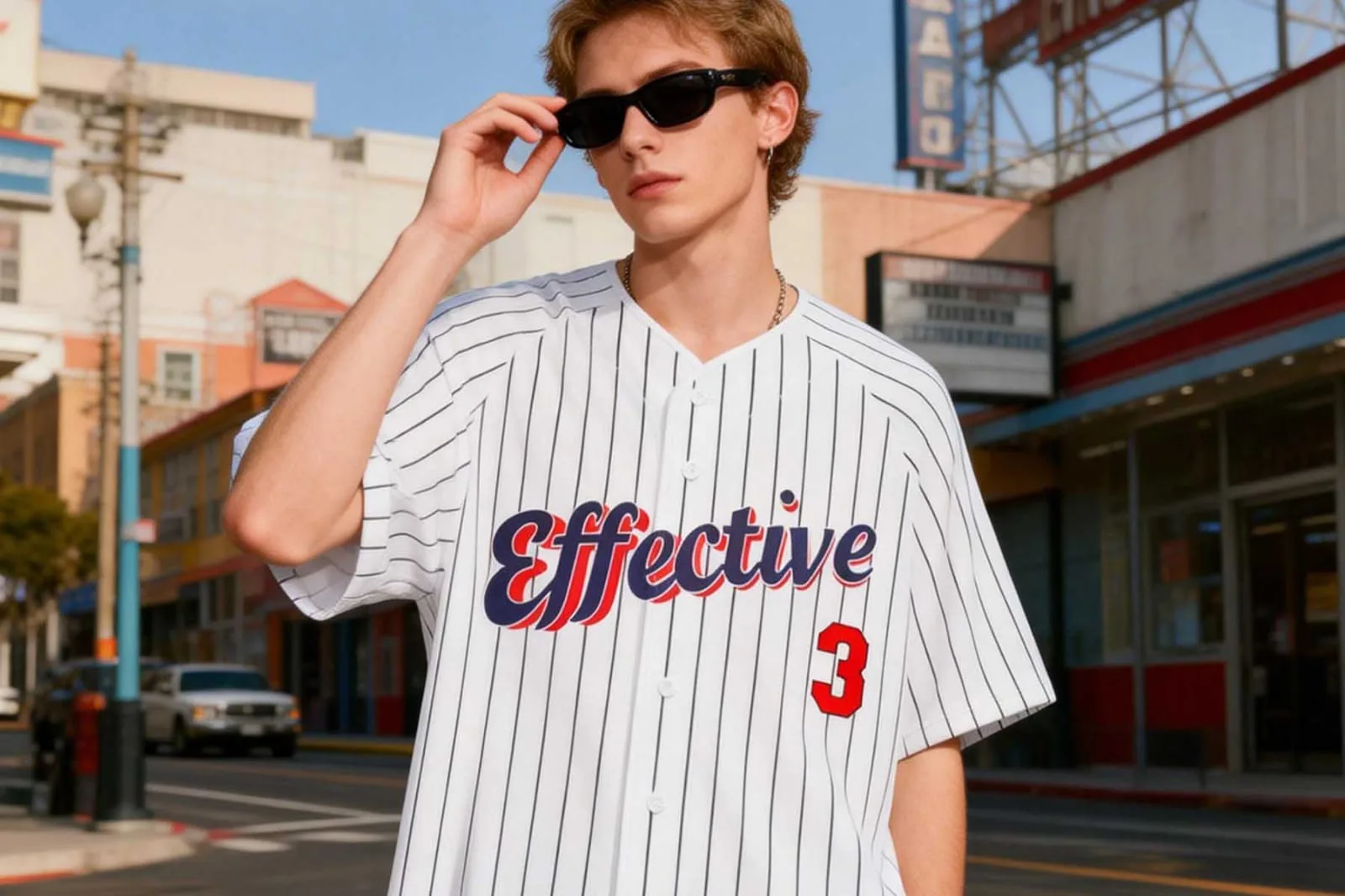
Twelve friends in matching shirts walking through a stadium parking lot turn heads. They become a unit. A crew with identity. Strangers ask where they got them. That moment — when your group becomes the group — starts months earlier with a design decision most people rush.
Custom baseball fan shirts for game day crews work as tribal markers. They signal belonging, humor, inside jokes, and shared loyalty in a single garment that strangers read from thirty feet away. Get the design right and your group wears them for years. A bad design stays folded in a drawer after one outing and never sees the stadium again.
The gap between those outcomes comes down to fabric choice, graphic execution, personalization discipline, and production timing — four areas most groups blow past in their excitement to finalize artwork.
Start With Your Group’s Identity, Not a Template
Every strong game day shirt begins with a question. Who are we as a group? Not what team do we root for. That’s obvious. The real question digs deeper into personality and shared history.
Some groups run loud and irreverent. Others lean into vintage aesthetics or subtle nods only true fans catch. A crew of college buddies who’ve watched together since freshman year carries one energy. A family section with three generations in the stands carries another entirely.
Maybe your thing is ironic stats nobody else remembers. Maybe it’s a running gag from years of watching together. Whatever that shared language is, it becomes raw material for a design that actually resonates.
That identity drives every choice downstream. Color palette. Typography. Graphic density. Humor level. A shirt built from a generic template might look clean. But it won’t carry the energy that makes your group feel like your group.
Write down three words that describe your crew’s vibe before opening any design tool. Bold and loud? Retro and clean? Sarcastic and clever? Those three words become your filter for every decision that follows.
Choosing Design Elements That Actually Work on Fabric
A mockup on screen lies to you. That thin script font looks elegant on your laptop. On a cotton tee at fifty yards? Unreadable. Designing for apparel follows different rules than designing for screens or posters.
Keep these principles tight:
- Bold fonts read from a distance. Thin serifs vanish in a crowd.
- Two colors hit harder than five. Restraint wins at stadium scale.
- Placement matters. A chest graphic lands differently than an oversized back print.
- Inside jokes work best as small secondary details. Not the entire focal point.
- Negative space gives the eye rest. Busy designs fatigue fast.
Consider where these shirts live. Outdoors. Under stadium lights. Surrounded by thousands of competing colors and logos. Your design needs to cut through that noise without screaming.
Most groups cram too much onto one shirt. The year, the group name, every nickname, a graphic, and a slogan — all competing for the same chest space. Edit like you’d edit a tattoo. If an element doesn’t earn its spot, cut it.
Picking the Right Shirt Style and Fabric for Long Days
Game day is an endurance event. Parking lot at noon. First pitch at two. Ninth inning stretch at five. Post-game bar by seven. Your shirts need to survive all of it.
Most groups lock in fabric without thinking past the moment they place the order:
- Heavy 6-ounce cotton feels substantial but traps heat in July.
- Lightweight blends breathe better but can feel disposable after a few washes.
- Ring-spun cotton sits softer against skin than open-end alternatives. Costs a bit more. Worth it over a full day at the park.
- The sweet spot for most baseball season wear? Around 4.5 to 5.2 ounces in a cotton-poly blend.
Nobody wants fabric clinging to their back by the third inning. That comfort question deserves as much attention as the graphic on the front.
Fit options shape the overall look too. Classic unisex tees work for mixed groups wanting sizing simplicity. Retail-fit blanks run slimmer and feel more modern. Raglan sleeves nod to baseball heritage without being a full jersey. Tank tops suit hot-weather stadiums and tailgate settings.
Pick one style for the whole group. Mixed silhouettes weaken the visual impact. Twelve people in the same cut and color register as a squad. Twelve in random fits look like strangers who shop at the same store.
Color Strategy Beyond Your Team’s Palette
Your team’s colors feel like the obvious starting point. And they are — partially. But wearing the exact official palette puts you next to licensed merch. You won’t beat that on execution. You beat it on personality.
Consider going tonal. A darker shade of your team’s primary as the base. A brighter accent for text or graphic elements. This keeps you in the family without reading as a knockoff.
Or flip the hierarchy. Use the team’s secondary color as your dominant and their primary as an accent. It reads as intentional. Fashion-forward even. Most fan shirts default to the obvious colorway. Deviating signals taste.
Watch out for colors that look great on screen but shift on fabric. Neon hues often dull down. Dark blues and dark greens can appear identical once printed. Request a physical sample before committing your group’s full order. A color you’ve only seen digitally might surprise you in person.
Adding Personalization Without Creating Chaos
Names and numbers on the back feel like a natural move for group orders. They work — when handled with discipline. Done poorly, they turn a cohesive design into visual noise.
One person demanding Comic Sans while everyone else chose block lettering? That kills the look instantly. Set parameters early and lock them before anyone submits their details.
Rules to establish upfront:
- Same font for every name. No exceptions.
- Character limit on nicknames. Eight to ten max keeps alignment clean.
- Consistent number format. All single digits or all double. Pick one.
- Same color and size for every personalized element.
Think of a baseball roster. Every player has a unique name and number. Yet the uniform still looks cohesive because a design system holds it together. Your group shirts should work the same way.
Keep the front identical across all shirts. Personalization lives on the back or sleeve only. Your group photographs as one unit from the front. Individuals get their moment from behind.
Working With a Production Partner Who Gets Fan Culture
Not every print shop understands game day context. Some produce corporate polos and trade show giveaways all week. They’ll execute your file accurately. But they won’t flag the problems a fan group cares about. A design element that accidentally echoes a rival team’s branding? A color combination that reads as the wrong division opponent under stadium lights? A general shop won’t catch that.
Effective Sportswear handles custom baseball fan shirts for groups ranging from bachelor parties to full season-ticket sections. Their production team reviews artwork against sport-specific context — flagging color conflicts, recommending blank weights for your game-day climate, and adjusting print methods when a design element won’t reproduce cleanly at the size you’ve specified.
When vetting any production partner, ask these:
- Can they print a test sample before the full run?
- Do they guide blank selection for your specific use case?
- What’s turnaround on group orders with personalization?
- Will they flag potential issues before production begins?
A shop that asks questions back cares about your outcome. They’ll want your timeline, your event date, your group size. A shop that simply takes your file and invoices you is a vending machine with a website.
Timeline Planning So You’re Not Scrambling
Stadium gates open whether your shirts arrived or not. Back-timing from game day is non-negotiable. Miss that window and you’re wearing last year’s gear or nothing at all.
A realistic timeline:
- Four weeks out: Design finalized and approved by the group.
- Three weeks out: Order placed. Sample confirmed.
- Two weeks out: Production and personalization completed.
- One week out: Shirts delivered and distributed.
This assumes your production partner handles group orders regularly. Some shops quote fast turnaround. Confirm that timeline includes personalization — not just blank printing.
Padding exists for a reason. One member changes their nickname last minute. The color proof looks off. A shipping delay hits. Build slack into every phase. One hiccup shouldn’t mean showing up shirtless on game day.
Groups that start two months out have room to refine. Groups that start two weeks out take whatever’s available. The design process deserves breathing room. Give it that.