How to Detect Fake Coins and Banknotes: Simple Checks Anyone Can Do
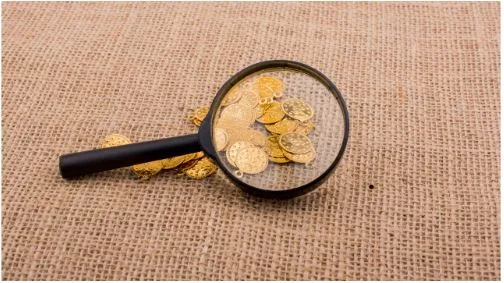
Detecting counterfeit currency is a skill that everyone should have, especially as fake coins and banknotes become more sophisticated. Fortunately, you don’t need to be an expert to spot a fake—just a little attention to detail and knowledge of what to look for.
Start by examining the feel of the money. Genuine banknotes are printed on special paper that feels different from regular paper. If you come across a bill that feels odd, it’s worth checking for other signs of counterfeit bills online. Real notes have raised printing and a crisp texture, while fakes often feel smooth or waxy.
Next, hold the banknote up to the light. Authentic currency features a watermark and a security thread embedded in the paper. These are difficult to replicate, so if you don’t see them, you might be dealing with a counterfeit currency. For coins, check the weight and sound—a real coin will have a distinct ring when dropped, while a fake may sound dull or feel lighter.
Another simple check is to tilt the note and look for color-shifting ink, especially on the denomination number. This feature is hard for counterfeiters to copy accurately. If you’re ever tempted to buy counterfeit money online, remember that genuine notes also have microprinting—tiny, sharp text that’s hard to reproduce. Blurry or smudged microprinting is a clear warning sign.
Finally, always compare any suspicious money to a note or coin you know is real. Subtle differences in size, color, or design can reveal a counterfeit currency. By staying alert and familiarizing yourself with these simple checks, you can confidently protect yourself from fake coins and banknotes.