How to Ensure Quality Assurance for Your Earring Trays
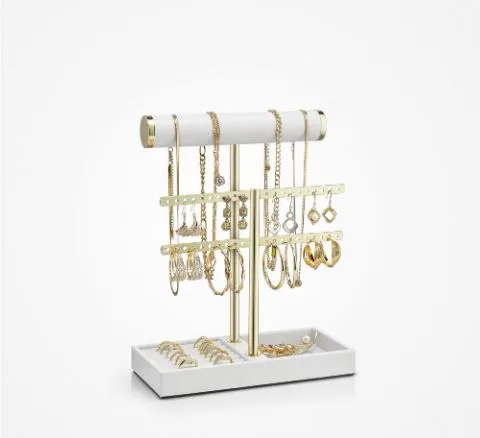
Few things are more frustrating than reaching for your favorite pair of earrings only to find them tangled, scratched, or missing a back because of a flimsy storage solution. A quality earring tray should protect your jewelry collection while keeping every piece visible and accessible—but not all trays deliver on that promise. The challenge for buyers lies in distinguishing genuinely well-made products from those that look appealing online but fall apart within weeks of use. Quality assurance isn’t just a manufacturing buzzword; it’s the difference between a tray that serves you for years and one that ends up in a donation bin. From the materials and construction methods used during production to how carefully the product is packaged and shipped to your door, every step in the process affects what you ultimately receive. This guide walks you through practical ways to evaluate product quality, understand manufacturing practices, navigate shipping times, and ultimately achieve the product satisfaction you deserve when investing in jewelry trays for earrings.
Understanding Quality Assurance for Jewelry Trays
Quality assurance for jewelry trays goes beyond simply checking whether a product looks nice in a photograph. In the context of earring trays specifically, it encompasses a systematic approach to ensuring that every aspect of the product—from raw material selection to final packaging—meets defined standards of excellence. Think of it as a chain of deliberate decisions that collectively determine whether your tray will cradle your earrings safely for years or begin deteriorating after a few months.
The key components of quality assurance for earring trays break down into four interconnected areas. First, materials must be chosen for both durability and gentleness—a tray needs structural integrity while also featuring soft interior surfaces that won’t scratch delicate metals or gemstones. Second, construction quality determines whether joints hold firm, whether compartment dividers stay in place, and whether the tray maintains its shape under the weight of a growing collection. Third, thoughtful design ensures that slot sizes accommodate various earring styles, from studs to chandeliers, without forcing pieces into spaces where they’ll bend or tangle. Fourth, the entire process circles back to customer satisfaction—manufacturers committed to quality assurance actively gather user feedback and refine their products accordingly.
When these four elements work in harmony, you end up with a product that doesn’t just store earrings but actively preserves them. Quality assurance transforms a simple organizational tool into a reliable investment, and understanding what it involves empowers you to make purchasing decisions with confidence rather than hope.
Why Quality Assurance Matters for Earring Organization
Low-quality trays create problems that extend well beyond simple inconvenience. Rough interior linings can scratch gold plating or tarnish sterling silver. Compartments that are too shallow allow earrings to shift and tangle during drawer movement, while flimsy dividers collapse under minimal pressure, turning organized sections into a jumbled mess. Worst of all, poorly constructed trays represent wasted money—replacing a cheap tray every few months quickly exceeds the cost of one well-made option. Investing in a tray backed by genuine quality assurance means your earrings stay protected, your organization system remains intact, and your purchase delivers value that compounds over time rather than diminishing.
Evaluating Product Quality and Manufacturing Practices
When shopping for earring trays, understanding how to assess product quality and manufacturing practices gives you a significant advantage over buyers who rely solely on product photos. The evaluation process starts with materials—the foundation of any durable tray. Wood-based trays offer structural rigidity and a premium feel, but the type of wood matters enormously. Solid hardwoods resist warping over time, while cheaper particleboard can swell with humidity changes and eventually crack. Fabric-lined trays should feature tightly woven velvet or microfiber that won’t pill or shed fibers onto your jewelry. Acrylic options provide excellent visibility but vary widely in thickness; thin acrylic cracks easily, while thicker variants maintain clarity and strength through years of handling.
Beyond materials, examine how components are joined together. Quality manufacturing relies on precision cutting, consistent adhesive application, and reinforced corners where stress concentrates during daily use. Reputable brands implement multi-stage inspection processes, catching defects before products ever reach a shipping facility. They test for colorfastness in linings, structural integrity under load, and dimensional accuracy to ensure compartments match their advertised specifications. Industry standards like ISO quality management frameworks guide these processes, though not every manufacturer pursues formal certification. What separates conscientious producers from the rest is their willingness to reject imperfect units rather than shipping them and hoping customers won’t notice. When evaluating any earring tray, look for brands that openly discuss their manufacturing approach—transparency about production typically correlates with confidence in product quality.
Materials and Craftsmanship in Earring Trays
The most reliable earring trays combine a rigid outer shell with a soft, non-reactive interior. Look for exteriors made from solid wood, high-density fiberboard with quality laminate, or thick acrylic—each should feel substantial when lifted, not hollow or flimsy. Interior linings deserve equal scrutiny: genuine velvet or flocked surfaces grip earrings gently without abrading delicate finishes, while cheap felt alternatives often thin out quickly and lose their protective cushioning. When inspecting a tray, run your fingernail along interior seams to check for rough edges or gaps where adhesive has failed. Dividers should fit snugly without wobbling, and any hinges or clasps should operate smoothly without excessive force. Weight is often an underappreciated quality indicator—heavier trays generally use denser, more durable materials throughout their construction.
VLANDO’s Approach to Quality Assurance
VLANDO exemplifies how a jewelry storage brand can systematically embed quality assurance into every production phase. Their process begins with material sourcing partnerships that prioritize consistency, ensuring each batch of lining fabric and structural material meets predefined specifications before entering production. During manufacturing, VLANDO implements checkpoint inspections at critical stages—after cutting, after assembly, and after finishing—so defects are caught early rather than discovered by end users. They also conduct drop testing and compression testing on finished trays to simulate real-world shipping and storage conditions. Perhaps most notably, VLANDO actively integrates customer feedback into product iterations, treating reviews and support inquiries as data points that drive design improvements. This closed-loop approach means their trays evolve based on actual user experiences rather than assumptions, creating products that increasingly align with what buyers genuinely need from their earring organization solutions.
Managing Shipping Times and Logistics
Quality assurance doesn’t end when a product leaves the factory—it extends through every mile of transit until the tray arrives safely at your door. For buyers ordering earring trays online, shipping times represent both a practical concern and a quality indicator. A brand that invests in reliable logistics demonstrates the same attention to detail you’d expect in their manufacturing process. Understanding what affects delivery timelines helps you plan purchases accordingly, whether you’re buying for yourself or selecting a gift with a deadline.
Several factors influence how quickly your earring tray arrives. Geographic distance between the warehouse and your address creates the baseline timeline, but carrier selection, customs processing for international orders, and seasonal shipping volumes all layer additional variability on top. During peak retail periods like holidays, even domestic shipments can experience delays of several days beyond normal estimates. Order processing time—the gap between placing your order and the package actually entering the carrier network—varies significantly between sellers. Some brands ship within 24 hours, while others batch orders weekly. Beyond timing, how a product is packaged for transit directly impacts whether it arrives in the same condition it left the facility. Earring trays with delicate compartments or glass lids require cushioning materials, rigid outer boxes, and careful orientation labeling to prevent crushing or shifting during handling. Quality-focused brands treat packaging as the final checkpoint in their assurance process, recognizing that a perfectly manufactured tray means nothing if it reaches the customer cracked or dented.
How to Check and Estimate Shipping Times
Before placing an order, take a few minutes to research realistic delivery expectations. Start by checking the seller’s shipping policy page, which should outline processing times and available carrier options for your region. Most reputable retailers provide estimated delivery windows at checkout once you enter your zip code or postal code. If the information seems vague, contact customer service directly—responsive communication before purchase often predicts responsive support after purchase. Track your order actively once shipped; most carriers offer real-time GPS tracking and delivery notifications. Look for brands that provide tracking numbers promptly after dispatch and maintain transparent communication about expected delivery windows based on destination, giving buyers confidence rather than leaving them guessing about when their tray will arrive.
Ensuring Safe Delivery for Your Jewelry Trays
Protective packaging is the bridge between manufacturing quality and the product experience you have at home. Look for sellers who use custom-fitted inserts or molded pulp trays that prevent movement inside the shipping box. Double-walled corrugated cardboard offers superior crush resistance compared to thin single-wall alternatives. For higher-value trays, shipping insurance provides financial protection against loss or damage—a small additional cost that eliminates risk entirely. When your package arrives, inspect the outer box before opening; significant dents or punctures warrant photographing the damage immediately for potential claims. Open carefully and examine every compartment, hinge, and surface before discarding packaging materials. If anything appears damaged, quality-focused brands will have straightforward replacement processes already in place, reinforcing that their quality assurance commitment extends beyond production into every customer touchpoint.
Steps to Ensure Product Satisfaction with Your Purchase
Achieving genuine product satisfaction with an earring tray purchase requires deliberate effort both before and after you click “buy.” The process begins with thorough pre-purchase research—examining product descriptions critically, cross-referencing claims with independent reviews, and verifying that the seller stands behind their product with meaningful guarantees. Once your tray arrives, a systematic inspection helps you determine immediately whether the product meets the quality standards you were promised. Check every compartment for consistent lining coverage, test divider stability by applying gentle lateral pressure, and verify that the tray sits level on a flat surface without rocking. Beyond the initial assessment, long-term satisfaction depends on proper maintenance. Keep your tray away from direct sunlight, which fades fabric linings and can warp certain materials over time. Periodically wipe interior surfaces with a soft, dry cloth to remove dust that could eventually scratch earring surfaces. If your tray includes removable inserts, take them out monthly to clean underneath where debris accumulates invisibly. Quality assurance from the manufacturer sets the foundation, but your own attentiveness as a buyer completes the circle—ensuring that the product continues performing as intended months and years after purchase.
Leveraging Customer Reviews and Feedback
Customer reviews offer unfiltered insight into how earring trays perform in real homes over real time. Focus on reviews that include photos showing the product after several months of use, as these reveal wear patterns that staged product images never will. Pay attention to recurring complaints—if multiple buyers mention the same issue, such as lining peeling or compartments being too narrow for standard earring backs, treat that as reliable data. Platforms like verified purchase reviews on major retailers carry more weight than testimonials hosted solely on a brand’s own website. Also look for reviewer responses from the company, which signal active engagement with customer concerns.
Maximizing Value Through Return and Warranty Policies
A generous return policy reflects a manufacturer’s confidence in their product quality. Before purchasing, locate the seller’s return window and confirm whether they cover return shipping costs for defective items. Warranties that extend beyond 30 days indicate that the brand expects their tray to last—VLANDO, for example, backs their products with clear warranty terms that address manufacturing defects rather than hiding behind vague language. Save your receipt and original packaging until you’ve fully evaluated the tray over at least two weeks of daily use, since some defects only reveal themselves through repeated handling. If issues emerge, document them with photographs and contact customer support promptly. Brands committed to quality assurance typically resolve legitimate concerns quickly, offering replacements or refunds without requiring extensive justification. Understanding these protections before you buy transforms a purchase from a gamble into a calculated decision with built-in safety nets.
Making Informed Decisions for Long-Lasting Earring Storage
Selecting an earring tray that truly protects and organizes your collection comes down to understanding what quality assurance looks like at every stage—from raw materials and manufacturing precision to packaging and final delivery. The key factors worth remembering are straightforward: prioritize trays built from durable, jewelry-safe materials with consistent craftsmanship; research shipping times and packaging standards to ensure your purchase arrives intact; and leverage customer reviews, return policies, and warranties to safeguard your investment after it reaches your hands. When a company commits to systematic quality controls, checkpoint inspections, and genuine responsiveness to customer feedback, the result is a product that reliably meets expectations rather than disappointing them. Product satisfaction isn’t luck—it’s the outcome of informed decision-making paired with manufacturers who refuse to cut corners. Apply these insights to your next purchase, and you’ll spend less time replacing inadequate storage solutions and more time enjoying a beautifully organized earring collection that stays protected for years to come.