How to Evaluate a Condo Building Before You Buy in Canada in 2026
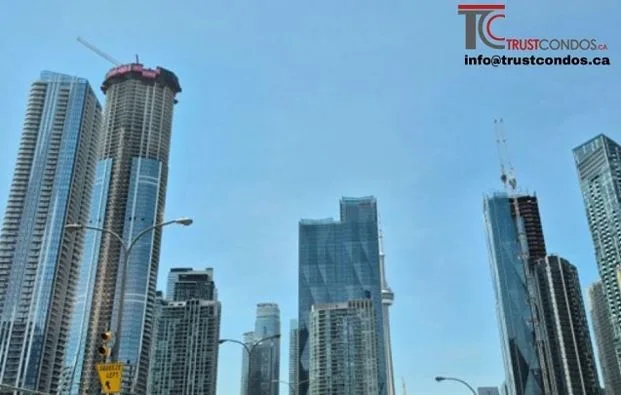
Canada’s condo market has changed dramatically since 2022, and that changes the questions buyers need to ask. With prices down well over 20% from their peak in many downtown buildings and buyers holding real negotiating leverage for the first time in years, the temptation is to focus purely on price. Whether you’re considering condos for sale in Mississauga or any other city, price is only half the equation. The other half, the one that determines whether your purchase holds up over the next 5, 10, or 20 years, is the building itself. A great deal on a poorly run building is still a bad deal. Here’s how to properly evaluate a condo building before you commit.
Why Building Evaluation Matters More in 2026
The current market gives buyers something they didn’t have a few years ago that’s time. Days on market have stretched out, and there’s enough inventory in most neighborhoods that you’re rarely forced into a rushed decision. Use that time. It also matters because the market itself is under strain. A large amount of unsold and recently completed inventory has hit the GTA, and several pre-construction developers are under financial pressure. That environment makes building-level due diligence, not just unit-level. If you are considering Scarborough condos for sale, it may look perfect and still sit inside a building with a thin reserve fund, a rising special-assessment risk, or a governance problem that only shows up after you’ve closed.
Start With the Status Certificate
In Ontario, every condo purchase agreement should be conditional on reviewing the building’s Status Certificate, and this is non-negotiable regardless of how good the deal looks. It’s the single most important document in the entire process.
At minimum, it should tell you:
- Reserve fund health. Compare the current reserve fund balance against the building’s reserve fund study. A fund that’s significantly underfunded relative to the study’s recommendations is a red flag for future special assessments.
- Ongoing or threatened litigation. Lawsuits involving the corporation can affect financing, resale value, and future fees.
- Budget and fee history. Look at maintenance fee increases over the past three to five years. Steady, modest increases (roughly in line with inflation) are normal. Fee jumps well above 5% a year, repeated year over year, usually signal deferred maintenance catching up with the building.
- Special assessment history. A building that’s levied large one-time charges in the past is more likely to do so again, especially if the reserve fund remains thin.
- Rules and restrictions. Rental restrictions, pet policies, and renovation rules vary by corporation and can materially affect your plans for the unit.
Check the Owner-to-Tenant Ratio
Buildings with a high proportion of investor-owned condos behave differently than owner-occupied properties. It’s not a negative sign to have a higher tenant ratio. However, it is vital to understand that lenders, more often than not, demand higher rates on buildings investors cannot bear. If you’re considering condos for sale in North York, your agent or the property management company can often provide a general sense of this ratio, even if an exact figure isn’t published.
Assess the Physical Building, Not Just the Unit
The inspection of a condo is always a positive sign. However, most buyers ignore what drives long-term costs in a condo. Consider the following while evaluating a condo inside a building:
- Roof and exterior envelope. Know when the roof was replaced. Are there any chances of water infiltration in common areas?
- Mechanical and electrical systems. Elevators, HVAC plant, and electrical infrastructure are expensive to replace. Ask about the age of major mechanical equipment and whether replacement is anticipated in the reserve fund study.
- Common areas. The state of hallways, lobbies, and amenity spaces is a reasonable proxy for how well the corporation maintains the building overall.
- Unit-specific issues. Within the unit itself, look for the same things any home inspection covers: signs of water damage on ceilings and around windows, sloping or damaged flooring, and the condition of in-suite mechanical systems.
Many buyers considering New Condos in Pickering bring in a licensed condo-experienced home inspector for a pre-offer or conditional inspection. Given that inspectors can only assess what’s visible, pair this with the Status Certificate rather than relying on either alone.
Evaluate Location and Transit Fit for Your Actual Life
Look beyond the current condition of a building. If the neighborhood and location fit your needs, value it highly. If you’re considering Condos for sale in Brampton, you need to pay attention to commute, walkability, and access to transit. More generally, ask yourself:
- Does the building sit within a reasonable walk of subway or LRT access, or are you relying on buses or a car?
- How mature is the surrounding retail and services infrastructure? Are groceries, pharmacies, and daily errands walkable, or a drive away?
- If you’re buying with resale or rental in mind, does the location match the tenant pool or buyer pool you’d realistically attract?
Understand Where 2026 Pricing Actually Sits
Context matters when you’re judging whether a price is fair. You generally have room to negotiate on price and closing terms, particularly on units that have been sitting for a while. This also means that:
- Resale units are, in most cases, priced more competitively relative to new construction than they have been in years, since new-build pricing has had to come down to compete.
- A soft market is exactly when building-level due diligence matters most — with prices lower and choice higher, there’s little reason to compromise on a building with poor fundamentals just to get a deal done quickly.
None of this means every building is a bargain simply because the broader market has cooled. So, for instance, in the case of buying new townhomes in Whitby, some buildings will always carry higher fees, thinner reserves, or weaker management regardless of where the market sits.
A Quick Pre-Offer Checklist
Before you waive conditions on any condo purchase, make sure you’ve covered:
- Status Certificate reviewed by a lawyer, including reserve fund adequacy and litigation history
- Fee history checked for the past 3–5 years, watching for increases above 5% annually
- Special assessment history confirmed with the property manager
- Owner-to-tenant ratio understood, especially if financing could be affected
- Physical condition assessed, ideally with a professional inspection covering both the unit and visible common elements
- Location and transit fit confirmed against your actual commute and lifestyle needs
- Recent comparable sales in the same building, not just the neighborhood, pulled before you negotiate
The Bottom Line
In a market that finally favors buyers, the biggest risk isn’t overpaying for a good building; it’s underpaying for a badly run one. Take the time the current market gives you, get the Status Certificate reviewed properly, and evaluate the building with the same rigor you’d apply to the unit itself. That’s what turns a good price into a good purchase. Have a specific building or neighborhood you’re considering? Reach out to the Trust Condos team. We’re happy to help you dig into the details before you make an offer.