How to Evaluate a Fire Damaged Property Before Choosing a Selling Strategy
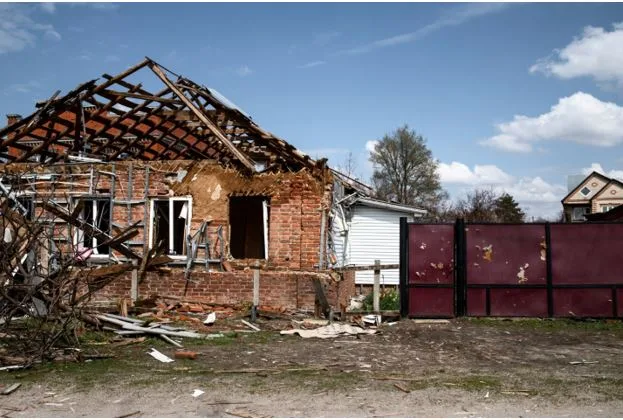
A house doesn’t stop being valuable just because a fire has changed its condition. What changes is the way you have to approach the sale.
Before spending any money on repairs or accepting an offer, it’s helpful to take a step back and really understand what the property needs. A good assessment of a fire damaged property can take a lot of the stress out of the next decision.
The condition of the house at first glance may not tell the whole story. Hidden structural, electrical, smoke or water problems can impact not only the cost of repairs but the selling potential of the property.
Don’t Judge the House by What You Can See
Walking through a burned room is a lot. Charred cabinets, stained ceilings, broken windows and a lingering smell of smoke immediately capture attention. But the visible damage is only part of the picture.
Heat and smoke can travel farther than the flames themselves. Water used by firefighters can also affect areas not directly burned.
Before deciding what to do, look at:
- Walls, ceilings, and flooring
- Electrical wiring and outlets
- Plumbing systems
- Roof and exterior surfaces
- Insulation and ventilation
- Doors and windows
- Signs of moisture or mold
Some issues may require professional inspection before you can accurately estimate the property’s condition.
Find Out What Can Actually Be Repaired
Not all damaged houses need to be rebuilt from the ground up.
A smaller incident might leave the structure sound but require extensive cleaning and the replacement of certain materials. A more serious fire may have affected structural components and made restoration considerably more complicated.
This is where an honest assessment becomes useful.
Ask practical questions
- Which parts of the property are still usable?
- What needs immediate attention?
- Which materials must be replaced?
- Are there structural concerns?
- Will permits or specialist work be required?
The answers can help you determine whether a renovation is realistic or whether selling the property in its present condition deserves consideration.
Get More Than One Repair Estimate
It’s easy to walk into a damaged room and speculate on the cost of repairs. Unfortunately, that approach can give a very unrealistic figure.
Contractors may have more problems once damaged walls or flooring are pulled out. What begins as a cleanup project can turn into electrical work, structural repairs, moisture treatment, or total reconstruction.
Try to obtain detailed estimates covering:
- Cleanup and debris removal
- Structural repairs
- Electrical and plumbing work
- Smoke and soot treatment
- Flooring and drywall
- Roofing or exterior repairs
- Finishing and painting
Once you have those numbers, compare them with what the home might reasonably be worth after restoration.
Review Your Insurance Claim Carefully
Insurance information can change the calculation considerably.
Go through your policy and understand what losses and restoration expenses may be covered. Keep photographs of the property and save relevant paperwork as the claim progresses.
Useful documents can include:
- Inspection reports
- Contractor estimates
- Receipts
- Photographs
- Insurance correspondence
- Repair invoices
Having everything organized can make it easier to determine how much money you would actually need to put into the property yourself.
Think About Your Time, Not Just Your Money
A restoration project has another price that doesn’t appear on an invoice: your time.
Managing a major renovation can mean coordinating contractors, answering questions, scheduling inspections, handling delays, and making decisions about materials. If the property is vacant, you may also be paying taxes, utilities, insurance or other holding costs.
Think about your own situation.
Do you have the money to repair it?
Do you have a place to live till the work is done?
Can you realistically manage the project for the next few months?
If the answers are uncomfortable, selling without completing a major renovation may be worth investigating.
Compare the Main Selling Routes
Once you understand the condition, look at your available choices instead of automatically choosing the most familiar one.
Traditional Listing
Repairing the property and putting it on the conventional market may work when restoration costs are manageable and there is sufficient time to complete the project.
The potential advantage is access to buyers looking for a finished home.
The downside is the upfront investment and uncertainty surrounding the renovation.
As-Is Sale
Selling without completing extensive repairs removes much of the renovation burden.
The trade-off is that buyers will factor the property’s condition into their offers. Still, for some owners, avoiding months of construction is more valuable than pursuing the highest possible sale price.
Direct Sale
Some fire damaged property buyers focus on houses that need significant work. Speaking with these buyers can give an owner another option to compare against traditional selling.
Don’t accept an offer simply because it is quick. Look at the complete terms and calculate what you would actually receive.
Calculate the Net Result
A common mistake is comparing sale prices instead of outcomes.
Imagine a repaired house could sell for more, but reaching that price requires a large renovation budget, temporary accommodation, months of carrying expenses, and considerable effort.
Now compare that with an as-is offer that requires little preparation.
The second option might produce less money on paper but leave the owner with a similar—or potentially more practical—result after expenses.
Always consider the net amount, not just the headline figure.
Know When Speed Matters
There are circumstances where getting the property sold quickly becomes a priority. Maybe the house is vacant, the repair estimate is too much for the owner’s budget, or the owner just does not want to spend another year dealing with the fallout.
In that situation, researching the fastest way to sell a fire-damaged property directly to investors online can help identify alternatives.
Take time to compare the available options, read the terms carefully, and understand exactly what the buyer is offering.
Treat Every Property Differently
There isn’t a universal answer for every fire sale property.
A lightly damaged home in a strong neighborhood may be worth restoring. A heavily damaged home needing major reconstruction might make more sense as an as-is sale.
Property location, condition, insurance situation, available budget and desired timeline all come into play.
Final Thoughts
A fire damaged property deserves a careful evaluation before any selling decision is made. Knowing the repairs, costs, insurance position and time involved gives homeowners a much stronger footing to choose what comes next.
When considering a fire sale property look for the whole picture and not just chasing one number. The best strategy is the one that fits your budget, timeline and willingness to do the work ahead.