How to Find the Right Locksmith Professional
There is a particular flavour of panic that hits you when you realise you are locked out. Maybe you are standing on the front verandah at ten at night, watching your own warm lounge room through the window. Maybe you have just shut the car door and spotted the keys sitting right there on the passenger seat, mocking you. Maybe you have arrived at the shop on a Monday morning only to find the back door lock has jammed solid, and your staff are milling around waiting to start work. Whatever the scenario, the moment you realise you need help is almost never the moment you want to start researching options from scratch.
That is exactly why this guide exists. Whether you are dealing with an urgent lockout right now, planning a security upgrade for your home, or just want to sort out a trustworthy professional to have on speed dial for when the worst happens, the information here will help you make smart decisions. We will cover the services a good operator provides, the warning signs that separate legitimate professionals from dodgy operators, what you should expect to pay, and the questions you should be asking before any work starts.
Take your time with it. A bit of knowledge up front can save you hundreds of dollars, a load of stress, and in some cases a genuine security risk down the track.
What a Modern Locksmith Actually Does
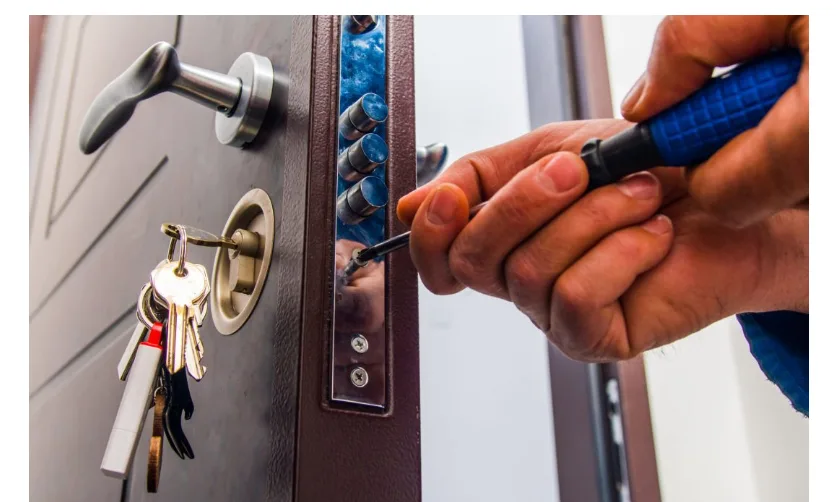
When most people hear the word, they probably picture someone kneeling at a front door fiddling with a bit of wire in the lock. While lockouts are certainly part of the job, the modern trade is far broader and more technical than most people realise. Today’s professionals work with everything from traditional mechanical locks to sophisticated electronic access control systems, digital safes, automotive transponder keys, and smart home security integration.
If you are curious about the craft and history behind the trade, there is a solid overview on Wikipedia’s locksmithing page that covers how the profession has evolved over the centuries. It gives you a real appreciation for how much skill and knowledge goes into what these people do every day.
The work generally breaks down into a few main areas, and understanding these categories will help you work out exactly who you need to call for your specific situation.
Residential Services for Homeowners
This is the area most Aussie homeowners interact with at some point. Residential work includes lockouts, rekeying, lock replacement, installation of new deadbolts and security screen doors, master key systems for bigger homes, key cutting and duplication, and safe installation or opening. A good residential specialist can also carry out a security audit of your home, pointing out weak spots you might never have noticed and recommending practical upgrades that make your place genuinely harder to break into.
Commercial Security Work
Commercial jobs cover shops, offices, warehouses, and other business premises. The work is often more involved because businesses have different security needs and compliance obligations to meet. Services include high-security lock installation, access control systems with keycards or fobs, master key setups that give different staff different levels of access, panic bars and emergency exit hardware, safe installation, and ongoing maintenance arrangements that keep everything working reliably year after year.
Automotive Key and Lock Specialists
Modern cars have moved well beyond simple mechanical keys. Most vehicles now use transponder keys, proximity fobs, or push-button start systems with rolling code security. When you lose a modern car key or get locked out, you need someone with the right diagnostic equipment and the knowledge to program replacement keys to your specific vehicle. Not every operator offers this service, so if you have an automotive issue, ask upfront whether they handle your make and model before committing to anything.
How to Spot a Trustworthy Professional
Here is where things get important, because this industry has its share of dodgy operators who prey on people in stressful situations. Before you call anyone, it pays to understand how to tell the difference between a legitimate professional and someone who will overcharge you, do shoddy work, or worse.
Licensing and Professional Credentials
In most Australian states and territories, locksmiths are required to hold appropriate security licensing. This is not just a formality. Licensed operators have passed background checks and meet industry standards, which matters a lot when you are handing someone access to your home or business. Always ask to see credentials, and be wary of anyone who gets defensive when you ask. A genuine professional will be happy to confirm their qualifications because it is part of their reputation.
Professional membership in recognised industry associations is another good sign. Associations hold their members to codes of conduct and ongoing training requirements, which means you are more likely to get quality work from someone who is willing to be accountable to their peers.
Local Reputation and Word of Mouth
A professional who has been serving your local area for years and has built up a strong reputation is generally a safer bet than a newly listed operator with no track record. Read online reviews carefully. Look for consistent themes in what happy customers say, and pay attention to how the business responds to any negative feedback. A professional operation will handle complaints gracefully and try to put things right, while a dodgy one will either ignore complaints or fire back defensively.
Word of mouth still carries serious weight in this trade. Ask your neighbours, your mates, and your workmates who they have used and whether they were happy. A personal recommendation from someone you trust is worth a dozen online reviews any day of the week.
Transparent Pricing and Clear Quotes
One of the biggest red flags in this industry is vague pricing. A legitimate operator will give you a clear call-out fee, an estimate for the work, and a breakdown of any additional costs before they start. Watch out for operators who quote a suspiciously low call-out fee over the phone and then rock up and announce the job will cost ten times what they originally suggested. This bait-and-switch tactic is unfortunately common, and it is exactly the kind of behaviour you want to avoid.
Ask specifically about after-hours rates, travel fees, and what happens if the job turns out to be more complex than expected. A professional will be able to give you a clear answer straight away. If someone is hedging or refusing to commit to any figures over the phone, keep looking.
If you are looking for a locksmith perth residents can rely on for honest pricing and genuine expertise, it is worth getting in touch with an experienced local operator who understands the security needs of Western Australian homes and businesses.
Common Services and What You Should Expect to Pay
Pricing varies depending on the nature of the job, the time of day, the complexity of the lock or system involved, and the quality of the hardware being used. Here is a rough guide to what you might expect for common jobs in Australia, keeping in mind that these are indicative figures and actual prices will vary depending on your location and the specific situation.
- Standard residential lockout during business hours: generally falls in the range of one hundred and fifty to three hundred dollars, depending on call-out fees and the difficulty of the lock.
- After-hours emergency lockout: expect a premium, often adding fifty per cent or more to the standard rate. This reflects the reality that someone is leaving home at an antisocial hour to help you out.
- Rekeying existing locks: almost always cheaper than replacement and a cracker option when you move into a new place or lose track of who has keys. Prices vary with the number of locks involved.
- New deadbolt installation: varies depending on the quality of the hardware, but budget for both the lock itself and the labour to fit it properly.
- Automotive key replacement: can range from modest amounts for older mechanical keys to several hundred dollars or more for modern transponder or proximity keys that need programming to the vehicle.
- Safe opening or servicing: depends heavily on the type of safe, the reason it needs attention, and whether any components need replacing.
The main point here is not the specific figures but the principle of getting a clear quote before any work starts. Never agree to a job without knowing what it will cost, and never feel pressured to proceed if a price seems unreasonable. A good locksmith will explain their pricing and give you time to decide.
Security Upgrades Worth Considering for Your Home
Plenty of people only think about calling these professionals when something has gone pear-shaped, but there is real value in consulting one proactively. A security upgrade is one of the best investments you can make in your home, and a knowledgeable operator can point out weak spots you might never have noticed on your own.
- High-security deadbolts on all external doors are the foundation of home security. Not all deadbolts are created equal, and upgrading from a basic unit to a properly rated high-security model can dramatically improve resistance to forced entry.
- Restricted key systems prevent unauthorised duplication of your keys. With a standard key, anyone who borrows it can easily cut a copy at the local shopping centre. Restricted systems require proof of ownership before a new key can be cut.
- Window locks are often overlooked, but ground-floor windows are a common entry point for opportunistic burglars. Adding simple window locks or security film can make a real difference without costing a fortune.
- Smart locks offer convenience and the ability to grant temporary access to trusted people without handing over physical keys. Quality varies enormously between brands, so get proper advice before buying something off the shelf at the hardware store.
- Safes for valuables and important documents protect against both theft and fire damage. A properly installed safe, bolted into place and hidden from view, is a genuine deterrent that gives you peace of mind.
Business Security Solutions for Commercial Premises
If you run a business, the stakes are higher and the considerations are different. Commercial premises often have multiple staff, varying levels of access, stock or equipment to protect, and compliance obligations to meet. A professional experienced in commercial work can design a security setup that fits your specific operation.
Access control systems using keycards, fobs, or biometric readers let you control exactly who enters which areas, and they give you an audit trail of comings and goings. When staff leave, revoking their access is a matter of clicking a button rather than changing locks. This alone can justify the investment for many businesses, particularly those with higher staff turnover.
Master key systems are another genuinely useful tool for commercial premises. A well-designed master key setup allows cleaners to access only the areas they need, managers to access their own departments, and senior staff to access everything. It simplifies key management enormously and reduces the chance of keys ending up in the wrong hands.
Emergency exit hardware needs to comply with fire safety regulations, and this is not an area where you can afford to cut corners. A professional who works in commercial settings regularly will be familiar with the relevant standards and can make sure your premises meet all the requirements without compromising day-to-day security.
What to Do When You Are Locked Out Right Now
If you are reading this from the wrong side of a locked door, here are some practical steps to handle the situation calmly and avoid making things worse than they already are.
First, take a breath. Check every possibility before calling anyone. Have you definitely lost the keys, or are they somewhere you have not thought to look yet? Is there another entry point you can use? Does a neighbour or family member have a spare? These checks take a few minutes but can save you a call-out fee entirely.
If you genuinely need help, resist the temptation to try to force the door yourself. A professional can usually open a locked door without any damage, whereas a well-meaning attempt to kick it in or jimmy it with a screwdriver can cause hundreds of dollars’ worth of damage and still not get you inside.
When you make the call, explain the situation clearly. Tell them exactly what kind of lock you have if you know, and describe the situation so they can turn up with the right tools. Ask for a clear quote including any after-hours premium, confirm the expected arrival time, and get the name of the person who will be attending.
When they arrive, check credentials before any work starts. A professional will not be offended by this. It is standard practice, and anyone who objects is waving a big red flag.
Warning Signs and Red Flags to Watch For
The industry has enough legitimate professionals doing excellent work that there is no reason to put up with dodgy operators. Here are the warning signs that should have you hanging up and calling someone else instead.
- Refusing to provide a firm quote or being evasive about pricing over the phone.
- Quoting an unrealistically low call-out fee and then ramping up the price dramatically once they arrive on site.
- Turning up in an unmarked vehicle with no visible company branding or identification.
- Inability or unwillingness to show licensing and credentials when you ask.
- Pressuring you to approve additional work on the spot without giving you time to think it over.
- Insisting on drilling a lock when a non-destructive opening should be possible.
- Accepting only cash with no receipt, invoice, or documentation of any kind.
- No physical address or landline number, just a mobile with no verifiable business details.
If you spot any of these during the booking or on arrival, it is completely acceptable to say you have changed your mind and call someone else. Your safety and your wallet are more important than feeling awkward about knocking someone back.
Building a Relationship Before You Actually Need One
Here is a piece of advice that most people never think about until it is too late. Find a good locksmith now, before you need one. Save their number in your phone. If you are moving into a new home, get them to rekey the locks so you know nobody else has a copy of your keys. If you run a business, have them audit your premises and recommend upgrades. Build a relationship with someone professional and trustworthy, and you will have peace of mind long before any emergency turns up.
The cost of a proactive visit is modest, and the benefit is enormous. You will know exactly who to call when something goes pear-shaped, and they will already know your property and your situation. That makes the whole process faster, cheaper, and way less stressful when the inevitable happens and you need help in a hurry.
Making Your Final Choice
Choosing the right professional comes down to a handful of key factors. Look for someone licensed and properly credentialed. Check their reputation through reviews and personal recommendations from people you trust. Make sure their pricing is transparent and fair. Confirm they handle the specific type of work you need, whether that is residential, commercial, or automotive. And trust your instincts. If something feels off during your initial conversation, it probably is, and there will always be another operator to call.
The right professional is not just a tradie you ring in an emergency. They are a partner in keeping you, your family, your staff, and your property safe. Taking the time to find a good one is one of those small investments that pays off many times over across the years. Do the homework now, and you will save yourself a world of hassle when the day finally comes that you really need the help.
Frequently Asked Questions
How quickly can a locksmith reach me in an emergency?
Response times vary depending on your location, the time of day, and how busy the operator is, but most professionals aim to reach emergency call-outs within thirty to sixty minutes. If you are in a more remote area, expect a slightly longer wait. When you are booking, ask for a clear arrival estimate so you can plan accordingly and avoid sitting around wondering where they are.
Will a locksmith damage my lock when getting me back inside?
A skilled professional will almost always open a standard lock without causing any damage, using techniques like picking or bypassing. Drilling is generally a last resort that is only used on high-security locks or ones that are already damaged and cannot be opened any other way. If someone immediately reaches for a drill without even attempting a non-destructive method, that is a serious warning sign worth paying attention to.
Is it cheaper to rekey my locks or replace them entirely?
Rekeying is almost always cheaper than full replacement because you are reusing the existing lock body and just changing the internal pins to work with a new key. Replacement only really makes sense when the existing locks are old, worn, or no longer providing adequate security. A good operator will assess your situation and recommend whichever option offers the best value for your circumstances.
Can a locksmith make a key for my car without the original?
In most cases yes, but it depends on the make, model, and year of your vehicle. Modern cars with transponder or proximity keys require specialised equipment to program new keys to the vehicle’s security system. Make sure you ask the operator in advance whether they handle your specific car before committing to the job, as not everyone has the kit for every make and model.
How often should I review my home security?
As a general rule, it is worth having your home security reviewed every few years or whenever your circumstances change significantly. Moving house, changes in the family, renovations, or any break-in attempt in your neighbourhood are all good reasons to have a professional take a fresh look. Security standards and technology improve over time, and what was considered perfectly fine ten years ago may not offer adequate protection today.