How to Get an ESA Letter: RealESALetter.com Simplifies the Process for Pet Owners With a New & Faster Ordering Experience
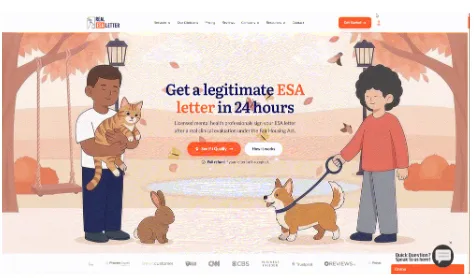
RealESALetter.com has redesigned its website to make getting an emotional support animal letter clearer and faster, with a free eligibility check, guided steps and tools that answer common questions before pet owners apply.
For many pet owners, the hardest part of getting an ESA letter is not the evaluation. It is everything before it. Which website is real? What will a landlord accept? How long will it take? What happens if the letter is rejected? Too often, people give up halfway through a confusing form or pay a site that never explains what comes next.
RealESALetter.com set out to fix that. Its redesigned website turns the process into a short, guided path that shows pet owners what to expect at every step. This article walks through the new experience, explains how to get an ESA letter from start to finish and covers the details that matter most to renters.
The Problem the Redesign Solves
Many ESA websites share the same weak points. They use automated quizzes instead of real clinicians, skip a live evaluation and give little information about what a valid letter should include. Pet owners are left guessing, and some end up with documents that landlords refuse.
The new RealESALetter experience was built around a simple idea: answer the big questions first, then make ordering easy. Instead of pushing visitors straight into a payment page, the site now explains what an ESA letter is, who qualifies, where it works and how to spot a fake, all before anyone spends a dollar. Pet owners can learn the rules, compare their options and decide whether an ESA letter fits their needs, then move forward with confidence instead of guessing at each step.
The update has also drawn outside attention. In a post for ThePetWorld, Barbara Perez looked at the redesigned ordering experience and how it aims to make the process easier for pet owners.
The Old Way vs the New Way
Here is how the redesigned experience compares with the typical online process many pet owners have faced:
- Old way: long forms that ask for payment first. New way: a free eligibility check that takes about five minutes and needs no credit card.
- Old way: no clear idea who reviews the application. New way: a licensed clinician assigned to the applicant’s state reviews every application.
- Old way: vague timelines. New way: most letters arrive as a digitally signed PDF within 24 hours of approval.
- Old way: no help if a landlord pushes back. New way: support with landlord forms and a full refund if the letter is not accepted.
- Old way: one pet per letter. New way: more than one pet can be listed on the same letter.
How to Get an ESA Letter in Four Simple Steps
The redesigned site breaks the process into four clear steps that pet owners can follow from any phone or computer.
Step 1: Answer a Few Questions
The process starts with a short questionnaire about the applicant’s needs, their animal and their housing. It is free, takes about five minutes and does not require a credit card. This lets pet owners see whether they may qualify before committing to anything.
Step 2: A Licensed Therapist Reviews the Application
Each application goes to a real licensed mental health professional who holds an active license in the applicant’s state. There is no automated approval system. The clinician reviews the details, completes a live evaluation and makes an independent decision. Not every applicant qualifies, which is part of what makes a genuine letter credible.
Step 3: Receive the ESA Letter
Applicants who qualify receive a digitally signed PDF letter, usually within 24 hours of approval. The letter includes the clinician’s name, license number, state of licensure, issue date and contact details, so housing providers can confirm it.
Residents of Arkansas, California, Iowa, Louisiana and Montana follow state rules that require a 30 day client and provider relationship. In these states, two consultations take place before the letter is finalized.
Step 4: Share the Letter With the Landlord
The final step is sending the PDF to the landlord or housing provider. If the landlord needs an extra form signed, the RealESALetter team helps with it, and its therapists can speak with the landlord directly when needed.
Inside the Redesigned Website
Beyond the four steps, the new site includes several tools designed to remove guesswork.
A Free Eligibility Check
The “See If I Qualify” button appears throughout the site and leads to the free screening for an ESA letter. Pet owners can explore their options without pressure and without entering payment details.
A Simple Choice Between a New Letter and a Renewal
A simple selector lets visitors choose whether they need a new ESA letter or an ESA letter renewal. Each choice shows what the letter covers, such as living in no pet housing and avoiding pet fees, so pet owners can pick the right option the first time.
A Pet Fee Savings Calculator
One of the most practical additions is a pet fee calculator. Renters enter what their landlord charges for a pet deposit and monthly pet rent, and the tool shows how much they may keep in the first year with an approved ESA letter. Under the Fair Housing Act, housing providers generally should not charge pet fees for an approved ESA, though tenants remain responsible for any damage.
A Clear “Where It Works” Guide
The site shows where an ESA letter applies, including apartments, rentals, condos, cooperatives, HOA managed properties and university housing. It also explains where it does not apply, such as hotels, short term rentals, restaurants and stores. This helps pet owners set realistic expectations from the start.
An Interactive Sample Letter
Visitors can open a redacted sample letter and tap each part to see what it means, from the therapist’s letterhead to the Fair Housing Act reference and the clinician’s signature. The full collection is available on the ESA letter sample page, which helps pet owners know what a valid letter looks like before they apply.
Clinician Profiles
The redesigned site introduces the licensed therapists behind the letters, including LCSWs, LMFTs, LMHCs and licensed psychologists. Each profile lists the clinician’s license type, the states where they practice and their areas of focus.
A Letter Verification Page
Landlords and property managers can confirm a letter through the site’s verification page. This is one of the strongest trust signals in the new design, because it gives housing providers a simple way to check that a letter is real.
Built to Work on Any Device
Many pet owners start their search on a phone. The redesigned site is built to work smoothly on phones, tablets and computers, with large buttons, short sections and tap to open details. Applicants can begin the questionnaire on one device and sign in later to check progress, which makes the process easier for people with tight schedules.
Covering More Than One Pet
Some households share their home with two cats or a dog and a rabbit. The redesigned process allows more than one animal to be listed on the same letter, as long as a licensed clinician confirms that each animal supports the person’s needs.
What a Valid ESA Letter Must Include
The new site makes the requirements easy to understand. A legitimate letter should include:
- The therapist’s official letterhead with practice name and contact details
- The clinician’s license number and state of licensure
- The issue date
- Details about the animal, such as name, species and breed
- A reference to the right to reasonable accommodation under the Fair Housing Act
- The clinician’s signature
If any of these elements is missing, a landlord may have grounds to question the letter. Letters from automated systems with no real evaluation are the most likely to be challenged.
Who Qualifies for an ESA Letter
Under the Fair Housing Act, a person may qualify if a mental health condition makes everyday life harder in important ways, such as sleeping, working, socializing, concentrating or caring for themselves. Common qualifying conditions include anxiety, depression, PTSD, panic disorder, OCD, ADHD and bipolar disorder, along with other conditions depending on their impact.
Any domesticated animal can be an emotional support animal, including dogs, cats, rabbits, birds and guinea pigs. There are no breed or species limits under federal law, as long as a licensed professional confirms the need.
What an Emotional Support Animal Does
The redesign also explains clearly what an emotional support animal is. An ESA helps through its presence and needs no special training. It offers steady comfort and a daily routine on hard days. An ESA letter supports a housing accommodation request under the Fair Housing Act.
Pet owners should know the limits. An ESA letter covers long term housing, but it does not give access to restaurants, stores or other public places, and it does not apply to hotels or short term rentals. Airlines are also no longer required to carry emotional support animals, so pet owners should check travel rules before planning a trip with their animal.
Why Verifiable Letters Matter in 2026
On May 22, 2026, HUD narrowed its federal enforcement approach for animals that are not individually trained. The Fair Housing Act itself did not change, and state laws continue to protect many renters. State agencies and the courts remain important options for ESA owners.
For renters, this shift makes a complete and verifiable letter more important than ever. A letter with a real license number, a recent date and direct contact details is far harder for a landlord to dismiss. Pet owners can also review their state’s emotional support animal laws to understand the rules where they live.
Common Reasons Landlords Reject ESA Letters
The redesigned site explains why some letters fail, so pet owners can avoid the same problems. The most common reasons include:
- An expired or outdated letter
- A missing license number
- A letter not written by a licensed mental health professional
- An instant approval with no real evaluation
- A registry or certificate instead of a letter
- A clinician licensed in the wrong state
- No official letterhead
- Generic template wording
Each RealESALetter.com letter is written after an individual evaluation by a clinician licensed in the applicant’s state, which helps avoid these issues. Renters whose letter was rejected elsewhere can apply for a compliant replacement.
Keeping an ESA Letter Current
There is no federal expiration date for ESA letters, but most housing providers prefer a letter dated within the past 12 months. The redesigned site makes it easy to stay current through a dedicated ESA letter renewal option, handled by the same licensed clinician panel. Renewing before a lease renewal or a move helps avoid delays and questions from a new landlord.
Protecting Personal Information
Mental health details are private, and the redesigned process reflects that. RealESALetter follows HIPAA practices, and a landlord cannot ask for a renter’s diagnosis. The letter confirms a disability related need without sharing private medical details, so renters can protect their privacy while still giving housing providers what they need.
Clear Pricing From the Start
The new site shows pricing openly so pet owners know the cost before they begin:
- ESA housing letter: $149
- ESA letter renewal: $99
There are no registration fees or lifetime memberships, because a legitimate ESA letter does not require either. The site also offers a full refund if a landlord does not accept the letter, according to its refund policy.
How to Spot a Fake ESA Website
The redesigned site includes a simple checklist that pet owners can use with any provider. Before paying, look for:
- A real licensed clinician who actually evaluates you
- A clinician licensed in your state
- Official letterhead with a license number and direct contact details
- A real consultation, not an instant approval
- A clear refund policy if the letter is not accepted
Red flags include instant approvals, missing license numbers, generic letterheads and websites that sell registrations, certificates, ID cards or vests. None of these items carry legal weight under federal law.
What Pet Owners Can Expect After Ordering
After placing an order, pet owners can sign in to their account to follow their progress. Support is available seven days a week by phone, live chat and email. Once the letter arrives, renters can send it to their landlord right away, ideally before signing a lease or with a rental application, so the request can be reviewed without delaying move in day.
If a landlord has questions, the RealESALetter team works with them directly. If the letter is still not accepted, the refund policy applies.
Talking to a Landlord About an ESA
Many renters feel nervous about the conversation with their landlord. A short, polite written request usually works best. It can simply ask for a reasonable accommodation for an emotional support animal, attach the letter and request a written reply. Landlords may ask whether the person has a disability related need for the animal, but they cannot ask for medical records or a diagnosis.
If a landlord has doubts, the clinician’s license number and contact details make it easy to confirm the letter. When questions remain, the RealESALetter support team can step in and help resolve them.
Tips for a Smooth ESA Letter Process
A few simple habits can make the process even easier:
- Start the free eligibility check before you begin apartment hunting
- Answer the questionnaire honestly and in detail
- Keep your letter as a PDF so you can share it quickly
- Send the letter with a short written accommodation request
- Ask your landlord to confirm approval in writing
Who Benefits Most From the Redesign
The new experience is especially helpful for first time applicants who feel unsure where to begin, renters facing pet rent or deposits, people moving into no pet housing, students living in university housing and pet owners with more than one animal. It also helps renters who were previously rejected because of a weak or incomplete letter from another provider.
The Bottom Line
Getting an ESA letter should not feel confusing or risky. The redesigned RealESALetter website makes the process faster and clearer, with a free eligibility check, licensed clinicians in every state, letters that housing providers can verify and practical tools like the pet fee calculator and interactive sample letter. With more than 750,000 pet owners served and a 4.97 rating from more than 3,000 verified reviews, the platform gives renters a simple and trusted path to keeping their animals at home.
TL;DR
To get an ESA letter, answer a short free questionnaire, complete an evaluation with a licensed therapist in your state and receive a signed letter, usually within 24 hours. RealESALetter.com’s redesigned website makes this faster and clearer with a free eligibility check, a service selector, a pet fee calculator, an interactive sample letter, clinician profiles and a verification page for landlords. Residents of Arkansas, California, Iowa, Louisiana and Montana follow a 30 day rule.