How to Install a Train Horn on a Pickup Truck: Step-by-Step Guide
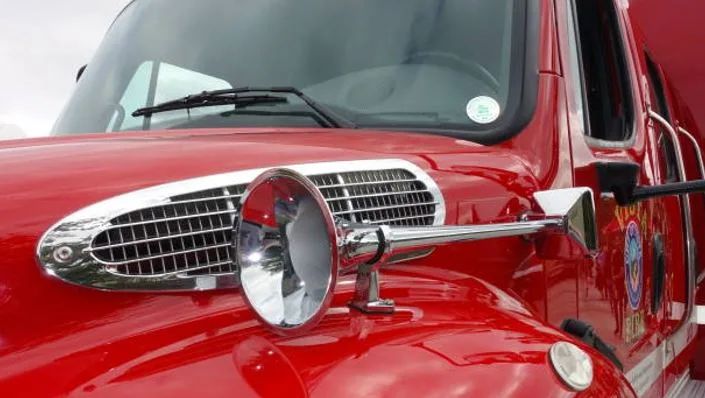
Installing a train horn on a pickup truck is one of the more rewarding vehicle modifications you can do in an afternoon. The process involves mounting the horn assembly, installing an air compressor and tank, running airlines, and wiring the activation circuit. This guide covers the complete installation process for a standard air-powered train horn kit on a full-size pickup — the same procedure applies to F-150, Ram 1500, Silverado 1500, Tundra, and most other full-size trucks. For model-specific fitment guides covering 30+ truck platforms, see train-horn.com.
Tools and Materials You Will Need
Before starting, gather the following: a train horn kit with compressor and air tank (or individual components), 3/8-inch air line, inline airline filter, pressure switch (typically pre-set to 120–150 psi), push-to-connect fittings, a relay and 30-amp fuse holder, 12-gauge wire, zip ties, a drill with metal bits, and a momentary push-button switch for the cab. A torque wrench, wire stripper, and crimping tool will also be needed.
Step 1: Choose Your Mounting Location
The most common mounting locations on pickup trucks are under the bed (between the frame rails), inside the bed (against the cab wall), or behind the front bumper. Under-bed mounting offers the best protection from road debris and weather exposure, and keeps the horn invisible from outside the vehicle. Measure your available space carefully: a standard four-chime horn horn assembly typically requires approximately 16 inches of clearance in the longest dimension, and the air tank (usually 1.5 to 5 gallons) needs a flat, structurally sound surface for mounting.
Step 2: Mount the Air Tank and Compressor
Drill holes through the frame or bed floor for your mounting bolts, using a step drill bit for clean entry holes. Secure the air tank using the provided mounting straps or universal tank brackets. The tank must be mounted horizontally or at a slight angle with the drain valve facing down — never mount the tank inverted. Mount the compressor adjacent to the tank in a location with adequate ventilation; compressors generate significant heat during operation and require airflow around the motor housing.
Connect the compressor output to the tank inlet using 3/8-inch air line with push-to-connect fittings. Install the inline filter between the compressor and tank to capture moisture and debris before they enter the tank. Thread the pressure switch into one of the tank ports using teflon tape on all threads.
Step 3: Run the Airline to the Horn
Route the air line from the tank outlet to the solenoid valve on the horn assembly. Keep the line away from exhaust components, which can degrade the nylon tubing over time. Use existing grommets or drill new holes with rubber grommets wherever the line passes through sheet metal. Secure the line every 12–18 inches with zip tie mounts to prevent vibration-induced wear. The solenoid valve is the electrically actuated valve that opens when you press the horn button; it should be mounted as close to the horn as possible to minimize response lag.
Step 4: Wire the System
The electrical system has two circuits: the compressor circuit and the solenoid activation circuit. For the compressor, run a 12-gauge wire from the battery positive terminal through a 30-amp fuse to the pressure switch, then from the pressure switch to the compressor motor. The pressure switch will automatically cut power to the compressor when the tank reaches the set pressure and restore power when pressure drops below the lower threshold — typically 90–100 psi on a 120/150 psi switch.
For the horn activation circuit, install a relay in the engine bay. Connect the relay’s power feed to a switched 12V source (an ignition-on circuit so the horn only works with the key in), run the relay output to the solenoid valve, and wire the relay trigger circuit to your in-cab activation button. This relay arrangement protects the button switch from the high amperage draw of the solenoid. Ground all components to a clean chassis ground point near each component.
Step 5: Mount the Horn and Test
Mount the horn assembly with the bells pointing downward or rearward to prevent water pooling inside the horn chambers. Use rubber-isolated mounting hardware to reduce vibration transmission to the truck body. Once all connections are made, charge the system by turning on the ignition and allowing the compressor to fill the tank. When the pressure switch shuts the compressor off, check all air line connections with soapy water for leaks. Press the horn button briefly — a half-second blast is sufficient for an initial test.
Common Installation Mistakes to Avoid
The most frequent errors in train horn installations are: using undersized air line (always use 3/8 inch minimum for multi-chime horns), skipping the inline moisture filter, mounting the tank without a drain valve access point, and routing the activation wire directly through the factory horn button without a relay. Skipping the relay is the single most common cause of solenoid failure and intermittent operation. Take the extra 30 minutes to wire it correctly the first time.