How to Know If Your Roof Needs to Be Replaced Today
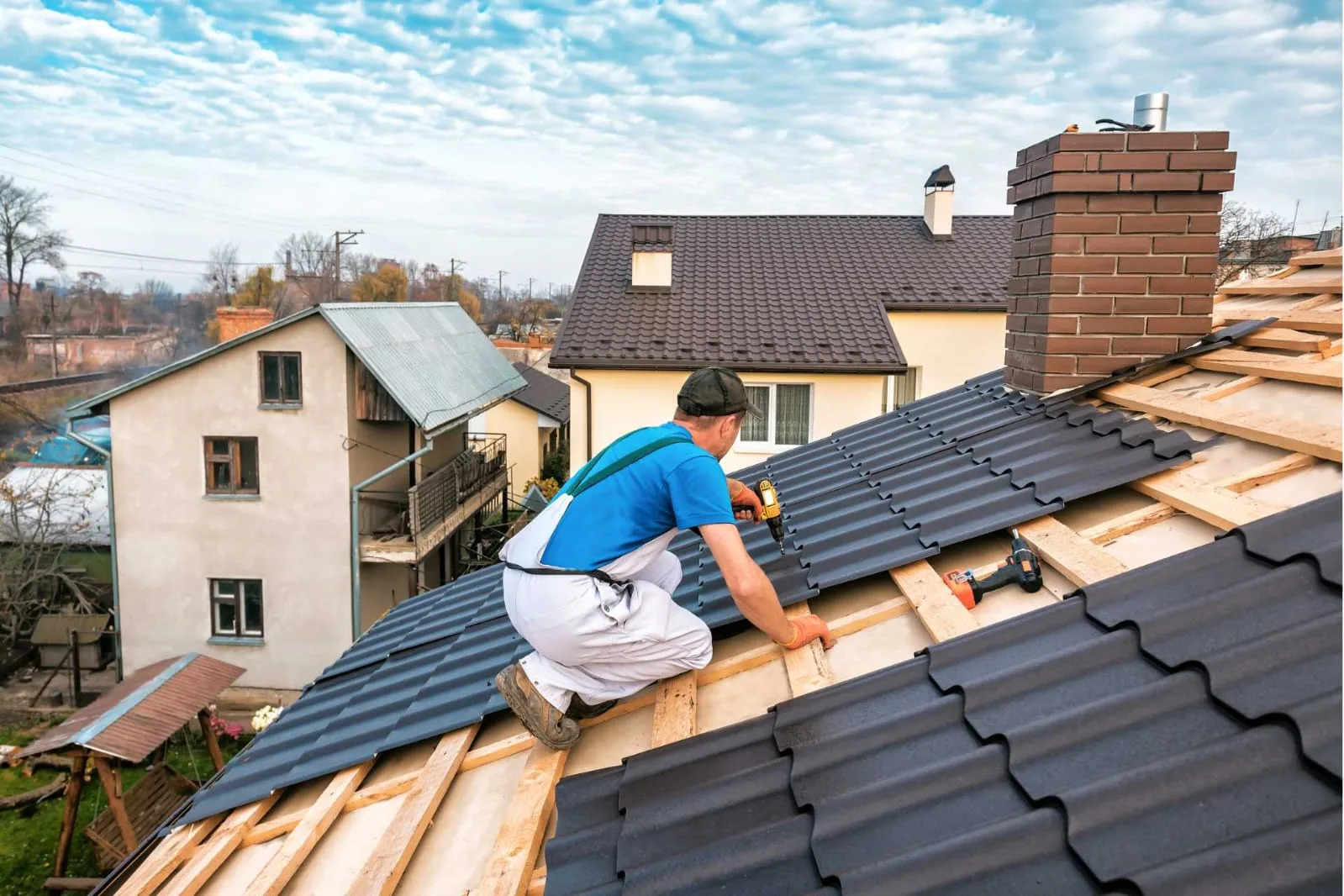
Your roof is one of the most important parts of your home. It protects your family, belongings, and the structure of your property from rain, wind, heat, and other environmental elements. However, like every part of a house, a roof doesn’t last forever. Over time, weather exposure and normal wear can weaken roofing materials, leading homeowners to wonder how to know if your roof needs to be replaced.
Recognizing the warning signs early can help prevent expensive repairs, water damage, and structural problems. While some roofing issues can be fixed with simple repairs, others indicate that a complete roof replacement may be the safest and most cost-effective solution.
Why Roof Replacement Matters
A damaged roof can cause more than just leaks. Ignoring roofing problems can lead to:
- Water damage inside the home
- Mold and mildew growth
- Higher energy bills
- Structural deterioration
- Reduced property value
- Safety concerns
Replacing an aging or damaged roof at the right time can protect your investment and provide peace of mind.
Consider the Age of Your Roof
One of the first ways to determine how to know if your roof needs to be replaced is by considering its age.
Different roofing materials have different life expectancies:
- Asphalt shingles: 20–30 years
- Metal roofing: 40–70 years
- Tile roofing: 50 years or more
- Wood shingles: 20–30 years
If your roof is approaching the end of its expected lifespan, it may be time to schedule a professional inspection, even if there are no obvious problems.
Missing or Damaged Shingles
Missing shingles are one of the clearest signs that your roof may need attention.
Strong winds, storms, and aging can cause shingles to:
- Crack
- Curl
- Break
- Fall off entirely
A few missing shingles can sometimes be repaired. However, widespread damage often indicates that the entire roofing system is deteriorating.
Damaged shingles reduce your roof’s ability to keep moisture out and can lead to significant problems if left untreated.
Curling and Buckling Shingles
Shingles that are curling at the edges or buckling in the middle often indicate aging and weather damage.
Curling shingles may result from:
- Excessive heat exposure
- Poor ventilation
- Moisture problems
- Natural aging
When shingles lose their shape, they become less effective at protecting your home from water intrusion.
Granules in the Gutters
Asphalt shingles contain protective granules that help shield the roof from ultraviolet rays and harsh weather conditions.
If you notice large amounts of granules in your gutters or downspouts, your shingles may be reaching the end of their lifespan.
Excessive granule loss can lead to:
- Faster deterioration
- Increased sun damage
- Reduced waterproof protection
Granule loss is often one of the early indicators that roof replacement may soon be necessary.
Frequent Roof Leaks
A leaking roof is one of the most obvious warning signs.
Common signs of leaks include:
- Water stains on ceilings
- Damp walls
- Mold growth
- Dripping water during storms
While minor leaks can sometimes be repaired, multiple leaks occurring in different areas of the roof often suggest more widespread damage.
Repeated repairs may become more expensive than replacing the entire roof.
Sagging Roof Areas
A sagging roof is a serious issue that should never be ignored.
Roof sagging may result from:
- Structural damage
- Water infiltration
- Rotting wood
- Excessive weight from debris or moisture
A sagging roof can pose significant safety risks and may indicate that immediate replacement is necessary.
If you notice any areas of your roof appearing uneven or drooping, contact a roofing professional promptly.
Sunlight in the Attic
One simple way to inspect your roof is to visit your attic during daylight hours.
If you can see sunlight entering through the roof boards, there may be:
- Cracks
- Holes
- Missing materials
- Structural weaknesses
Light penetration often means moisture can also enter your home.
Inspecting your attic regularly can help identify roofing issues before they become severe.
Increasing Energy Bills
Many homeowners don’t realize that roofing problems can affect energy efficiency.
An aging roof may allow:
- Heat to escape during winter
- Excessive heat to enter during summer
- Air leaks and poor insulation performance
If your energy bills are increasing unexpectedly, your roof may no longer be providing adequate protection and insulation.
Replacing an old roof can improve energy efficiency and reduce monthly utility costs.
Moss, Mold, and Algae Growth
Small amounts of moss or algae may not be cause for concern, but extensive growth can indicate trapped moisture.
Moisture retention can lead to:
- Wood rot
- Shingle deterioration
- Structural damage
Persistent mold or moss problems may suggest that your roofing materials are failing and require replacement.
Storm Damage
Severe weather is one of the leading causes of roof damage.
Storms can cause:
- Missing shingles
- Cracks
- Punctures
- Hail damage
- Water intrusion
After major weather events, it’s important to inspect your roof or schedule a professional evaluation.
Sometimes damage is not immediately visible but can still compromise the roof’s integrity.
Multiple Repair Needs
One of the easiest ways to determine how to know if your roof needs to be replaced is to evaluate how often you’re paying for repairs.
If you find yourself frequently repairing:
- Leaks
- Missing shingles
- Flashing damage
- Water problems
A full replacement may be more cost-effective than continuing to invest in repeated repairs.
Benefits of Replacing Your Roof
Although roof replacement is a significant investment, it offers several important advantages.
Improved Protection
A new roof provides better defense against weather and water damage.
Increased Property Value
A recently installed roof can enhance your home’s market appeal.
Better Energy Efficiency
Modern roofing materials often provide improved insulation.
Reduced Maintenance Costs
A new roof typically requires fewer repairs and maintenance expenses.
Greater Peace of Mind
Knowing your home is properly protected offers valuable reassurance.
When to Call a Roofing Professional
While some signs of roof damage are easy to spot, others may require professional evaluation.
A roofing contractor can:
- Inspect the roof thoroughly
- Identify hidden problems
- Estimate remaining roof lifespan
- Recommend repairs or replacement
- Provide maintenance advice
Professional inspections are especially valuable if your roof is older or has experienced severe weather.
Tips for Extending Roof Life
Although every roof eventually requires replacement, proper maintenance can help maximize its lifespan.
Helpful maintenance tips include:
- Clean gutters regularly.
- Remove debris from the roof.
- Trim overhanging branches.
- Inspect the attic periodically.
- Address small repairs promptly.
- Schedule professional inspections.
Regular maintenance can help identify issues early and prevent costly damage.
Conclusion
Understanding how to know if your roof needs to be replaced can help homeowners protect their property and avoid expensive structural problems. Warning signs such as missing shingles, leaks, granule loss, sagging areas, and increasing repair costs often indicate that a roof is nearing the end of its useful life.
While some issues can be repaired, extensive or recurring damage may make replacement the better long-term solution. A new roof provides improved protection, better energy efficiency, and greater peace of mind.
If you’re unsure about your roof’s condition, scheduling a professional inspection is one of the best ways to determine whether repairs are sufficient or if it’s time for a complete roof replacement.