How to Layer FR Clothing for Cold-Weather Work
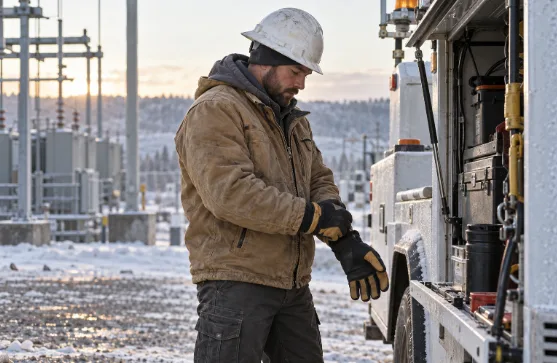
Cold-weather work is not just about wearing the thickest jacket available. Too little insulation can leave you cold and distracted, while too much bulk can make it harder to climb, bend, handle tools, or operate equipment safely.
A more practical approach is to build a flame-resistant clothing system with three parts: a base layer, an insulating middle layer, and a protective outer layer. Each has a different job, and together they can provide warmth without limiting movement.
Start With the Jobsite Hazards
Before choosing what to wear, check the PPE requirements for the job. Electrical, welding, utility, oil and gas, and industrial workers may be exposed to arc flash, flash fire, sparks, or other thermal hazards.
Warm clothing is not automatically flame-resistant. Check the label on each garment for its arc rating, PPE category, certifications, and care instructions. Workplace rules and the employer’s hazard assessment should always come before personal preference.
The clothing worn underneath an FR jacket also matters. A protective outer layer cannot always prevent an unsuitable shirt from melting when exposed to intense heat.
Choose the Right Base Layer
The base layer sits next to the skin and helps manage sweat. Even in freezing conditions, physical work can make you perspire. When your activity slows, damp clothing can pull heat away from your body and make you feel colder.
Choose an FR-rated base layer that fits close to the body without restricting movement. It should feel comfortable throughout the shift and help move moisture away from the skin.
Avoid wearing ordinary polyester, nylon, or other meltable fabrics unless they are specifically designed and approved for the hazard. These materials may melt under high heat and make an injury more serious.
Add an FR Hoodie for Insulation
The middle layer provides most of the warmth. An FR hoodie works well because it adds insulation without being as bulky as many winter coats.
Match the hoodie’s weight to the weather and your activity level. A lightweight style is useful in cool conditions or during physically demanding tasks. A midweight hoodie provides more warmth for everyday winter work, while heavyweight fleece is better suited to low temperatures, strong wind, or jobs involving long periods of standing still.
The Bocomal fr-hoodies collection includes lightweight and heavyweight options in pullover, full-zip, and quarter-zip styles. This makes it easier to choose a middle layer based on the temperature, the amount of movement required, and how often you need to remove it.
The hoodie should leave enough room for a base layer without hanging too loosely. Excess fabric can catch on equipment, interfere with tools, or make the outer jacket fit poorly.
Pick a Practical Closure
Pullover, full-zip, and quarter-zip hoodies suit different working conditions.
A pullover has fewer openings and usually sits smoothly under a jacket. It is a practical choice when you expect to keep the hoodie on throughout the shift. A full-zip design is easier to remove and allows quicker temperature adjustment. A quarter-zip offers some ventilation while keeping the front relatively simple.
Keep the closure properly secured whenever full garment coverage is required.
Be careful when wearing a hood with a hard hat. A thick hood may affect the suspension, stability, hearing, or peripheral vision. Follow the hard-hat manufacturer’s instructions and workplace policy rather than assuming that any hood can be worn underneath it.
Finish With a Protective Outer Layer
The outer layer protects against wind, moisture, abrasion, and jobsite debris. In colder conditions, wear an FR jacket or insulated FR coat over the hoodie.
The jacket needs enough space for the layers underneath, but it should not be excessively large. Loose clothing can create a snagging risk and make movement less controlled. Before starting work, raise your arms, bend, squat, and reach to make sure the clothing maintains coverage without pulling or bunching.
Water-repellent and waterproof are not the same. A water-repellent jacket may handle light moisture, but steady rain or wet snow can still enter through the fabric, seams, cuffs, or zipper. Long periods in wet conditions may require compatible FR rainwear.
Brands such as Bocomal offer different types of flame-resistant workwear for changing temperatures. Still, the rating and intended use of every garment should be checked individually.
Remember Your Hands, Feet, Head, and Neck
Cold hands can reduce grip and dexterity, while cold feet can make it difficult to stay comfortable during a long shift. Choose gloves that provide the required protection without preventing safe tool handling. Socks and insulated work boots should keep feet warm without being so tight that they affect circulation.
FR balaclavas, neck gaiters, and other approved accessories can provide additional coverage. Make sure they work correctly with hard hats, face shields, hearing protection, respirators, and fall-protection equipment.
Adjust the Layers as You Work
The main benefit of layering is flexibility. You may feel cold while standing still but become hot after climbing, lifting, or carrying equipment.
Adjust or remove a layer before you begin sweating heavily, provided the required protection level is maintained. Add it again during breaks, less active tasks, or falling temperatures. A dry spare layer can also be useful during a long shift.
Finally, inspect FR clothing for holes, worn areas, damaged seams, broken closures, and contamination. Follow the manufacturer’s washing instructions. A reliable winter system is simple: keep the base layer dry, use the middle layer for warmth, and let the outer layer handle the weather.