How to Layer Skincare Products for Maximum Results
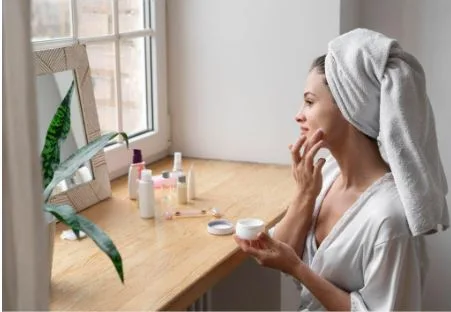
A great skincare routine is not just about choosing high-quality products, it is also about using them in the correct order. Even the most effective skincare ingredients may not perform as intended if they are applied incorrectly. Understanding how to layer skincare products helps ensure that each product can absorb properly and deliver its intended benefits.
Many people invest in cleansers, treatments, and moisturizers but are unsure about the right sequence. Should serum go before moisturizer? When should sunscreen be applied? Does the order really matter?
The answer is yes. Proper layering allows products to work together instead of competing for space on your skin. Whether your goal is hydration, brightening, anti-aging support, or maintaining a healthy complexion, knowing how to layer your skincare products can help you achieve better results.
Why Skincare Layering Matters
Each skincare product has a specific purpose and formulation. Some products are lightweight and designed to penetrate deeply into the skin, while others create a protective barrier on the surface.
Applying products in the wrong order can prevent active ingredients from reaching the areas where they are most effective. For example, applying a heavy cream before a lightweight treatment serum can reduce the serum’s ability to absorb properly.
The general rule of skincare layering is to apply products from the thinnest consistency to the thickest. This allows lighter formulations to penetrate the skin before heavier products seal everything in.
A properly layered routine can help improve hydration, enhance product performance, and create a smoother, healthier-looking complexion.
Start with a Gentle Cleanser
Every skincare routine begins with cleansing. Throughout the day, your skin accumulates dirt, oil, sweat, makeup, and environmental pollutants. Cleansing removes these impurities and creates a clean surface for the rest of your skincare products.
Choose a cleanser that matches your skin type and concerns. People with dry skin may prefer a hydrating cleanser, while those with oily or acne-prone skin may benefit from a formula designed to remove excess oil.
Avoid harsh cleansing products that leave your skin feeling tight or stripped. Over-cleansing can disrupt the skin barrier and lead to irritation or dryness.
A clean canvas allows every product applied afterward to work more effectively.
Apply Toner if Desired
Toners have evolved significantly over the years. Modern formulas are designed to hydrate, balance, and prepare the skin rather than simply remove excess oil.
After cleansing, apply toner to help refresh the skin and support moisture retention. Depending on the formula, a toner may also provide soothing, brightening, or exfoliating benefits.
Hydrating toners are particularly useful for people who want an extra layer of moisture in their routine.
While toner is not mandatory, it can be a valuable addition for those seeking enhanced hydration and product absorption.
Use Treatment Products Next
Treatment products are designed to address specific skincare concerns such as uneven skin tone, visible signs of aging, dryness, or blemishes.
Because these products contain concentrated active ingredients, they should generally be applied before heavier moisturizing products.
This step often includes targeted treatments such as vitamin C products, niacinamide formulas, hydrating treatments, or exfoliating solutions.
Applying treatment products early in your routine gives them direct contact with the skin and maximizes their effectiveness.
Apply Serums for Targeted Benefits
One of the most important steps in a modern skincare routine is the use of Serums and Moisturizers. Serums are lightweight formulations designed to deliver concentrated active ingredients deep into the skin.
Different serums address different concerns. Some focus on hydration, while others target brightness, texture, firmness, or environmental stress.
Because serums typically contain smaller molecules than creams, they should be applied before heavier products.
When using multiple serums, apply them from the thinnest consistency to the thickest. Allow each serum a few moments to absorb before applying the next product.
The right serum can help support smoother, healthier-looking skin and enhance the overall effectiveness of your routine.
Don’t Forget Eye Care
The skin around the eyes is thinner and often more delicate than the rest of the face. This area may show visible signs of fatigue, dryness, or aging earlier than other areas.
Eye creams and eye treatments are typically applied after serums but before moisturizer.
Use a small amount and gently tap the product around the orbital bone using your ring finger. Avoid rubbing or pulling at the skin.
Consistent use of eye treatments can help maintain hydration and support a refreshed appearance.
Lock Everything In with Moisturizer
Moisturizer plays a critical role in every skincare routine, regardless of skin type. Even oily skin benefits from proper hydration.
A moisturizer helps seal in the products applied earlier while supporting the skin’s natural moisture barrier. It can also reduce moisture loss and help maintain a smoother appearance throughout the day.
People with dry skin may prefer richer creams, while those with oily or combination skin often benefit from lightweight gel or lotion formulas.
Applying moisturizer after treatment products helps lock in hydration and supports overall skin health.
Sunscreen: The Most Important Morning Step
No skincare routine is complete without sunscreen. Daily sun protection is one of the most effective ways to support healthy-looking skin and reduce the visible effects of premature aging.
Sunscreen should always be the final step in your morning skincare routine.
Even the most advanced skincare products cannot fully compensate for ongoing UV exposure. Consistent sunscreen use helps protect the skin from sun-related damage and supports long-term skin health.
Choose a broad-spectrum sunscreen with an SPF of at least 30 and apply it generously to all exposed areas.
If you spend extended time outdoors, remember to reapply throughout the day as directed.
How Your Morning Routine Should Look
A basic morning skincare routine often follows this sequence:
Cleanser → Toner → Treatment Products → Serum → Eye Cream → Moisturizer → Sunscreen
This order allows each product to perform its intended function while supporting the overall health and appearance of the skin.
Morning routines typically focus on protection, hydration, and preparation for daily environmental exposure.
How Your Evening Routine Should Look
Evening skincare routines are often slightly different because they focus on recovery and repair.
A typical nighttime routine may include:
Cleanser → Toner → Treatment Products → Serum → Eye Cream → Moisturizer
Without the need for sunscreen, nighttime provides an opportunity to use products that support skin renewal and hydration while you sleep.
Many people choose to use richer moisturizers or overnight treatments in the evening to maximize hydration.
Tips for Layering Multiple Active Ingredients
As skincare routines become more advanced, many people incorporate multiple active ingredients into their regimen. While this can be beneficial, it is important to introduce new products gradually.
Using too many active ingredients at once can increase the risk of irritation and make it difficult to identify which product is causing a reaction.
Start slowly and observe how your skin responds. If you use multiple treatment products, consider alternating them on different days if necessary.
Pay attention to how your skin feels and adjust your routine based on its needs.
Common Skincare Layering Mistakes
One of the most common mistakes is applying products too quickly. Allowing products a brief moment to absorb can improve overall performance.
Another mistake is using more product than necessary. Applying excessive amounts rarely produces better results and may lead to waste or irritation.
Skipping moisturizer is also a frequent error. Many people assume that oily skin does not require hydration, but every skin type benefits from proper moisture balance.
Inconsistent sunscreen use can also undermine the benefits of an otherwise excellent skincare routine.
Consistency and patience are often more important than using a large number of products.
Adapting Your Routine to Seasonal Changes
Your skin’s needs can change throughout the year. Colder weather may increase dryness, while warmer temperatures often lead to increased oil production.
Review your skincare routine periodically and adjust products as needed. You may benefit from richer moisturizers during winter and lighter formulations during summer.
Listening to your skin and making seasonal adjustments can help maintain balance and comfort year-round.
The Key to Better Skincare Results
The effectiveness of your skincare routine depends not only on the products you choose but also on how you use them. Proper layering helps ensure that each product can absorb correctly and deliver its intended benefits.
By following a logical order—starting with cleansing, applying lightweight treatments first, sealing in moisture, and finishing with sunscreen during the day—you can maximize the performance of your skincare routine.
Whether you are new to skincare or refining an existing regimen, understanding how to layer products properly is one of the simplest ways to support healthier-looking skin. With consistency, patience, and the right approach, your skincare products can work together more effectively to help you achieve your skin goals.