How to Maintain Better Water Quality During Extended Camping Trips
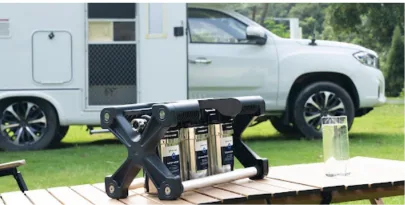
Extended camping trips allow RV owners to spend more time exploring destinations without constantly returning home. Whether staying at a lakeside campground, traveling through national parks, or visiting several locations over a few weeks, access to dependable water is essential. Water is used throughout the day for drinking, cooking, washing, and cleaning, so managing its quality deserves attention. Choosing the best rv water filter system can help address selected water-quality concerns while supporting a more organized routine during longer journeys.
Why Water Maintenance Becomes More Important on Long Trips
A suitable water filter system for rv setup can provide an additional filtration stage when traveling between different water sources. During an extended journey, an RV may connect to several campground supplies, each with its own characteristics.
One location may have noticeable chlorine taste, while another may contain more suspended sediment. Changes in water conditions can also affect the performance and service life of filtration cartridges.
Regular monitoring helps travelers recognize problems early instead of waiting until water flow becomes restricted or the system develops an unpleasant odor.
Plan Your Water Needs Before Departure
Before beginning an extended trip, estimate how much water your household uses each day. Consider drinking, cooking, washing dishes, personal hygiene, and other regular activities.
The amount required depends on the number of travelers, the length of the journey, and the facilities available at each campsite.
Check the capacity of your fresh-water tank and determine how often you may need to refill it. If you expect to stay at campgrounds with water connections, inspect your hoses and fittings before departure.
Planning ahead can reduce unnecessary stops and help you identify which supplies and accessories should be included in your travel equipment.
Check Water Sources at Every New Location
Do not assume that water conditions will remain the same throughout a trip. Different campgrounds may use municipal water, private wells, or other supply arrangements.
Ask the campground staff about the source and whether any water-quality notices are currently in effect. Pay attention to information concerning maintenance, unusual discoloration, or temporary restrictions.
If you are using an unfamiliar private well, appropriate testing may be necessary to understand its characteristics. Clear water does not automatically mean that every possible contaminant is absent.
Following local guidance is particularly important when traveling with children or other people who depend on the RV’s water supply.
Use Filtration That Matches Your Water Concerns
Different filtration technologies are designed for different purposes. A sediment filter captures suspended particles within its rated range, while activated carbon can reduce certain substances associated with unpleasant taste and odor.
A multi-stage system combines different filter elements in one arrangement. This can be convenient for travelers who want to manage several common water-quality concerns through a dedicated RV setup.
The GlacierFresh AUQAGO RV filtration system is described as a three-stage arrangement that includes sediment and carbon block filtration with an additional final stage. Review the product’s current technical information to understand its specific capabilities and limitations.
Do not assume that every filtration system removes bacteria, viruses, heavy metals, or all dissolved contaminants. Check the published performance claims and any applicable independent certifications.
Monitor Filter Performance During the Journey
A filter that performs normally at the beginning of a trip may require attention later, especially when the incoming water contains substantial sediment.
Check the water flow regularly and inspect the housing for leaks. A noticeable reduction in flow may indicate a clogged cartridge, although a restricted hose, closed valve, or low campground pressure can cause similar symptoms.
Keep track of cartridge installation dates and follow the manufacturer’s replacement schedule. Filter life depends on the product, water consumption, and incoming water conditions.
Carrying compatible spare cartridges can be useful when traveling through remote areas where replacement supplies may be difficult to find.
Keep Hoses and Connectors Clean
Hoses and connectors are exposed to dirt, moisture, and outdoor conditions throughout an extended trip. Their condition can influence the cleanliness of the overall water system.
Use potable-water-rated hoses and inspect them before each connection. Keep hose ends away from the ground and use protective caps when they are disconnected.
Check washers and fittings for damage, and replace components that show signs of wear. A small leak may seem harmless initially but can create inconvenience when it continues over several days.
When storing hoses between destinations, drain excess water and keep them in a clean, protected location.
Maintain the Fresh-Water Tank
Some RV travelers use their onboard tank when staying at locations without a direct water connection. Regular maintenance helps keep this part of the system in suitable condition.
Clean and sanitize the tank according to the vehicle manufacturer’s instructions. Follow the recommended procedure for the tank, plumbing lines, and any connected equipment.
Avoid leaving water unused for long periods without following the appropriate maintenance guidance. If the RV has been stored between trips, inspect the system before returning it to regular use.
Pay attention to unusual smells, visible residue, and leaks. If you suspect contamination, investigate the source and follow appropriate cleaning or testing recommendations.
Manage Water During Hot and Cold Weather
Weather conditions can create additional challenges during extended camping trips.
In hot environments, store hoses, cartridges, and filtration equipment according to their temperature recommendations. Avoid leaving equipment exposed to direct sunlight or excessive heat when the manufacturer advises against it.
In cold locations, protect exposed plumbing from freezing. Water can expand when it freezes, potentially damaging hoses, filter housings, and pipes.
Use the RV manufacturer’s winterization procedures when required. Before reconnecting the water supply after freezing conditions, inspect the system carefully for cracks and leaks.
Follow Official Water Safety Instructions
Filtration equipment is not a replacement for public-health guidance. If a campground or local authority issues a boil-water advisory, follow the exact instructions provided.
Standard sediment and carbon filters should not be assumed to remove harmful microorganisms. Some water-quality problems require specific treatment methods that ordinary RV filtration products are not designed to provide.
If water has unusual color, taste, or odor, contact campground management and investigate the source. For potentially unsafe supplies, use an appropriate alternative until the issue is resolved.
Establish a Daily and Weekly Maintenance Routine
A simple routine can make water management easier during a long journey.
Each day, check for visible leaks and unusual changes in water flow. Make sure hoses remain secure and are not damaged by vehicle movement or outdoor equipment.
Once a week, inspect accessible fittings and the filter housing. Review your cartridge maintenance record and check whether any replacements are approaching their recommended service date.
At each new campground, repeat the connection inspection and review local water information. These small habits help keep the system organized without requiring a complicated maintenance process.
Conclusion
Maintaining water quality during extended camping trips requires more than installing a filter. Travelers should understand their water sources, keep tanks and hoses clean, monitor cartridge performance, and follow official safety instructions.
A suitable filtration arrangement can help address selected taste, odor, and sediment concerns, while consistent maintenance supports the rest of the RV plumbing system.
With preparation and regular inspections, RV owners can manage their water supply more confidently and focus on enjoying the destinations along the way.