How to Maintain Healthy Toenails and Prevent Painful Foot Conditions
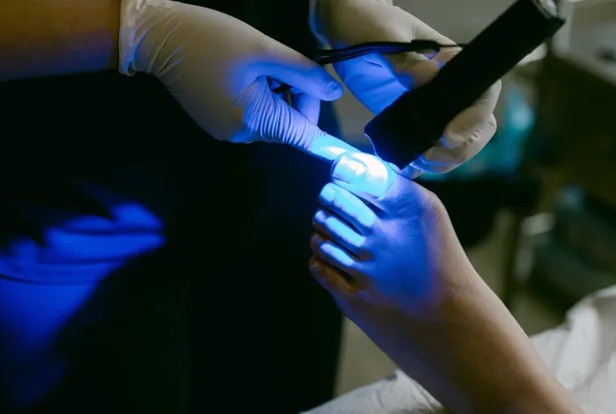
Toenails may seem like a small detail in personal care, but they help protect the ends of the toes from everyday pressure and minor injuries. When a nail becomes painful or the surrounding skin starts to swell, even simple activities such as walking or wearing shoes can become uncomfortable.
The good news is that healthy toenails usually start with a few straightforward habits. Proper trimming, comfortable footwear, and regular checks can help reduce the risk of common problems and make it easier to notice changes before they become more serious.
Start With the Right Nail-Trimming Technique
One of the simplest ways to care for your toenails is to trim them correctly. Use clean nail clippers and cut straight across rather than rounding the corners deeply.
Cutting nails too short can leave the surrounding skin vulnerable to irritation. Similarly, digging into the corners may encourage the nail edge to press into the skin as it grows.
It is also best to avoid tearing off broken nail pieces or using sharp tools to remove small sections from beneath the nail. These habits can cause injuries that are difficult to manage, especially when the skin is already sore.
If a toenail becomes unusually thick, discoloured, or difficult to trim, it may be worth seeking professional advice rather than trying to correct it aggressively at home.
Choose Shoes That Fit Your Feet
Footwear can affect toenail health more than many people realize. Shoes that squeeze the toes together create pressure around the nail edges, particularly during long walks, exercise, or extended periods of standing.
When buying shoes, make sure the toes have enough room to move naturally. The front of the shoe should not press against the toenails, and the sides should not pinch the feet.
Sports footwear deserves particular attention. Running shoes that are too short may allow the toes to repeatedly strike the front of the shoe, increasing the risk of soreness and nail injuries.
If you notice that one toe becomes painful after wearing a particular pair of shoes, check the fit rather than assuming the discomfort will disappear on its own.
Recognize the Signs of an Ingrown Toenail
An ingrown toenail develops when the side or corner of a nail presses into the surrounding skin. It often affects the big toe and may begin with mild tenderness.
You might first notice discomfort when putting on closed shoes. The skin beside the nail may then become red, swollen, or increasingly sensitive to pressure.
Several factors can contribute to the problem, including incorrect nail trimming, narrow footwear, repeated toe injuries, and naturally curved nails.
If the condition worsens, walking may become uncomfortable. In some cases, the surrounding tissue becomes infected and develops drainage.
Understanding the common signs of an Ingrown toenail can help you recognize when professional assessment may be necessary.
What to Do When Your Toenail Becomes Painful
The first step is to avoid adding more pressure to the affected toe. Roomier footwear may help reduce discomfort, particularly if tight shoes appear to be aggravating the problem.
Do not attempt to dig beneath the nail or cut out a painful corner. These methods can damage the skin and may introduce infection.
If the pain persists, keeps returning, or is accompanied by significant redness and swelling, arrange a professional assessment. A clinician can examine the nail and determine whether conservative care or another treatment approach is appropriate.
Seek prompt medical attention if there is pus, spreading redness, severe pain, or fever. People with diabetes, poor circulation, or reduced sensation should seek advice early rather than attempting home procedures.
How Professional Foot Care Can Help
Recurring toenail problems may have an underlying cause that is not obvious at first. Nail shape, footwear, pressure, and previous injuries can all play a role.
A clinician can examine the nail and surrounding tissue, identify possible contributing factors, and explain the available options.
For some people, changes to nail care and footwear may be sufficient. In other cases, a procedure may be needed to address the part of the nail causing the problem.
People considering Ingrown toenail treatment can discuss suitable options with a qualified professional. Anyone experiencing recurring foot discomfort can also consult a Podiatrist in Singapore for assessment and individualized guidance.
Make Toenail Care Part of Your Routine
You do not need an elaborate foot-care routine to protect your toenails. Trim them carefully, keep your feet clean and dry, and wear shoes that fit properly.
Check your feet occasionally, especially after exercise or a long day in closed footwear. Look for tenderness, redness, swelling, and changes in nail appearance.
If a problem keeps returning in the same toe, do not simply repeat the same home treatment. Consider whether the nail shape or footwear may be contributing and seek advice when needed.
Conclusion
Healthy toenails depend on consistent care rather than occasional attention. Correct trimming, suitable footwear, and early recognition of unusual symptoms can help reduce the risk of painful nail problems.
If a toenail becomes persistently painful or shows signs of infection, avoid attempting to remove the affected section yourself. Professional assessment can help identify the cause and guide appropriate care before the problem interferes further with daily activities.