How to Manage and Respond to Worsening Vein Symptoms During Warm Weather
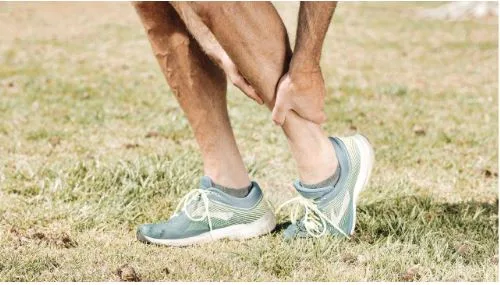
If you have pre-existing vein issues, you probably dread every summer. Hot weather can make any symptoms you otherwise only occasionally deal with—like swelling, fatigue, or a general feeling of heaviness in the legs—into a near-constant struggle.
The reason is pretty straightforward: heat causes blood vessels to widen. That helps your body release excess heat, but it also makes it easier for blood to pool in leg veins that are already struggling to move blood efficiently back toward the heart.
The good news is, a flare-up during summer doesn’t automatically mean your condition is rapidly progressing. But it does mean your legs may need a little more support than usual.
Do Not Sit Still for Prolonged Periods
When your legs feel uncomfortable, sitting down sounds logical. Unfortunately, veins don’t care much about logic.
Blood relies heavily on your calf muscles to help move it upward against gravity. So if you spend hours sitting at a desk, parked on a beach chair, or standing in one spot at an outdoor event, your circulation is bound to slow down. And that’s often when symptoms start showing up.
A simple ten-minute walk after lunch helps, and so does getting up every hour instead of remaining glued to a chair all afternoon. Even simple ankle movements while you’re working can help keep blood moving.
Beat Swelling Before It Shows Up
Many people don’t notice swelling until their shoes tell them. But by that point, fluid has often been accumulating for hours.
If your legs feel tight, tired, or strangely full at the end of the day, elevation can help. But it only works if gravity actually gets a chance to do its job. Resting your feet on a low ottoman while scrolling through your phone isn’t quite the same thing.
Give yourself 15 to 20 minutes with your legs positioned above heart level when possible. It’s simple but this position helps gravity work in your favor and encourages fluid to move away.
Hydration, Hydration
There’s a strange myth that swollen legs mean you should drink less water. In reality, the opposite is usually true.
Here’s why: hot weather increases fluid loss, and dehydration can place additional stress on circulation and contribute to fluid retention. It may sound counterintuitive, but most people would benefit from drinking more water, not less. This is because dehydration causes the blood to become thicker (more viscous), which forces the veins to work even harder to pump it upward, exacerbating pooling.
Salt, however, can contribute to fluid retention, so consider consuming less. Or even adopting a low-sodium diet during summer.
Compression Stockings Still Work
People hear “compression socks” and picture something uncomfortable, medical-looking, or suitable only for grandparents. Modern options are a lot less dramatic than that.
For many patients, compression provides enough support to reduce swelling and heaviness before symptoms spiral later in the day. Not everyone needs them, and not every compression level is appropriate, but when they’re recommended, they often earn their place surprisingly quickly. Even during July.
Pay Attention When Symptoms Start Changing
Summer flare-ups are common, but progressive symptoms are different.
If discomfort sticks around despite your usual routine, swelling becomes more persistent, or daily activities start revolving around what your legs can tolerate, it’s probably time for a conversation with a specialist.
The same goes for skin changes, increasing pain, or veins that seem to become more prominent over a relatively short period.
If you’re searching for answers rather than temporary relief, experienced Bethlehem vein treatment specialists can help determine whether heat is simply aggravating an existing condition or whether the underlying vein disease itself is advancing.
A Few Summer Habits That Can Help
You probably don’t need a complicated vein-health plan. What tends to work is remarkably ordinary:
- Walk throughout the day instead of saving all activity for one workout
- Elevate your legs preventatively or at the end of the day
- Stay hydrated, especially during heat waves
- Use compression if your provider recommends it
- Avoid standing motionless for long stretches
- Schedule outdoor activities earlier in the morning when possible
- Take symptom changes seriously if they become persistent
Most people can’t avoid summer heat. But you can make life much easier on your veins.
And if your legs seem unusually uncomfortable every summer, that’s useful information. Your veins may be telling you something worth paying attention to long before a more serious problem develops.