How to Plan Party Food Without Over-Ordering
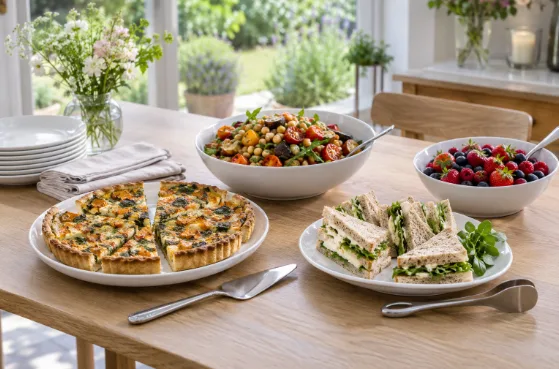
Ordering food for a party can turn into a series of small additions. Another platter in case people are hungry. An extra pudding for variety. A few more sandwiches because the table might look sparse. Each decision feels sensible, but together they can leave you paying for food that barely gets touched.
A better starting point is to work out what your guests will actually need to eat, and when. Whether you are organising the food yourself or discussing a menu with a caterer such as Hey Pesto, a clear brief makes it easier to judge quantities. Guest numbers matter, but so do the timing, serving style and other food already planned.
Decide whether you are serving a meal or a snack
An afternoon birthday gathering with cake and tea needs a different spread from an evening party that covers dinner. Before choosing dishes, write down the arrival time, food service time and likely finishing time. Then consider when guests will last have eaten.
Be clear on invitations too. “Lunch provided” and “drinks and light bites” set different expectations. If guests arrive expecting dinner, a few attractive canapés may leave them hungry, however generous the trays look.
For a longer celebration, consider each eating occasion separately. Guests having a substantial afternoon meal may want something smaller later, while people arriving only in the evening could need more. Give the caterer both numbers and the full timetable.
Count people once, then record their requirements
Keep one guest list with confirmed attendance, children’s ages and dietary requirements. Chase unanswered invitations before the deadline for final catering numbers, and check how late changes are handled.
Dietary requirements sit within that headcount. For example, if 50 guests include six vegetarians, those six usually need suitable meals within the order for 50. They are not six additional guests. People can also have overlapping requirements, so separate totals for vegetarian and gluten-free meals may accidentally count someone twice.
Ask parents what younger children are likely to eat, and include supplier meals if you have agreed to provide them. A photographer staying through dinner or an entertainer working all afternoon is easy to overlook. Decide any allowance for uncertain attendance with the caterer, using the actual guest list.
Build one balanced menu
Look at what a guest might put on a single plate. If the menu includes sandwiches, filled rolls, pasta salad, potatoes and bread, several dishes are doing a similar job. You may be able to remove one while keeping a satisfying meal.
Ask what each platter or tray serves in the context of the whole menu. A dish described as serving ten could mean ten main portions or ten smaller helpings alongside other food. Likewise, adding another buffet choice should prompt a review of the existing quantities.
Include a substantial option for guests who do not eat meat, with enough provision for others who might choose it. Where someone needs a particular meal, agree how it will be reserved and identified so it remains available when they eat.
Allergy arrangements need a separate conversation about ingredients, preparation and service. The Food Standards Agency’s allergen guidance for food businesses explains that caterers serving a buffet must make information available for each individual food item. Ask how guests will access that information and how cross-contamination will be managed. A vegan label alone does not establish that a dish is suitable for someone with a milk or egg allergy.
Serve the food in manageable amounts
A buffet does not have to display the entire order at once. Agree a replenishment plan, with reserve food stored at the appropriate temperature and fresh dishes brought out as needed. Smaller serving platters can also make a modest spread look inviting without using food simply to fill a large table.
If catering is delivered without staff, decide who will replenish dishes, replace serving utensils and follow the supplier’s storage and service instructions. Check that the venue has the fridge space and equipment the menu requires. These jobs become harder when everyone assumes somebody else is doing them.
Consider how guests will eat, too. People standing with a drink need food they can manage comfortably. Dishes requiring a knife and fork need suitable seating or table space; otherwise, food may go untouched for reasons that have little to do with appetite.
Include cake and late arrivals in the plan
Tell whoever is preparing the menu about food coming from elsewhere. A large birthday cake, a relative’s dessert or a separate evening snack can all affect the order. Decide when these will be served and whether they replace something already included.
If cake is the main dessert, arrange for it to be cut and offered while guests are still there. If people are arriving later, agree what will be available for them and how it will be kept safely until service.
Arrange leftovers before the party starts
Have clean containers and storage space ready, and ask the caterer which foods can be kept and what instructions apply. Food held safely in reserve may have different options from dishes that have been sitting on a buffet.
For home-cooked leftovers, the Food Standards Agency’s advice on using leftovers safely says to cool food and refrigerate it within two hours of cooking, then eat it within 48 hours or freeze it. Reheat only once, until steaming hot throughout. For catered food, follow the supplier’s instructions, including any shorter limits; the end of the party does not restart the storage clock.
Before placing the final order, check the headcount, eating times and complete menu together. Every addition should have a purpose: feeding a late arrival, meeting a dietary need or providing part of the meal. That makes it easier to offer guests plenty to enjoy without ordering another tray simply because there is room on the table.