
How to Plow Snow with Heavy Equipment
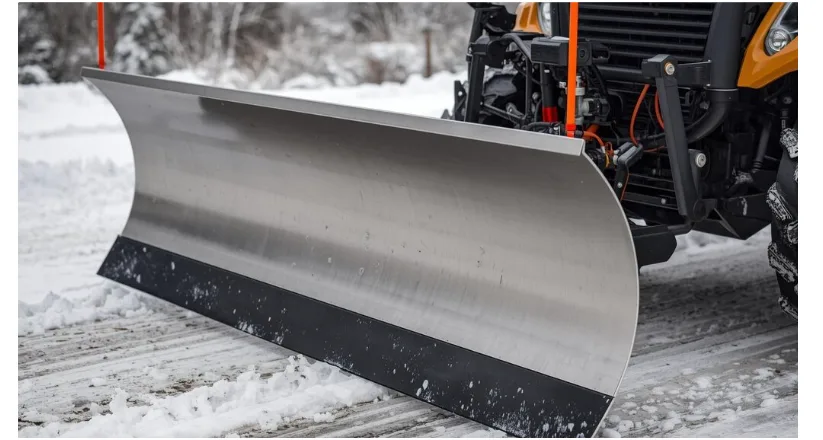
When winter slams your site or property with heavy snowfall, knowing how to plow snow properly transforms frustration into fast, safe productivity. Whether you’re using a skid steer, tractor, or wheel loader, successful plowing relies on planning, precision, and reliable equipment — not just horsepower.
This no‑nonsense guide streamlines what professionals do before, during, and after every snow event to work smarter, not harder.
Preparation
Installing a plow or bucket is only the start. Effective snow removal begins long before the white stuff hits the ground.
1. Survey and Mark the Area
Before the first flakes fall:
- Walk your site — flag curbs, landscape edges, manholes, and hidden obstacles.
- Use tall reflective stakes to remain visible through deep snow and at night.
- Confirm drainage routes so plowed snow won’t block meltwater paths later.
A few inexpensive markers can save thousands in property or equipment repair costs.
2. Plan Your Snow Stack Zones
Snow storage strategy matters:
- Designate piles downhill and out of the traffic flow.
- Keep piles away from entrances, sightlines, and drains.
- Plan for future storms by pushing initial banks well back to create room.
3. Inspect and Prep Your Machine
Your equipment’s condition determines both performance and safety.
Before starting:
- Top up engine oil, fuel, and hydraulic fluid.
- Check tire pressure and use chains when traction is limited.
- Test lights, strobes, and windshield wipers for visibility.
- Verify that your plow or bucket is properly mounted and all hydraulic lines are tight.
If you discover worn hoses, bent fittings, or failing electricals, replace them ahead of time with high‑durability FridayParts heavy equipment parts. Proper pre‑storm maintenance prevents costly breakdowns in the middle of the job.
How to Plow Snow (Step-by-Step)
Now comes the actual plowing. The key is using consistent patterns and moderate speed to stay efficient while minimizing stress on your machine.
1. Large, Open Areas (e.g., parking lots, job sites)
Start at the Center:
Push the snow outward toward your designated stacking zones. Working from the middle prevents boxed‑in areas and reduces the risk of overloading your blade.
Work in Manageable Passes:
Divide the area into multiple lanes rather than trying to push all the snow at once. Overloaded plows waste fuel and strain the hydraulics.
Angle Your Blade Appropriately:
A 25–30° blade angle allows snow to roll off the plow rather than walling up in front. This reduces backtracking and improves control.
Back‑Drag Around Buildings or Doors:
Lower the plow as you approach the structure, then pull backward. This clears tight spaces (docks, garages, storefronts) without damaging walls or curbs.
2. Narrow Roads and Driveways
Plow with the Flow:
Angle the blade so the snow rolls toward the downhill or downwind side. This allows natural melt and prevents later refreezing across the drive.
Don’t Let Snow Accumulate:
It’s always easier — and faster — to plow four inches twice than eight inches once. If snowfall is heavy, plow progressively throughout the storm.
Lift When Reversing:
Unless back‑dragging, raise the plow whenever you reverse to avoid catching pavement edges or damaging surfaces.
Recommended Speed
Keep your speed discipline tight:
- 5–10 mph (8–16 km/h) while plowing. Operate towards the lower end of this range on icy or uneven ground.
- Never travel at high speeds with the plow raised, as this makes the machine unstable. Always operate within your machine’s manufacturer-specified top travel speed and reduce speed significantly for slick or uneven terrain. Exceeding safe operating speeds risks damaging the machine and is a major safety hazard.
Stacking and Final Cleanup
Your final passes define the quality of the job — and how easy it is to manage the next storm.
1. Avoid Over Stack
Use your loader’s lift power to build tall, compact piles rather than wide ones that sprawl into work zones. Avoid over‑angled stacks that can slump or collapse later.
2. Keep Water Flowing
Make sure storm drains and culverts are not blocked. Clear channels prevent flooding and prevent refreeze hazards once temperatures rise.
3. Post‑Plow Machine Care
Don’t just park and walk away:
- Lower the plow fully to relieve hydraulic pressure.
- Remove snow and ice buildup from joints, radiators, and couplers.
- Conduct a quick visual inspection for bent edges or loosened fittings.
If any damage or component wear appears, swap it immediately using FridayParts heavy equipment parts to keep your machine reliable for the next round of work.
Pro Tips from Experienced Operators
- Start plowing once 1 inch (2.5 cm) accumulates — waiting longer makes work slower and tougher on your machine.
- Always wear high‑visibility clothing when operating near buildings or vehicles.
- Avoid stacking snow near roads, drains, or handicap parking zones.
- Push snow downwind to minimize drifting on cleared surfaces.
- Double‑check where your site owner or client wants snow to be piled before beginning work.
Final Words
Knowing how to plow snow efficiently isn’t just about controlling the blade — it’s about understanding the process from preparation to cleanup.
When you plan routes, respect surface conditions, and maintain your equipment properly, you ensure faster clears, safer operations, and longer machine life.