How to Prepare Your Child for a Private Preschool in Singapore
Key Takeaways
- Establish a consistent goodbye ritual to help your child manage separation anxiety before their first day.
- Practice simple self-care tasks such as hand-washing and putting away toys to build confidence in a group setting.
- Arrange playdates with peers to familiarise your child with the concepts of sharing and turn-taking.
Introduction
Starting school is a major milestone that brings a mix of excitement and nerves for both parents and toddlers. You likely notice your child becoming more curious about the world, reaching a stage where home play no longer satisfies their growing need for social interaction. Finding a reputable private preschool in Singapore is the first step, but preparing your little one for the actual transition requires a more personal touch. The shift from a one-on-one home environment to a bustling classroom involves significant changes in how a child perceives boundaries and daily routines. When you choose a private preschool, you are selecting a space that rewards independence and encourages peer-to-peer collaboration. Preparing for this change at home ensures that your child views their new school as a safe extension of their world rather than a place of uncertainty.
1. Establish a Consistent Morning and Bedtime Routine
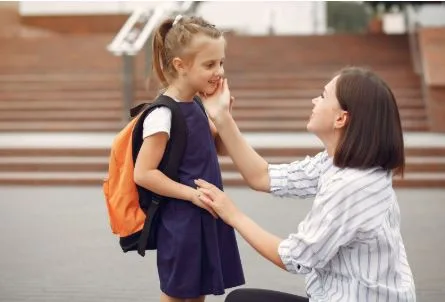
Children thrive on predictability, as it provides them with a sense of security in an otherwise fast-paced world. You should start adjusting your child’s sleep and wake-up times several weeks before they join a private preschool in Singapore to align with the school’s schedule. A calm morning routine that includes a nutritious breakfast and a relaxed get-ready process prevents the frantic rush that often triggers toddler meltdowns. When you arrive at your chosen private preschool, having a brief but firm goodbye ritual tells your child that you are leaving but will definitely return. Avoid lingering at the door, as this often heightens anxiety for the child and makes it harder for the teachers to settle the class. Consistency in these rituals builds trust and helps your child transition into school mode with much less resistance and fewer tears.
2. Encourage Basic Self-Care and Independence
In a classroom setting, being able to handle small tasks without constant adult intervention significantly boosts a child’s self-esteem. You can practice skills like putting on shoes, washing hands, and clearing away used plates during your daily meals at home. A private preschool usually expects students to manage their personal belongings, such as placing their water bottles in a designated cubby. By giving your child these small responsibilities now, you prepare them for the structured environment of a private preschool in Singapore, where independence is a core part of the curriculum. These habits reduce the frustration a child might feel when they see their peers managing tasks that they still find difficult.
3. Introduce the Concept of a Group Schedule
At home, your child may be used to eating or playing whenever they feel like it, but a school environment follows a more rhythmic flow. You can start introducing the idea of circle time or snack time at specific intervals during the day to mimic the structure of a private education centre. Use a visual timer or a simple picture chart to show your child the sequence of activities, helping them understand that there is a time for play and a time for quiet listening. Most programmes at a private preschool in Singapore move between indoor learning and outdoor play, so getting your child used to these transitions reduces the likelihood of midday fatigue.
4. Foster Social Skills Through Supervised Playdates
The ability to share a favourite toy or wait for a turn on the slide is a skill that requires constant practice and patience. Arrange regular playdates with children of a similar age to provide your child with a taste of the social dynamics found in a private preschool. Observe how your child handles conflict or disappointment and offer gentle guidance on how to use words instead of actions to express their feelings. A private preschool in Singapore provides a safe laboratory for these social interactions, but having a head start at home makes the process much less overwhelming. Encouraging your child to participate in group games helps them understand that being part of a class is a fun and rewarding experience.
5. Talk About School with Positive Language
Your own attitude towards education influences how your child perceives their upcoming adventure. Use books and stories about going to school to spark conversations about what they might see and do in a private preschool. Highlight the fun aspects, such as the new toys they will find, the songs they will sing, and the friends they will make during recess. When you visit a private preschool in Singapore for a tour, let your child explore the sensory tables or the reading corners to build a physical connection with the space. Avoid using school as a threat or a place of discipline; instead, frame it as a special place for big kids who are ready for new challenges.
Conclusion
The effort you put into preparation today determines the level of comfort your child feels as they take their first steps toward independence. By choosing a high-quality private preschool in Singapore, you provide your child with a professional environment that respects their unique pace of development. The routines and skills you establish at home act as a bridge, making the transition into a private preschool a natural and joyful progression. This period of early childhood is a fleeting and precious time, and a well-managed transition allows you to enjoy every milestone along the way. Your child’s success in their first school experience builds the resilience and curiosity they need for all the years of education that follow. Staying committed to these preparation steps ensures that the entire family navigates this change with confidence and ease.
Contact MapleBear Lavender and explore how the campus can warmly welcome your child.