How to Preserve Your Family History Before It’s Lost Forever
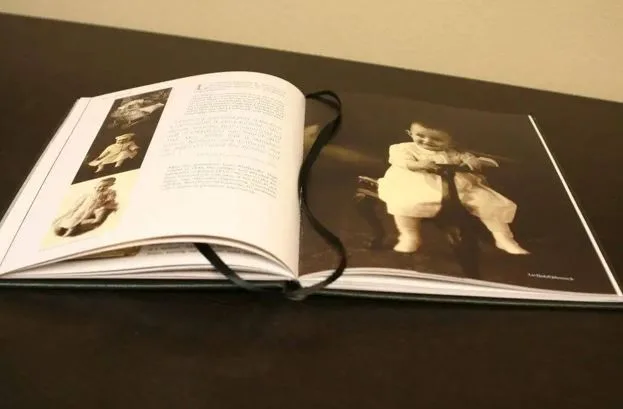
Memories, legacy, and tons of ancestral struggle, there are hundreds of untold stories that needs attention of our children and people years to come later. It shapes how we see ourselves in the past, present, and future as well. It’s where our family history lies.
Family stories, photographs, handwritten letters, and ancestral records carry emotional and cultural value that extends far beyond personal memory. Yet, without intentional effort, these treasures can easily fade away within a generation or two. This is where structured preservation through storytelling and publishing becomes essential.
It’s when we need family history book publishers to continue the legacy of who we are and how our ancestors have coped with the challenges of life.
Family history emphasizes the importance of reliable, well-documented information. When applied to genealogy and memoir creation, they remind us that family history is not just sentimental—it is historical documentation that deserves care, accuracy, and preservation.
- Why Family History Disappears So Easily?
One reason we are not able to hold on to our family history is not that families don’t have enough meaningful memories, but rather that they are scattered. Old photos sit in boxes, stories are remembered inconsistently, and documents are stored in fragile or outdated formats. Over time, memories fade, elders pass away, and valuable details are lost permanently.
Another major issue is the lack of structure. While many families talk about “someday writing things down,” very few actually organize their genealogy or turn it into a lasting format, such as a book. Without preservation, even the most extraordinary life stories risk being forgotten.
This is why working with professional genealogy book publishers can make a meaningful difference.
- Turning Memories into a Lasting Legacy
One of the most effective ways to preserve your heritage is to transform it into a professionally written and printed family history book. Unlike digital folders or social media posts, a printed book provides permanence, structure, and emotional depth.
A family history book typically includes:
- A documented family tree or genealogical timeline
- Personal stories from different generations
- Historical context tied to migration, culture, or major events
- Photographs, letters, and archival material
- Reflections and oral histories from living relatives
By organizing these elements into a cohesive narrative, families create something that can be passed down for generations.
This is where an experienced family book publisher comes into play. They specialize in transforming fragmented memories into professionally crafted narratives that preserve both history and identity.
- The Role of Professional Genealogy Book Publishers
Working with genealogy book publishers ensures that your family history is not only recorded but also curated with care and historical accuracy. Unlike self-published projects that may lack structure, professional publishers bring editorial expertise, design support, and archival knowledge.
Key benefits include:
- Structured Storytelling
Professional editors help organize raw information into a meaningful chronological or thematic flow. This makes the story easier to read and more engaging for future generations.
- Historical Accuracy
Genealogy-focused publishers often help verify dates, locations, and lineage connections, ensuring the final book reflects accurate heritage.
- Preservation Quality
High-quality printing and binding ensure the book physically lasts for decades, unlike digital files that may become obsolete.
- Emotional Crafting
Beyond facts, skilled writers help capture tone, personality, and emotion—bringing ancestors “to life” on the page.
- When Is the Right Time to Preserve Your Family Story?
Many people delay documenting their family history because they assume there is plenty of time. Unfortunately, this delay often results in irreversible loss. Once older relatives pass away, their stories, memories, and perspectives disappear with them.
Preserving family history now ensures:
- Oral histories are captured firsthand.
- Photographs can be properly identified.
- Cultural traditions are documented accurately.
- Future generations understand their identity.
A family history book is not just a project—it is a legacy safeguard.
- The Process of Creating a Family History Book
While every project is unique, most professional family history book publishers follow a structured process:
Step 1: Gathering Information
Families collect photos, documents, and recorded interviews from relatives.
Step 2: Story Development
Writers and editors shape raw material into narrative chapters, often focusing on key life events or generational stories.
Step 3: Editing and Verification
Information is reviewed for consistency, accuracy, and readability.
Step 4: Design and Layout
Photos, timelines, and family trees are integrated into a visually appealing format.
Step 5: Printing and Preservation
The final manuscript is printed as a durable hardcover book suitable for long-term preservation.
This structured process ensures that family memories are not only recorded but elevated into a meaningful historical document.
- Thinking Beyond the Book:
A professionally published family history book becomes more than reading material—it becomes a family heirloom. It can be shared at reunions, passed down to children, and preserved as part of a family’s identity.
Unlike digital archives and technology-driven memories, which are susceptible to loss, these books have greater weight and are closer to the hearts of the people who own them.
Final Thoughts
Preserving family history is one of the most meaningful acts of remembrance and identity-building a person can undertake. Without documentation, stories fade; with it, they become timeless.
Whether you are beginning your genealogy journey or looking to transform years of collected memories into a structured narrative, working with experienced family history book publishers ensures your legacy is preserved with care and professionalism.