How to Prevent Cheese Splitting in High-Volume Burger Kitchens
At a glance
- Cheese splitting occurs due to inconsistent heat, low product quality and improper handling.
- HI-Melt cheese, designed for high-heat use in foodservice, helps deliver a stable, consistent melt.
- Proper heat control and portioning reduce melting issues in burgers.
- Good storage and workflow alignment ensure consistent results during service.
Busy burger places operate at speed, but that should not compromise flavour or appearance. Even a small variation in heat application, timing and cheese quality can affect both.
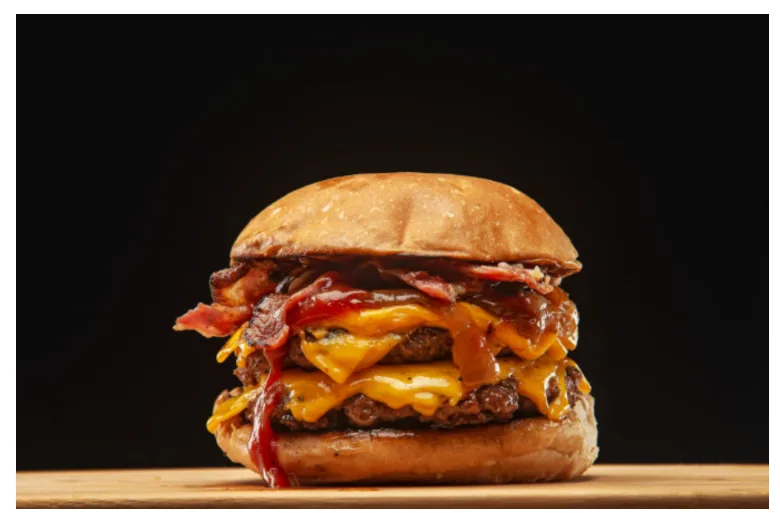
One of the most common issues that burger places face is cheese splitting, where cheese separates into oil and solids instead of melting smoothly. The issue is caused by factors such as inconsistent heat exposure, poor product selection and improper handling practices.
This article provides practical steps to prevent cheese splitting and achieve a more consistent melt in high-volume burger service. Following these steps, you can deliver more consistent burgers and maintain quality during peak service periods.
Choose Cheese Designed for High-Heat Burger Applications
Preventing cheese splitting in fast-paced kitchens is selecting cheese of the right size, format and quality. Burger restaurants should look for cheese designed for stable melt performance under heat, so it holds its structure and is less likely to release oil during cooking. For example, Hi-Melt Burger Cheese is designed for controlled melting and stable performance in burger applications.
Foodservice-grade cheese is made to deliver a more consistent formulation. This supports predictable batch-to-batch performance and helps reduce melt issues during service.
Likewise, avoid mixed or inconsistent-quality cheese products, as they often result in uneven melting and increase the risk of splitting during service.
Control Heat Exposure and Grill Conditions
In fast-paced burger operations, even small fluctuations in grill temperature can affect how cheese melts on burgers. Keeping the grill temperature stable helps prevent rapid fat release and surface oiling, which often leads to separation and cheese splitting in burgers.
Clearly defined cooking zones help maintain even heat across patties and support a more stable cheese melt. At the same time, avoiding excessive cooking or holding times is important. Prolonged heat exposure can weaken the cheese structure, leading to melting issues in burgers.
Standardise Cheese Portioning and Placement
Uneven portioning is one of the most common causes of melting issues. Using too much cheese can cause it to overheat and start separating before you even assemble the burger. On the other hand, too little cheese can melt unevenly and leave some parts of the patty uncovered.
Consistent slice size helps the cheese melt at a steady rate and spread evenly without becoming oily.
Where the cheese is placed matters just as much. Add the cheese when the patty has enough residual heat to melt it evenly. If you add it too early, it sits on the grill longer than it needs to. This can also cause uneven coverage or slices folding over on one side.
Optimise Storage and Handling Practices
Storage and handling matter because cheese can lose melt stability before it even reaches the grill. If cheese is not stored at the right temperature or the cold chain is broken, its structure can weaken. This can lead to uneven melting, poor texture and a higher risk of separation during cooking.
Proper handling also plays an important role during busy service periods. Excessive handling, repeated opening of packs or prolonged exposure can affect moisture balance.
When storage and handling are well controlled, the cheese stays stable, melts evenly and performs reliably in high-volume burger kitchens.
Align Cheese Format with Kitchen Workflow
Choosing a cheese format that fits the kitchen workflow is essential for efficient service. In high-output burger kitchens, the cheese needs to be easy to handle and melt reliably under pressure. This keeps the assembly line moving smoothly and ensures consistent performance across staff.
When the cheese format aligns with the workflow, it reduces manual effort and mistakes in portioning or placement. As a result, burger assembly is faster, melting is more even and issues such as uneven coverage or cheese splitting are reduced. In simple terms, the right format helps the kitchen run faster and keeps every burger consistent.
Consistent execution across every stage of preparation is key to preventing cheese splitting. From choosing cheese designed to handle high heat to managing grill temperatures, portioning and storage, each step plays a role in melt performance. When these practices are aligned, cheese melts smoothly without separating during peak service. This ultimately improves kitchen efficiency and customer satisfaction.
Achieve a more stable melt in every burger with cheese designed for fast-paced commercial kitchens. Partner with a high-quality cheese supplier that can provide foodservice cheese suited to fast-paced burger kitchens and consistent service performance.