How to Prevent Dryer Vent Fires in Your Home
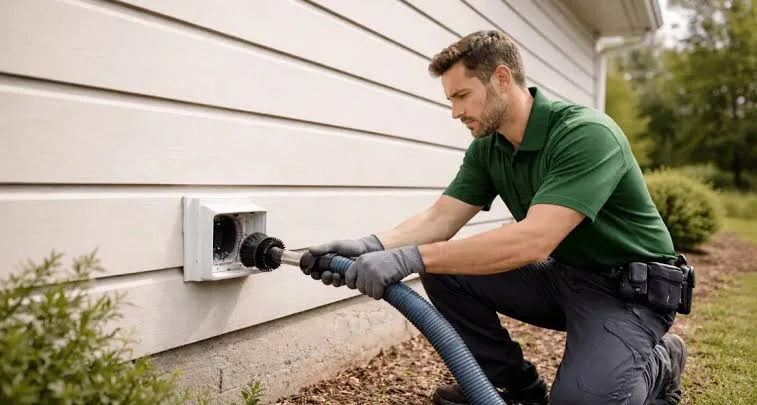
Every homeowner relies heavily on appliances to keep daily routines running smoothly. Among all household equipment, clothes dryers work behind the scenes to save valuable time. However, many people forget that these appliances require regular ventilation upkeep to function properly and safely. Over time, lint and moisture collect inside internal exhaust channels, creating significant risks and lowering machinery performance. Investing in professional dryer vent cleaning keeps your laundry routine running efficiently while protecting your property from serious safety hazards.
Understanding the Hidden Hazards of Lint Accumulation
During every drying cycle, microscopic fabric fibers break free from clothing. While a removable screen catches large clumps of material, fine lint particles travel past primary traps and enter internal exhaust ducts. Moisture carrying sticky residue binds these particles to channel walls, creating thick blockages.
Accumulated lint acts as a powerful fuel source. According to national fire safety organizations, thousands of residential fires occur annually due to neglected exhaust channels. When airflow becomes restricted, heat builds up rapidly inside appliance housings and duct passages. This excessive thermal energy can ignite trapped lint, leading to dangerous structural fires within minutes.
Beyond fire dangers, blocked exhaust lines force hazardous gases to back up into indoor living areas. Gas powered units produce toxic carbon monoxide during normal operation. When venting passages remain obstructed, dangerous fumes cannot escape outdoors, posing severe health hazards for family members.
Unmistakable Signals Your Exhaust Channel Needs Care
Home appliances usually provide clear indicators when internal airways require attention. Recognizing these early warning signs allows homeowners to address issues before dangerous conditions develop:
- Extended Drying Cycles: If towels and heavy fabrics remain damp after a full standard cycle, restricted airflow is preventing moisture from escaping properly.
- Excessive Exterior Heat: When an appliance casing or surrounding room feels unnaturally hot during operation, trapped thermal energy is building up inside restricted channels.
- Musty Smells on Clothing: Stale odors on freshly washed garments indicate that trapped humid air is lingering inside the drum instead of venting outside.
- Flap Opening Failure: Inspecting outdoor vent hoods while the unit runs reveals whether air pushes open exterior louvers. Absence of movement signals a major internal blockage.
- Excessive Lint Behind Machinery: Seeing visible lint collecting around rear connections or on laundry room floors indicates compromised ventilation piping.
The Financial Benefits of Clean Vent Passages
Neglecting exhaust channels causes hidden financial losses every month. Understanding the economic impact highlights why routine care represents a smart financial investment for any household.
Substantial Reduction in Utility Bills
When exhaust passages remain restricted, machinery operates longer cycles to dry clothing thoroughly. Prolonged operation consumes excessive electricity or natural gas. Clearing internal obstructions restores maximum airflow, enabling faster drying times and lowering monthly utility expenses substantially.
Extended Appliance Longevity
Operating under high heat and restricted airflow places immense strain on mechanical components. Motors, heating elements, and thermal fuses wear out prematurely under harsh conditions. Keeping ventilation pathways clear reduces physical stress, extending overall equipment lifespan and saving thousands on premature replacement costs.
Prevention of Costly Moisture Damage
Humid air trapped inside obstructed channels condenses into liquid water inside walls and ceilings. This persistent moisture leads to rotting wooden framing, ruined drywall, and invasive mold growth that requires costly structural restoration.
What to Expect During Professional Maintenance Services
Understanding the professional care process gives homeowners peace of mind. Experienced technicians utilize specialized equipment designed to clear deep obstructions without damaging existing infrastructure.
The service begins with a comprehensive visual and airflow assessment. Technicians measure air velocity at exterior outlets to evaluate performance levels. Next, specialized rotary brushes mounted on flexible rods enter duct passages, dislodging caked on lint from interior walls.
Powerful vacuum units collect dislodged debris, ensuring loosened material does not escape into your home. Technicians also inspect connection hoses, replacing fragile foil or plastic ducting with rigid metallic piping that meets modern safety standards. Finally, post service velocity tests confirm optimal airflow restoration.
Simple Habits to Maintain Peak Appliance Performance
Adopting routine care habits between professional visits helps maintain safe operating conditions year round:
- Clean Lint Filters Always: Remove accumulated lint from the internal screen before every single laundry load.
- Avoid Overloading the Drum: Give wet clothes sufficient space to tumble freely, allowing warm air to circulate effectively.
- Keep Surrounding Areas Clean: Regularly sweep and vacuum behind machinery to stop surface dust from entering intake ports.
- Use Rigid Metal Ducting: Replace flexible plastic or foil transition hoses with solid metallic piping that resists crushing and sagging.
- Schedule Annual Professional Care: Have certified technicians inspect and clear internal exhaust channels at least once every twelve months.
Take Action for a Safer Home Today
Maintaining clean exhaust channels is an essential responsibility for every homeowner. Protecting your family from fire hazards, lowering monthly utility expenses, and extending appliance longevity make routine ventilation maintenance a top home priority. Taking proactive steps today ensures a safer, cleaner, and more efficient living environment for years to come.