
How To Prevent Electrical Hazards With Power Cords
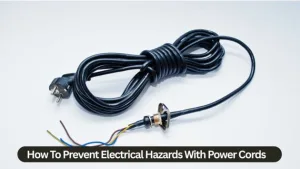
Electrical hazards do not usually show up with flashing warning signs; mostly, they sneak quietly. A cord that gets bent behind a desk. An outlet begins stocking additional equipment. A charger is left in use all day and night. None of this appears harmful at the time, but it tends to be the beginning of greater issues.
Power cords are used in homes, offices, garages, and learning spaces, and thus any minor error can be easily missed. The positive side is that most electrical accidents are avoidable, and a few practices can reduce exposure.
This guide walks through realistic, everyday steps that can be taken to stay safer. It includes information on how to select and maintain the power cords, where to keep them, when to disconnect devices, and how to store the cords in a manner that they last longer.
1. Inspect Cords Regularly
Checking the power cords frequently should be considered the best habit to maintain. Cords go through a lot of twisting, pulling, heat exposure, and being bumped behind furniture. In the course of time, the insulation becomes worn down, and it is not always noisy.
Take a moment to look for cracks, exposed wire, fraying, or odd discoloration along the cord. At the same time, pay attention to the plugs as well. Bent prongs, loose connections, or dark marks near the base usually signal overheating. Those signs matter more than they look.
Good and durable power cords can contribute to minimizing the issues, but even the best cords don’t last forever. Running cords under rugs or squeezing them behind heavy furniture speeds up wear. Whenever damage is evident, it is better to replace the cord immediately.
2. Avoid Outlets Overload
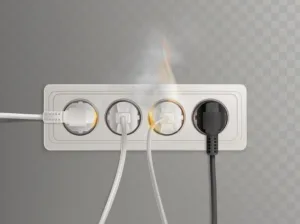
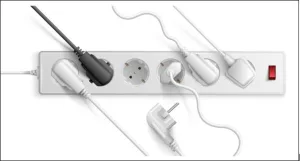
Plugging one more device into an outlet because there was space left is a common practice for many. When too many devices draw power from a single outlet, heat builds inside the wiring. That heat stresses cords, plugs, and the outlet itself. Gradually, insulation may melt, or wires may spark, and this could result in fire.
Appliances with high demand, such as space heaters, power tools, or large printers, deserve their own outlets. ESFI states that spreading devices and using properly rated surge protectors keep electricity flowing safely.
3. Use Correct Cord Type
Not all cords are created equal, and mixing them up is easier than it should be. Lightweight indoor cords may look harmless, but they are not to be used in heavy mode or long runtimes. Putting a high-wattage appliance on the incorrect cord is tantamount to heating up an appliance.
A cord must be carefully checked to ensure that it matches the voltage and current requirements of equipment. Outdoor-rated cords are thicker for a reason. They handle heat, moisture, and wear better than basic indoor versions.
Certifications such as UL, CSA, or RoHS matter as they indicate that the cord has been tested under actual conditions. It might take an extra minute to check, but it often prevents much bigger problems later.
4. Practice Safe Placement
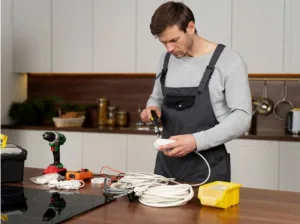
The kind of cords you use is as important as the type of cord you have. When cords are stretched over doorways or flipped under the carpet, they create two problems: wear and tripping hazards. Insulation is gradually destroyed by foot traffic, the opening and closing of doors, or heat sources around.
A clean setup usually ends up being safer. Cord covers, clips, or simple cable channels keep cords visible and protected. Organized routing also prevents accidental yanks, which strain internal wiring more than most people realize.
Where cords are frequently changed around, they should be kept tidy in order to minimize tangling and unexpected disconnections. Such an order may seem cosmetic, but it helps make things safer on a daily basis.
5. Disconnect When Not In Use
Unplugging devices sounds obvious, yet most of us skip it. Devices still draw a small amount of power even when switched off. Over time, that steady flow adds heat and wear to cords and outlets.
Chargers, seasonal appliances, and portable equipment don’t need to stay plugged in all the time. Building a habit of unplugging at the end of the day helps reduce risk and cuts unnecessary energy use. At first, it feels like an extra step, but after a while, it becomes a habit.
As a bonus, unplugging protects devices during power surges and extends the life of cords. That is a win that most people don’t think about until something fails.
6. Store Cords Properly
Storage is a detail that is not paid attention to until a cord of malfunctions. Tight wrapping, sharp turns, or dumping the cords in a drawer causes stress to the internal wires. The damage often stays hidden until the cord suddenly fails during use.
Loosely coiling cords along their natural curve helps keep internal wiring intact. Store cords in dry, cool spaces away from moisture or sharp edges. Labeling cords by device may be picky, but it prevents the possibility of accidentally using the wrong cords, and it will save time in the future.
Spending a few extra minutes storing cords carefully avoids frustration and improves safety long-term. It’s one of those habits that quietly pays off.
Conclusion
Electrical hazard prevention using power cords does not involve a complicated level of understanding or costly modifications. It comes down to awareness and consistency. Always check the cords, never overload the outlets, choose cords designed for the task, install cords in a sensible manner, unplug a device kept idle, and store cords with care.
Once it becomes habitual, the subject of electrical safety is not a burden anymore. You are not just protecting equipment; you are also protecting people and spaces. Little things, when done consistently, can add up to something even greater than you anticipate. And honestly, peace of mind is a pretty good payoff for a little extra attention.