
How to Reduce Costs for Plastic Components in Europe
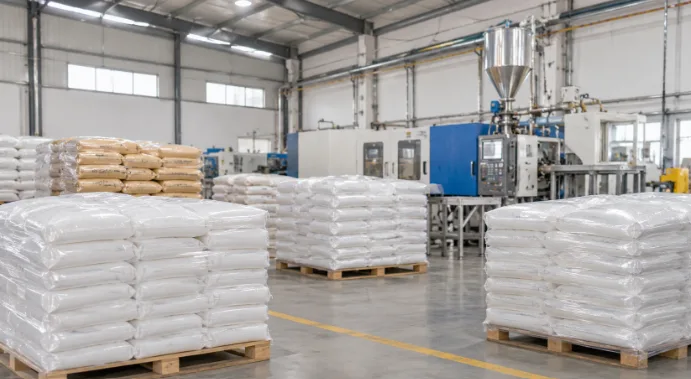
Reducing plastic component costs in Europe is not simply a matter of choosing the cheapest material or supplier. Manufacturing expenses are shaped by a chain of decisions, including resin selection, product design, tooling, production methods, quality control and delivery. A small design change can reduce material use, while a poorly selected resin or mould can increase defects, delays and long-term spending. Manufacturers therefore need to assess the full cost of a component across its production lifecycle.
By improving design efficiency, matching materials to real operating requirements and evaluating suppliers on total cost rather than unit price alone, businesses can control expenditure while maintaining dependable performance and product quality over time.
Understand What Drives Plastic Component Costs in Europe
Plastic component costs usually include material, tooling, machine time, labour, inspection, finishing and logistics. Some expenses are largely fixed, such as mould development, while others increase with production, including resin consumption and processing time. European manufacturers may also face different energy, labour and transport costs depending on their location and supplier network.
Separate fixed and variable costs when reviewing a quotation. A complex mould requires initial investment, while excess material increases the cost of every part. Include scrap, rework, packaging and delivery in the calculation. This broader view is more useful than comparing unit prices alone because it reveals where savings are possible and whether they will last.
Choose Materials Based on Performance, Not Price Alone
Material selection affects purchase price and component performance. Polypropylene (PP), polyethylene (PE), ABS and polyamide (PA), commonly called nylon, differ in stiffness, impact resistance, chemical compatibility and temperature performance. PP may suit lightweight functional parts, ABS is often used for enclosures, and nylon is considered for components exposed to mechanical loads or wear. The right choice depends on operating conditions, not simply resin price.
For specialized applications, a Chinese Modified Nylon Manufacturer may offer access to different engineering-grade formulations. Buyers should compare datasheets, reinforcement levels, moisture sensitivity, and processing requirements before approving a grade. Modified nylon is not automatically more economical; it makes sense when its verified properties meet a genuine application need.
Simplify Product Design to Reduce Material Waste
Design decisions influence material use, mould complexity and manufacturing time. Unnecessary features, complicated geometry and excessive structural material can raise costs without improving function. Reviewing a design before tooling begins is usually less expensive than correcting problems after a mould has been built. This is especially valuable while a product is still being developed.
Design for Manufacturing (DFM) encourages engineers to consider production limitations early. Review whether nonessential features can be removed, separate parts consolidated and assembly simplified. Check that the geometry can be moulded consistently. Changes must not weaken the component or compromise safety, fit or performance; the aim is to remove complexity that delivers no functional value.
Optimize Wall Thickness and Component Geometry
Wall thickness influences material consumption, cooling time and dimensional stability in injection moulding. Thick sections use more resin and generally take longer to cool. Uneven sections can shrink at different rates, potentially producing sink marks, internal stress or warping. Keeping wall sections reasonably consistent, where the design allows, can support predictable moulding and reduce rejected parts.
Engineers can assess ribs, corner radii and draft angles to improve stiffness and component release. Ribs may provide strength without an unnecessarily thick solid section, while suitable draft can ease ejection. Dimensions must suit the polymer, geometry and mould. For complex parts, mould-flow analysis and production trials can identify problems before full-scale manufacturing.
Select the Right Plastic Manufacturing Process
Different processes suit different shapes, materials and production quantities. Extrusion is used for continuous products such as pipes and profiles; thermoforming suits some sheet-based components. CNC machining may be appropriate for prototypes or low-volume specialist parts. Injection moulding is often effective for repeat production of complex components, but its tooling investment must be justified by demand.
Before choosing, compare:
- Expected annual volume and batch size.
- Tooling requirements and initial investment.
- Tolerances, surface finish and finishing operations.
- Material suitability, cycle time and labour needs.
A process that is economical for a prototype may become inefficient at scale. Equally, expensive injection moulding tooling may not suit a small, uncertain order. Compare total costs at realistic quantities rather than assuming one process is always cheaper.
Reduce Injection Molding Tooling and Setup Costs
Injection mould tooling can represent a substantial upfront expense. Mould complexity, cavity count, steel selection, surface finish and features such as side actions affect its cost. Unnecessary undercuts or difficult-to-mould details may require extra mechanisms and maintenance. Reviewing these features during design development can prevent expensive changes after the tool is manufactured.
Tool configuration should reflect realistic demand. A multi-cavity mould can spread machine costs across more parts, but requires greater initial investment and consistent filling across cavities. Consider cooling-channel design, mould life, maintenance access and spare-part availability, not just purchase price. A good tool should deliver repeatable production and manageable maintenance over its intended service life.
Use Production Volumes to Improve Cost Efficiency
Production volume affects how fixed expenses are distributed across components. Tooling, engineering and setup costs can be spread over more units when demand is stable, potentially lowering the allocated cost per part. However, increasing production solely to obtain a lower unit quotation can create excess inventory, storage expenses and working-capital pressure.
Align order quantities with realistic demand forecasts. Consider mould utilization, supplier minimum order quantities, price breaks, storage costs and the risk of product changes. Smaller batches may be preferable when demand is uncertain, even if the unit price is higher. The best quantity balances manufacturing efficiency with inventory risk rather than automatically maximizing order size.
Compare Suppliers Beyond the Initial Unit Price
Supplier evaluation should extend beyond the quotation price. Manufacturers may differ in material consistency, inspection procedures, capacity, communication and delivery reliability. These differences affect the cost of maintaining a stable supply. A low quotation can lose its advantage if rejected batches, repeated sampling or missed delivery dates disrupt production.
Before approval, buyers should examine:
- Material specifications and traceability documents.
- Quality procedures and dimensional inspection records.
- Relevant production experience and available capacity.
- Sample consistency and corrective-action processes.
Provide clear drawings, tolerances, resin specifications and acceptance criteria before production. First-article approval can identify issues before a large order is made. A supplier that understands technical requirements may provide better long-term value than one competing mainly on price.
Consider International Sourcing Without Ignoring Total Costs
International sourcing expands supplier choice and access to manufacturing capabilities. However, a lower factory quotation does not necessarily mean a lower delivered cost for a European buyer. Freight, customs duties, insurance, inspection, packaging and currency movements change the final calculation. Longer lead times may also require extra safety stock, tying up working capital.
Calculate landed cost using consistent specifications, quantities and delivery terms. Check customs classification, country of origin, applicable duty and transport expenses. Import VAT should be considered in light of the buyer’s circumstances and national rules. Comparing these elements gives procurement teams a more realistic basis for choosing between local and overseas suppliers.
Reduce Waste Through Better Production Planning
Manufacturing waste includes more than discarded plastic. It can involve machine downtime, material left over from poorly planned batches, unnecessary changeovers and components rejected because processing conditions vary. These problems reduce the number of acceptable parts produced from available resources. Reviewing production performance can reveal recurring losses hidden in unit costs.
Track scrap rates, cycle-time variation, machine availability and material consumption. Consistent resin storage and handling are especially important for moisture-sensitive polymers such as nylon. Drying should follow the resin supplier’s guidance. Better scheduling, standardized processing parameters and preventive maintenance can reduce avoidable losses while supporting consistent component quality.
Improve Quality Control to Avoid Expensive Rework
Quality problems create costs at several stages. A defective component may require extra inspection, reprocessing, replacement or interruption of an assembly operation. If it reaches a customer, transport, warranty and corrective-action expenses may follow. Preventing recurring defects is generally more effective than relying on final inspection to catch every problem.
Inspection should reflect the component’s function and risk. Checks may include dimensional measurement, visual inspection, material verification and functional testing. First-article inspection is useful when introducing tooling, changing resin grades or modifying process settings. Clear acceptance criteria and documented corrective actions help suppliers and buyers identify root causes instead of repeatedly treating symptoms.
Consider Recycling and Material Efficiency
Improving material efficiency can reduce waste-related expenses. Where technically suitable, clean production scrap may be recovered and reprocessed rather than discarded. Recycled resin may also suit selected components, depending on the application and consistency of the available material. It should not be treated as a universal substitute for virgin resin.
Before approving recycled content, assess its properties, contamination risks, processing history and batch consistency. Check whether it meets mechanical and dimensional specifications and suits the intended environment. For demanding engineering parts, testing and production validation are essential. A lower resin price offers little value if variable properties increase rejection rates or shorten service life.
Account for European Regulations and Long-Term Compliance
Regulatory requirements should be considered during material selection and product development. REACH can create obligations for producers, importers, and suppliers concerning certain chemical substances. Depending on the substance and conditions, businesses may need to communicate information about substances of very great concern in articles and maintain supply-chain documentation. Buyers should request declarations relevant to the actual material and component.
Packaging requirements must be assessed separately. The EU Packaging and Packaging Waste Regulation (PPWR), Regulation (EU) 2025/40, began applying on 12 August 2026, with some obligations phased in over time. It is not a general rule for every industrial plastic component. Identifying applicable requirements early can help avoid redesign, documentation gaps, and unexpected compliance costs.
Conclusion
Reducing plastic component costs requires a coordinated approach rather than a single purchasing decision. Material selection, efficient design, suitable manufacturing processes, reliable tooling and consistent quality control all influence the final cost. European manufacturers should also assess production volumes, supplier performance, transport expenses and relevant regulatory obligations before committing to a sourcing strategy.
The most economical option is the one that meets technical requirements while minimizing waste, defects and avoidable costs throughout the component’s lifecycle. Careful planning and regular supplier reviews can help businesses build a more resilient cost structure. For further manufacturing insights and sourcing considerations, explore the resources available from Maxnm Tech as manufacturing requirements and markets change.
FAQs
What factors affect plastic component manufacturing costs in Europe?
Plastic component costs depend on several factors, including raw material prices, product design, tooling, production volume and manufacturing processes. Labour, quality control, transportation and supplier reliability can also influence the final cost.
How can material selection help reduce plastic component costs?
Selecting materials according to actual performance requirements helps manufacturers avoid paying for properties their components do not need. Comparing strength, durability, temperature resistance and processing requirements can help identify a more cost-effective option.
Is injection moulding a cost-effective method for producing plastic components?
Injection moulding can be economical for medium- and high-volume production because tooling costs are spread across many components. However, the initial mould investment may make it less suitable for small production runs.
Is sourcing plastic components from outside Europe always cheaper?
Not necessarily, because lower manufacturing prices do not always mean lower overall costs. Shipping, customs duties, insurance, inspection expenses and longer delivery times should also be included when comparing suppliers.
How can manufacturers reduce plastic production waste without affecting quality?
Manufacturers can minimize waste through better product design, optimized moulding conditions, equipment maintenance and regular quality inspections. Recycled materials may also be considered when their properties meet the component’s technical and performance requirements.