How to Remove Tartar from Dentures Instantly
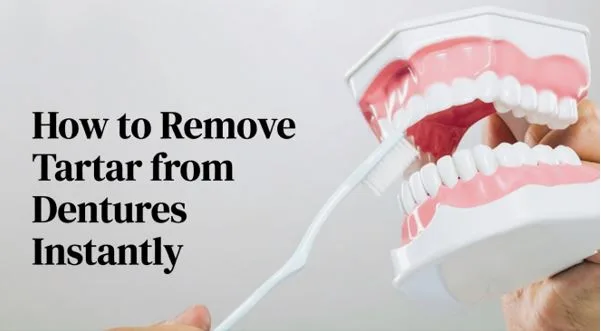
That stubborn yellowish buildup on your dentures is not just unsightly. Tartar makes dentures uncomfortable, causes bad breath, and can irritate your gums if left untreated. Regular brushing handles plaque, but once plaque hardens into tartar, a standard cleaning routine will not cut it anymore.
Tartar is made of hard mineral deposits that need to be dissolved or professionally scaled off. Scrubbing harder with a toothbrush will not work and may even damage the denture surface.
Professional Denture Cleaning and When Home Methods Fall Short
Some tartar responds well to home remedies, but heavy or old deposits often require professional cleaning. At Smile Dentistry in Glendale AZ, Dr. DeMark (D.D.S.) and team provide dentures and partials as part of a full range of restorative services. They also provide installation of crowns, implants, and bridges.
Patients throughout Arizona and surrounding areas rely on the practice when home cleaning stops working or when dentures need professional attention. A dentist can also check for cracks, fit issues, or wear patterns that may be causing tartar to accumulate faster than normal.
If your dentures have thick tartar that does not respond to soaking, or if you notice persistent odor, gum irritation, or fit changes, scheduling a professional cleaning is the right move.
What Actually Dissolves Tartar on Dentures
Tartar is primarily calcium phosphate and other minerals that bond tightly to the denture surface. Plain water, dish soap, and most toothpastes cannot break this bond because they are not acidic enough.
Vinegar & Water Mix
White vinegar works well because the acetic acid reacts with calcium and softens tartar. You have to soak dentures in it. Mix vinegar (50%) and water (50%). Water should be slightly warm. Let it stay in the solution for 1 to a few hours. For heavier buildup, overnight soaking works better. After soaking, a gentle scrub with a soft denture brush removes the loosened material.
Hydrogen Peroxide & Water
Hydrogen peroxide also breaks down tartar while killing bacteria and whitening stained areas. Take 3% concentration hydrogen peroxide and add it to a jar. Add the same amount of water: 50% water and 50% Hydrogen peroxide. Avoid stronger concentrations because they may damage the denture material.
Commercial tablets like Efferdent and Polident work well for daily maintenance and light tartar. Many patients find that combining daily tablet use with periodic vinegar soaks provides the best results.
Removing Calcium Buildup and Hard Tartar
Calcium deposits show up as white or yellowish crusty patches, usually along the gumline areas. These form when minerals in saliva accumulate on surfaces that are not cleaned each day thoroughly.
Vinegar soaks work particularly well because acetic acid reacts directly with calcium. For stubborn deposits, soak dentures in undiluted white vinegar for 15 to 20 minutes. If deposits remain, repeat the process.
Baking soda paste helps with lighter deposits. Mix 2 tablespoons in some water to form a paste; use it to scrub and clean off yellows/tartars on dentures. After scrubbing, rinse off with water.
Avoid scraping with metal tools or stiff brushes. Scratching the surface creates rough areas where bacteria and new deposits accumulate more easily.
Why Tartar Turns Yellow
Tartar itself is usually white when it first forms. The yellow or brown color comes from coffee, tea, red wine, tobacco, and pigmented bacteria. Once tartar absorbs these stains, the discoloration becomes part of the deposit.
Surface cleaning will not remove it. The tartar itself must be dissolved or scaled off to eliminate the staining.
Home Remedies That Work
White vinegar, baking soda, and hydrogen peroxide have genuine cleaning power. Vinegar and hydrogen peroxide dissolve mineral deposits. Baking soda provides gentle abrasion and odor control.
Salt water rinses do not dissolve tartar, but help reduce bacteria between deeper cleanings. Lemon juice contains citric acid and can break down deposits, but use it sparingly because prolonged exposure may affect denture materials.
Plain water, dish soap, and non-acidic mouthwash do not dissolve tartar. Toothpaste alone also falls short because most formulas lack the acidity needed to break the mineral bond.
Preventing Tartar Buildup
Daily brushing with a soft denture brush removes plaque before it hardens. Rinsing after meals keeps food particles from sitting on the surface. Overnight soaking in water or a cleaning solution maintains moisture and provides extended cleaning time.
Ultrasonic denture cleaners (use sound waves) offer deeper cleaning for patients who want extra protection.
FAQs
Does vinegar remove tartar from dentures?
Yes. White vinegar contains acetic acid, which dissolves the calcium deposits in tartar. Soaking for 30 minutes overnight softens most buildup.
What is the best way to remove hard tartar from dentures?
Soak in white vinegar or hydrogen peroxide to dissolve the deposits. For heavy buildup, professional cleaning removes what home methods cannot.
How do I remove calcium buildup from dentures?
Soak in undiluted white vinegar for 15 to 20 minutes, then brush gently with a soft denture brush. Repeat if needed.
Can I use toothpaste to remove tartar from dentures?
Toothpaste helps with plaque but does not dissolve hardened tartar. An acidic solution like vinegar is needed for tartar removal.
How often should dentures be professionally cleaned?
Most denture wearers benefit from professional cleaning once or twice a year to remove buildup that home care misses.