How to Safely Clear a Baby’s Stuffy Nose at Home
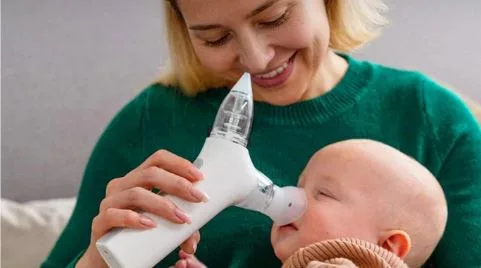
A stuffy nose is one of the most common challenges parents face during infancy. Because babies have very small nasal passages, even a small amount of mucus can make breathing, feeding, and sleeping more difficult. Fortunately, most cases of nasal congestion can be managed safely at home with gentle care and the right techniques. Instead of trying harsh remedies, parents should focus on methods that loosen mucus and make it easier to remove without irritating delicate nasal tissues. One helpful tool many families use is a nasal aspirator, which can gently remove loosened mucus and improve a baby’s comfort.
Why Babies Get Stuffy Noses
Babies often develop nasal congestion because their airways are naturally narrow. Viral colds are the most common cause, but dry indoor air, dust, seasonal changes, and mild environmental irritants can also contribute to a blocked nose. Since babies primarily breathe through their noses, congestion can quickly affect their ability to eat and sleep comfortably.
Although a stuffy nose usually improves within several days, parents should continue monitoring their baby’s symptoms and provide gentle care throughout the recovery period.
How a Stuffy Nose Affects Your Baby
Small Nasal Passages Make a Big Difference
Even mild congestion can make everyday activities difficult for an infant. Babies may become fussy during feeding because they cannot breathe comfortably while nursing or drinking from a bottle. Sleep may also become restless, and parents may notice noisy breathing or frequent waking during the night.
Helping clear the nose safely allows babies to breathe more easily and return to their normal feeding and sleeping routines.
Using Saline Drops Before Cleaning
Loosen Mucus Naturally
Saline drops are often the first step in relieving nasal congestion. A few drops placed into each nostril help soften thick mucus without using medication. Waiting about a minute allows the saline to loosen the mucus naturally, making it much easier to remove afterward.
This simple method reduces discomfort and helps protect the sensitive lining inside a baby’s nose.
Using a Nasal Aspirator Safely
Gentle Suction Works Best
After saline has loosened the mucus, a nasal aspirator can help remove it safely. Gentle suction is usually all that is needed to clear the nasal passages and improve airflow. Parents should avoid inserting anything deep into the nostrils or applying excessive suction, as this may cause irritation.
Many parents choose the Grownsy SniffEase Spa Nasal Aspirator because it is designed to gently remove loosened mucus while helping babies breathe more comfortably. Regardless of the product being used, always follow the manufacturer’s instructions and clean the device thoroughly after each use.
Keep the Air Moist
Comfortable Humidity Supports Easier Breathing
Dry indoor air often causes mucus to become thicker and more difficult to clear. Maintaining proper humidity inside the home helps keep nasal passages moist and reduces irritation. A clean cool-mist humidifier can improve air quality and create a more comfortable environment for babies recovering from congestion.
Keeping the room clean and free from smoke or strong fragrances can also reduce unnecessary irritation.
Continue Regular Feeding
Hydration Helps Thin Mucus
Breast milk or formula provides the hydration babies need while they recover from congestion. When mucus becomes thinner, it is easier to remove using a nasal aspirator, making feeding more comfortable. If your baby struggles during feeding, try clearing the nose first and then offer smaller, more frequent feedings.
Proper hydration supports overall recovery while helping babies remain comfortable throughout the day.
Hold Your Baby Upright
A Comfortable Position Can Help
Holding your baby upright while they are awake may encourage natural mucus drainage and improve breathing. Many babies also feed more comfortably when congestion has been relieved before feeding sessions.
Even during periods of nasal congestion, babies should always sleep on their backs because this remains the safest sleep position recommended by healthcare professionals.
Avoid Common Mistakes
Gentle Care Is Always the Safest Choice
Parents sometimes feel tempted to clean a baby’s nose aggressively, but this can do more harm than good. Cotton swabs, sharp objects, or forceful suction should never be used inside a baby’s nostrils. Over-the-counter cold medicines should also be avoided unless specifically recommended by a healthcare provider.
The goal is to gently loosen mucus and remove only what comes away easily without causing discomfort.
Choosing the Right Nasal Care Tool
Focus on Safety and Comfort
When selecting a nasal aspirator, parents should look for one that is easy to clean, gentle on delicate nasal tissues, and comfortable to use. A well-designed tool can make regular nasal care much easier during cold and allergy seasons.
The Grownsy SniffEase Spa Nasal Aspirator is designed with gentle nasal cleaning in mind, helping parents remove loosened mucus while supporting their baby’s comfort during periods of congestion.
When to Contact a Healthcare Provider
Know the Warning Signs
Most cases of nasal congestion improve with simple home care, but medical attention is necessary if your baby has difficulty breathing, refuses several feedings, develops a persistent fever, appears unusually sleepy, or shows blue coloring around the lips or face. Parents should also seek professional advice if congestion continues for several days without improvement or seems to become worse.
Prompt medical evaluation ensures that more serious conditions receive appropriate treatment.
Conclusion
A stuffy nose can make daily life uncomfortable for both babies and parents, but safe home care can make a significant difference. Saline drops, proper hydration, clean indoor air, and the careful use of a nasal aspirator help babies breathe more comfortably while supporting natural recovery. Choosing gentle techniques protects delicate nasal tissues and reduces unnecessary discomfort. For parents looking for an easy-to-use solution, the Grownsy SniffEase Spa Nasal Aspirator can become part of a thoughtful baby care routine when used according to the instructions. With patience, gentle care, and attention to your baby’s symptoms, most episodes of nasal congestion can be managed safely at home.
FAQs
Is it safe to use a nasal aspirator every day?
Yes. A nasal aspirator can be used when needed to remove loosened mucus, provided it is used gently and cleaned properly after each use.
Can I use the Grownsy SniffEase Spa Nasal Aspirator for newborns?
The Grownsy SniffEase Spa Nasal Aspirator should be used according to the manufacturer’s age recommendations and instructions. If you are unsure, consult your pediatrician before use.
When should I worry about my baby’s stuffy nose?
If your baby has difficulty breathing, refuses to feed, develops a high fever, or remains congested without improvement for several days, contact your healthcare provider promptly.