How to Save Money on Dumpster Rentals and Hauling Services?
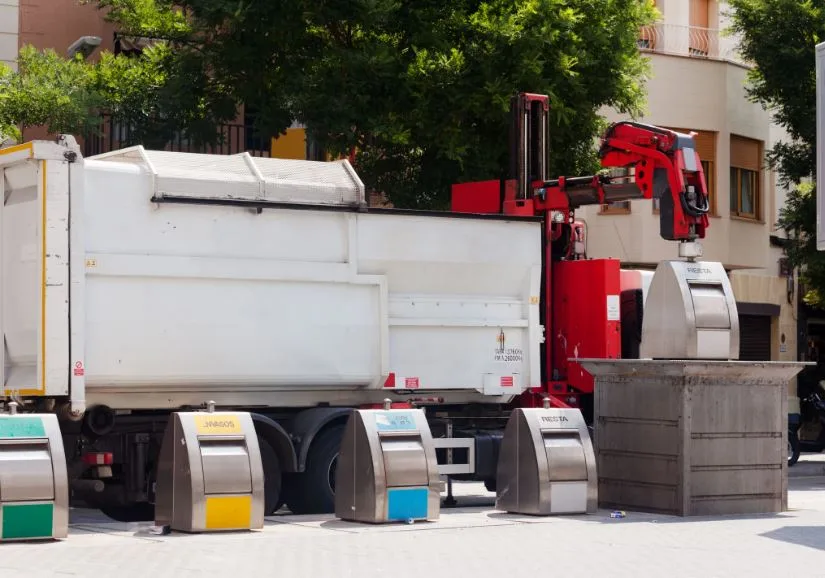
The fastest way to save money on dumpster rentals and hauling services is to pick the right size, book early, and compare a few local quotes before you sign anything. Renting a dumpster that’s too big means you pay for space you don’t use, while one that’s too small forces a second rental. Ask each company about flat-rate pricing, weight limits, and how many days are included. A short phone call to two or three providers often shaves off a good chunk of the bill. Paying attention to these small details up front keeps your project on budget and helps you skip the surprise fees that show up later.
Why Prices Differ So Much
You may notice that two companies charge very different rates for what looks like the same service. Several things explain this gap. Local dump fees vary by city, fuel costs change, and some companies pad their base price with extra charges for weight, distance, or extra days. A low quote isn’t always the best deal if it hides fees in the fine print. The smart move is to ask for the full price in writing, including taxes, drop-off, and pickup. Once you have that, you can line up the offers side by side and see which one truly costs less. This quick check often saves more money than any coupon or discount code.
Pick the Right Size the First Time
Dumpster sizes are usually measured in cubic yards, and choosing the correct one matters more than most people think. A 10-yard bin works well for a small bathroom redo or a garage cleanout. A 20-yard bin suits flooring jobs or medium remodels. A 30 or 40-yard bin fits big builds and major cleanouts. If you guess wrong and go too small, you’ll need a second haul, which doubles your cost. If you go too big, you pay for empty air. When you’re not sure, describe your project to the rental company and let them suggest a size. Most have seen your type of job many times and can point you to the right fit.
Book Early and Plan Your Timeline
Last-minute rentals tend to cost more. When you call a day before you need the bin, you give the company little room to plan, and that often means a higher price or no availability at all. Booking a week or two ahead gives you better rates and more choices. It also lets you set a clear timeline so you don’t pay for extra days. Most rentals include a set number of days, often three to seven. Going over that limit adds daily fees. Fill the bin within the included window, and you keep the rental at its base price. A simple calendar note can stop you from paste deadlines that trigger extra charges.
Watch the Weight Limit
Weight is one of the biggest hidden costs in dumpster services. Each bin comes with a weight cap, and going over it means paying by the ton for the excess. Heavy items like concrete, dirt, brick, and roofing shingles add up fast. If your project involves these, tell the company ahead of time. Some offer special bins for heavy debris at a fixed rate, which can be cheaper than overage fees. Spreading heavy material across two smaller loads sometimes costs less than cramming it all into one bin. Knowing your weight limit before you start loading keeps you from a bill that’s larger than you expected.
Compare Hauling Services Before You Commit
Not every job needs a dumpster. For a one-time cleanout or a few bulky items, hauling services may cost less than a full rental. With hauling, a crew comes to your home, loads the junk, and takes it away, so you skip the bin altogether. The price usually depends on how much space your stuff takes up in their truck. For small loads, this can beat a dumpster on price. For large or long projects, a dumpster wins because you control the timing. Get a quote for both options and let the numbers guide you. The right choice depends on how much you’re tossing and how long your work will take.
Share a Bin or Split the Cost
If your neighbor is also clearing out their place, ask if they want to split a larger dumpster. Two households filling one bin can each pay less than renting two small ones. The same idea works for community cleanups or shared projects. Just agree on who pays what and make sure the total weight stays under the limit. This kind of teamwork lowers the cost for everyone and cuts down on the number of trucks rolling through your street.
Sort and Reduce Before You Toss
A little sorting goes a long way toward a smaller bill. Set aside items you can donate, sell, or recycle, since these don’t belong in a paid dumpster. Metal scraps often have value at a recycling yard, and many charities pick up usable furniture for free. Breaking down boxes and flattening bulky items also helps you fit more into less space, which may let you rent a smaller bin. The less you throw away, the less you pay. This step takes some time, but it can trim both your cost and the size of bin you need.
Read the Contract and Ask Questions
Before you sign, read the agreement and ask about anything that’s unclear. Find out if there’s a fee for going over the time limit, what happens if the truck can’t reach your driveway, and whether certain items are banned from the bin. Some materials like paint, tires, and batteries often cost extra or aren’t allowed at all. Clear answers now stop arguments and surprise charges later. A good company will explain everything without rushing you.
Final Thoughts
Saving money on dumpster rentals and hauling services comes down to planning, comparing, and asking the right questions. Pick the correct size, book ahead, mind the weight, and check whether a dumpster rentals or hauling crew fits your job better. Sort your junk first so you only pay to remove what truly needs to go. With a few simple steps, you keep your project affordable and your bill free of nasty shocks.