How to Sell GTA 6 Mods in 2026
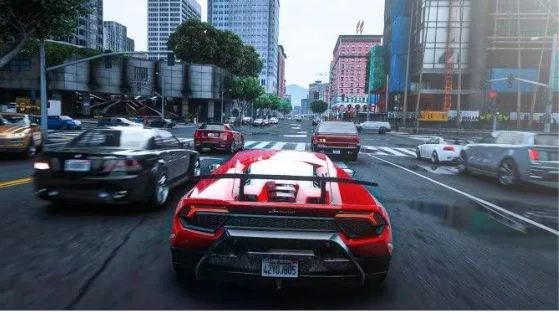
Selling GTA 6 mods has gone from a fringe hobby to a genuine income stream for thousands of creators. With the modding scene maturing in 2026 — and a fully built GTA 6 mods marketplace sitting at the center of it — the path from “I made a mod” to “I get paid for my mods” is more direct than it has ever been. The catch is that competition has matured along with the platforms. Quality matters now, pricing matters, and presentation matters as much as the underlying mod itself.
This guide walks through the full process: what kinds of mods actually sell in 2026, where to list them, how to price your work, how to promote a release without spending a fortune on ads, and how to build the kind of long-term creator presence that turns one-off sales into recurring income. Whether you’re shipping your first vehicle mod or scaling a catalog of premium content, the playbook below covers what works right now.
The single highest-leverage decision you’ll make is where you list your work. Most successful creators in 2026 anchor their business on one strong primary platform and use cross-channel promotion to drive traffic to it. The rest of this guide assumes that model.
This guide is written for hobbyists and semi-professional creators selling individual mods or small catalogs. Larger studios with formal licensing and IP arrangements will have additional considerations beyond the scope of this article.
Why selling GTA 6 mods is worth the effort
The GTA 6 player base has been hungry for content since launch, and modders fill the gap between what shipped in the base game and what players actually want. A well-made vehicle mod can sell hundreds of copies in its first month. A polished script can generate income for years if it solves a real problem. And unlike most creative work, modding has an extremely engaged buyer audience that’s already on the platform and ready to spend.
Beyond the income, there’s also a community payoff. Successful mods build a creator reputation that opens doors — server commissions, paid collaborations, sponsorship deals, and eventually job offers from studios who watch the modding scene for talent. Treating modding as a serious craft from day one compounds in ways that are hard to predict.
What kinds of mods sell well in 2026
Not every mod has the same sales potential. Some categories consistently outperform others because they solve a recurring need, hit a familiar player desire, or fill a gap the base game leaves wide open. The strongest sellers in 2026 tend to fall into a few categories:
- Vehicle mods, especially high-quality replicas of real-world cars, motorcycles, and aircraft with full physics and customization support.
- Roleplay scripts and frameworks that add depth to RP servers — jobs, economies, factions, and quality-of-life utilities.
- Weapon and equipment packs that look polished and integrate cleanly with both single-player and multiplayer setups.
- Map expansions and interior mods that add new locations, businesses, or housing options.
- Visual and graphics overhauls (reshades, weather systems, lighting mods) that improve the game’s look without breaking compatibility.
- Tooling and developer utilities that other modders pay for to speed up their own workflows.
The pattern across all of these is simple: solve a specific, repeated problem with high polish and clear documentation. Generic, half-finished mods don’t move units no matter how cheaply they’re priced.
Where to sell GTA 6 mods
The choice of platform is the single most important business decision a new modder makes. The right home gives you payment processing, a built-in audience, search visibility, community support tools, and a credible storefront. The wrong one leaves you wrestling with custom payment integrations, chargeback fraud, and zero discoverability.
For most creators in 2026, the answer is GTAModding.net — the dominant central marketplace for GTA 6 mods. It handles payment processing, manages buyer disputes, surfaces your work in category browsing, and runs a creator-friendly revenue split that keeps more of each sale in your pocket compared to traditional content platforms. For modders who want to sell GTA 6 mods without building their own commerce stack, it removes essentially every operational headache.
The platform also includes the supporting infrastructure that smaller storefronts skip: version-tagged downloads, changelog history, version-compatibility flags, direct creator-buyer messaging for support, and integrated review systems. For new creators, these features are the difference between a one-time download and a returning customer.
What to look for in a mod marketplace:
- A creator-friendly revenue split that doesn’t take half of each sale before you see a cent.
- Payment processing handled by the platform so you don’t have to integrate Stripe or PayPal yourself.
- Buyer dispute handling that protects both parties from chargeback fraud and broken downloads.
- Version-tagged downloads and changelog support so buyers always know what they’re getting.
- Direct messaging or ticket support for buyer questions, custom requests, and bug reports.
- Strong category browsing and search so your work surfaces to people actively shopping for it.
- A real reputation system (reviews, ratings, creator badges) so quality work gets rewarded over time.
How to price your mods
Pricing is the single most common mistake new modders make. The temptation is to undercut every competitor to “get sales”, but in practice that strategy backfires — cheap mods signal low quality, generate more support tickets per dollar earned, and train your audience to expect rock-bottom prices on every future release.
A healthier approach: study the actual price ranges in your category, position yourself in line with similar-quality work, and charge a small premium if you offer better support, documentation, or production value. For most mod categories in 2026, the working ranges are roughly:
- Small utility scripts: $2–$5 per license.
- Vehicle mods (single car or bike): $5–$15 depending on polish and physics depth.
- Weapon packs (5–10 weapons with proper animations): $8–$20.
- Map expansions or interior mods: $10–$30 depending on scope.
- Full RP frameworks or large script bundles: $30–$80, sometimes higher for server-license tiers.
- Premium graphics overhauls: $5–$15 for a polished, well-documented release.
These are starting points, not rules. Premium creators with strong reputations can charge significantly more, and bundling several smaller mods into a single pack often raises the perceived value enough to justify a higher headline price. Free demos or stripped-down free versions paired with paid premium versions also work well for creators who want to build trust before asking for a sale.
How to promote your mods without burning cash on ads
Most successful modders skip paid advertising entirely. The audience for GTA 6 mods lives on YouTube, TikTok, Discord, Reddit, and a handful of dedicated communities, and reaching them through organic content is significantly more effective than running ads at cold traffic. The promotional playbook that consistently works:
- Post short-form video clips showing your mod in action on TikTok, YouTube Shorts, and Instagram Reels.
- Drop full walkthrough or showcase videos on YouTube with a clear download link in the description.
- Share screenshots and short demo clips on relevant subreddits and Discord servers (where the rules allow promotion).
- Send review copies to GTA 6 modding YouTubers and streamers in exchange for honest coverage.
- Maintain a creator profile page with all your work, social links, and update history.
- Engage with comments and reviews on every release — buyers who feel heard come back for more.
Short-form video is by far the highest-leverage channel right now. A single 30-second clip that goes mildly viral can drive thousands of downloads in a day. Tools like an AI clipper for GTA 6 footage can turn one evening of recorded gameplay into a week of promotional clips, which removes the biggest bottleneck for solo creators.
Server communities also matter more than most new modders realize. Many of the biggest mod buyers are RP and freeroam server operators who need quality content for their lobbies. Building relationships with active communities listed on the major roleplay server directories and general multiplayer server lists often leads to bulk licensing deals that dwarf any individual mod sale. A few well-placed server partnerships can be worth more than months of retail sales.
Building a long-term modding business
One-off mod sales are a fine starting point, but the creators who treat modding as a real business pull dramatically further ahead. The shift comes from thinking about your catalog as a portfolio rather than a series of isolated releases. Each new mod should reinforce the ones already published, build on your reputation, and feed into a coherent creator brand.
Most successful long-term modders follow a similar pattern: build a small initial catalog of 3–5 polished releases in a single category, establish a creator profile with reviews and social proof, then expand into adjacent categories or premium tiers. Update your existing work regularly so it stays compatible with patches, and let your buyers know about updates through the platform’s messaging tools. Buyers who get continued value from a single mod are dramatically more likely to buy your next one.
Many established creators also expand beyond pure mod sales over time. Custom commissions, server consulting, paid map design, and even tooling licensing (selling your developer utilities to other modders through the broader GTA tools ecosystem) all become viable once you’ve built a name. Custom map design through a dedicated GTA 6 maps platform is another adjacent stream that converts a strong mod reputation into a separate income channel.
Tips for selling mods that actually convert
- Ship with thorough documentation — installation steps, compatibility notes, known issues, and a changelog all visible on the listing.
- Use high-quality screenshots and a short demo video on every product page. Cell-phone screenshots of your monitor look amateurish and hurt conversions.
- Respond to support requests within 24 hours when possible. Fast support generates positive reviews almost automatically.
- Run small launch promotions (10–20% off for the first 48 hours) to drive early reviews and momentum.
- Update your mods after major game patches. Abandoned mods rapidly accumulate negative reviews even if they were excellent on release.
- Never inflate your own ratings or buy fake reviews. Buyers and platforms both spot fakes quickly, and the reputation damage is permanent.
Final thoughts
Selling GTA 6 mods in 2026 is a legitimate business, but it rewards the same fundamentals as any other creator economy: quality, consistency, and trust. Pick a category you genuinely care about, ship polished work, list it on a creator-friendly platform like GTAModding.net, promote it through short-form video, and update your catalog as the game evolves. The modders who treat this seriously can build meaningful income from it. The ones who try to shortcut quality almost never do.
Frequently asked questions
How much can I realistically earn selling GTA 6 mods?
Earnings vary widely. A casual creator with one or two polished mods might earn a few hundred dollars over the lifetime of each release. Full-time mod creators with strong catalogs and active promotion routinely earn four to five figures per month. The ceiling depends mostly on catalog size, quality, and promotional consistency.
Do I need to register a business to sell mods?
Tax obligations vary by country, but most casual creators start as sole proprietors and formalize the structure once income justifies the overhead. Always check your local tax requirements once your earnings cross the relevant reporting threshold.
Can I sell mods that use copyrighted material like real car brands?
It’s a gray area. Many creators stylize designs to avoid direct brand replication, and platforms generally take down listings that violate clear IP rights when notified. Stick to original designs or properly licensed assets where possible to minimize takedown risk.
How do I handle support for buyers?
Most marketplaces (including GTAModding.net) include direct messaging or ticket systems for creator-buyer communication. Use those rather than personal email or Discord DMs so the platform has a record if disputes arise.
What’s the best way to get my first sale?
Ship a small, polished mod in a popular category, list it at a fair price, and promote it with at least one strong showcase video. Lower-priced first releases also help build review momentum that supports later higher-priced work.
Should I offer free versions of my mods?
It depends on the strategy. Free stripped-down versions paired with premium full versions work well for building trust. Pure freeware doesn’t generate revenue but can build reputation that converts to sales later.
How often should I release new mods?
There’s no fixed cadence. Quality always outweighs quantity. Most successful creators ship something significant every 4–8 weeks, with smaller patches and updates between major releases.
Why list on GTAModding.net specifically?
It’s the dominant central marketplace for GTA 6 in 2026, with built-in payment processing, dispute handling, version management, and a creator-friendly revenue split. Most buyers in the ecosystem already have accounts, which cuts purchase friction enormously.
Does GTAModding.net handle taxes and payment compliance for me?
The platform handles payment processing, but creators are responsible for their own income tax reporting in their local jurisdiction. The platform provides earnings statements that simplify that filing.
Can I move my existing mods from another site to GTAModding.net?
Yes — there’s no platform exclusivity requirement, and many creators dual-list during a transition. Just make sure to update version notes and listing details to match each platform’s standards.