How to Sort Inherited Metal and Coins Before You Sell
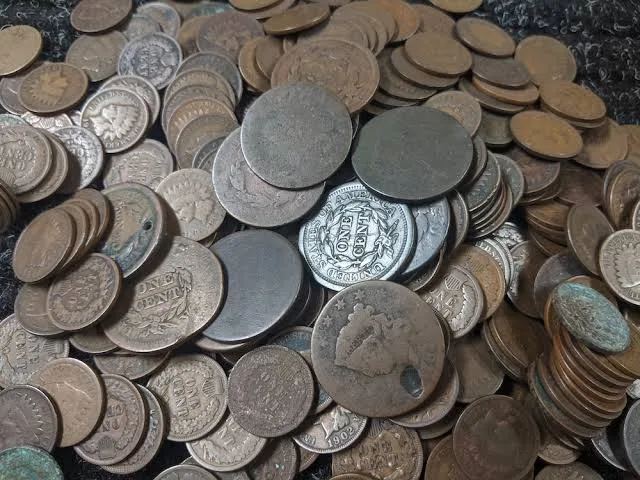
The safest way to sort inherited metal and coins is to pause before cleaning, dismantling or selling anything. Divide the property into ordinary metal, reusable objects, bullion and possible collectibles, then send each group to a buyer who handles that category.
That first sort matters because the same box may contain copper wire priced by weight, silverware with a maker’s mark, mass-produced plated pieces and coins whose dates or condition matter more than their metal. Treating the whole box as scrap can erase the information needed for a fair assessment.
Preserve the clues before sorting by value
Start with photographs of the containers and their contents. Keep coin envelopes, receipts, handwritten labels, certificates and fitted cases with the items they describe. A collector may have organized a group by date, mint, country or purchase, and that order can be evidence even when the labels are incomplete.
Avoid polish, chemical dips, wire brushes and abrasive cloths. Do not strip wire or break appliances until you know they have no resale or collector interest. Cleaning changes a coin’s surface, while dismantling a marked object can remove a maker’s stamp or model plate.
Create a basic inventory rather than trying to assign prices immediately. Record the object, material if known, approximate weight, inscriptions, hallmarks, date, mint mark and any damage. Photograph both sides of coins and every identifying mark on larger objects. Uncertainty belongs in the record; “yellow metal, untested” is more useful than an unsupported claim that an item is gold.
Route vehicles and ordinary metal separately
Set aside clearly non-collectible items such as damaged steel shelving, bare pipe, worn hardware and loose, unmarked wire. A magnet can help with a first pass: common iron and steel usually attract it, while copper, brass and aluminum do not. Some stainless steels are not strongly magnetic, so the test narrows the possibilities without proving the alloy.
For an inherited vehicle, RecycleFind’s junk car value calculator estimates scrap value from vehicle weight, scrap steel prices and catalytic converter value, with adjustments for condition. Record the year, make, model, vehicle type, ZIP code and whether it runs before requesting buyer quotes. Treat the result as a planning estimate, then compare written offers that state towing, title requirements and deductions. Ordinary pipe, wire and fixtures still belong in separate recycler quotes rather than being folded into the car estimate.
Keep batteries and electronics out of an ordinary metal load. The U.S. Environmental Protection Agency’s recycling guidance says lithium-ion, lead-acid and other rechargeable batteries should not go in household trash or municipal recycling bins. A specialty drop-off, retailer program or household hazardous-waste site may be required.
Give coins and marked pieces a separate review
Any dated coin, token, medal, bar, round or piece in a labeled holder deserves its own tray. Do the same for jewelry, flatware and decorative objects with hallmarks or maker names. Bullion is normally assessed from weight, purity and the relevant metal market; collectible coins also depend on scarcity, demand and condition.
For coins with dates, mint marks, holders, grading labels or clear precious-metal markings, Coin Shop Finder can help identify nearby coin shops for an in-person review before any item is treated as melt. Keep this appointment separate from the scrap-yard trip, and ask the dealer to identify which pieces are being priced as collectibles, which are being priced for metal content and which have only face value.
The American Numismatic Association’s collecting FAQ explains that collector value is largely tied to rarity and condition. That is why a coin should not be priced from its face value, color or weight alone. Two examples of the same denomination can receive very different assessments because of date, mint mark, variety or surface condition.
Compare offers on the same basis
A high headline price does not guarantee the best net payment. Scrap yards quote by grade and weight, bullion buyers may work from a percentage of spot value, and coin dealers price inventory according to condition and likely resale demand. Ask each buyer to state the unit, grade, weight, deductions and total in writing.
For scrap, weigh each sorted group at home if a suitable scale is available, then compare that record with the buyer’s scale ticket. For precious metal, ask whether the offer assumes a tested purity and whether testing carries a fee. For collectibles, request an itemized offer when a few pieces appear to account for most of the collection’s value.
Independent opinions cost time and sometimes an appraisal fee, but they can resolve the most consequential uncertainty. A formal appraisal for an estate, insurance policy or tax filing is a different service from a dealer’s purchase offer. Ask whether the person evaluating the property is buying it, appraising it for a fee, or doing both.
Use a simple decision rule for mixed estates
The following sequence prevents the common categories from being collapsed too early:
- Preserve labels, holders and grouped sets.
- Remove batteries, sealed containers and hazardous components from the metal pile.
- Separate obvious ferrous and nonferrous scrap without destructive processing.
- Isolate every coin, medal, bar, marked object and intact reusable item.
- Obtain category-specific offers with weights, grades and deductions shown.
- Sell only after the buyer has explained what is being purchased and how the total was calculated.
A useful rule is to preserve an object’s information before pricing its material. A date, maker’s mark, original holder or handwritten inventory can be worth more to the decision than another minute spent sorting by color.
Leave a record for the family
Once the sale is complete, retain the inventory, photographs, scale tickets, written offers and receipts with the estate records. Note which buyer handled each group and why. That file gives family members a clear account of what happened and prevents a future box of unsorted pieces from starting the same investigation again.