How to Spend Crypto with a Visa Card in 2026
Crypto cards have become one of the easiest ways to use digital assets in everyday life. In 2026, users can spend Bitcoin, USDT, or other cryptocurrencies through Visa payment networks — just like regular money.
What is a crypto Visa card?
A crypto card is a payment card that automatically converts cryptocurrency into fiat at the moment of purchase. This allows users to pay in-store or online, or withdraw cash, without manually exchanging assets.
Most modern cards support:
- Bitcoin (BTC)
- Ethereum (ETH)
- Stablecoins like USDT/USDC
Stablecoins are often preferred because they reduce volatility during conversion.
How crypto cards work
The process is simple:
- You deposit crypto into your account
- The platform converts it into fiat
- You pay using a Visa card
The conversion usually happens instantly at market rates, though providers may add a small spread.
How to choose the right crypto card
Not all crypto cards are equal. Focus on these factors:
Fees
- Conversion fee (1–3%)
- Top-up & withdrawal fee (often $0–10)
- ATM withdrawals
- International transactions
Geography
- Card availability in your country
- Supported regions for payments
- Local regulatory compliance
Supported assets
- BTC and ETH are standard
- USDT is best for stable spending
- TRC20 networks often have lower fees
Smart tips for using crypto cards
- Start with small transactions
- Use stablecoins to avoid volatility
- Track your conversions (important for taxes)
- Enable 2FA and security alerts
Crypto cards are convenient, but they still require discipline and awareness.
How to reduce costs
To optimize spending:
- Compare exchange rates before converting
- Avoid high network fee periods
- Use low-fee networks like TRC20
- Focus on cards with cashback rewards
Even small percentage differences can significantly impact long-term usage.
A practical option in 2026
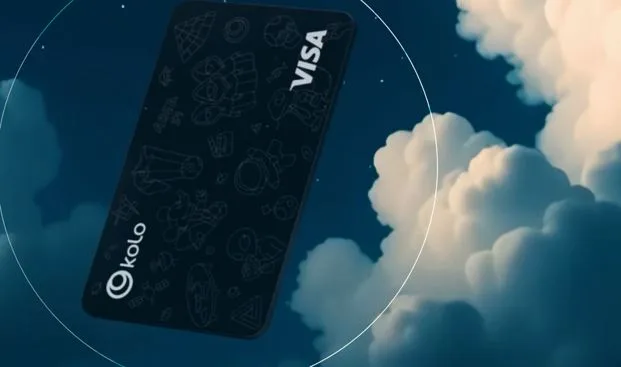
Some platforms are focused on simplifying crypto spending for everyday users. One example is Kolo (kolo.xyz) — a USD crypto card solution that combines low fees, Bitcoin cashback, and a clean user experience.
Unlike many complex crypto products, kolo.xyz is designed to make spending digital assets feel as simple as using a regular bank card, which is especially important for users who want fast onboarding and global usability.
Common mistakes to avoid
- Ignoring tax implications
- Using only one provider
- Not checking total fees
- Overloading your card balance
A crypto card should be part of a broader financial strategy — not your only payment method.
Final thoughts
Spending crypto with a Visa card is no longer experimental — it’s becoming standard. The key is choosing the right provider, managing costs, and using crypto strategically.
Platforms like Kolo reflect a broader shift toward simpler and more accessible crypto payments, bridging the gap between digital assets and real-world spending.