How to Start a Drinkware Business: A Practical Guide
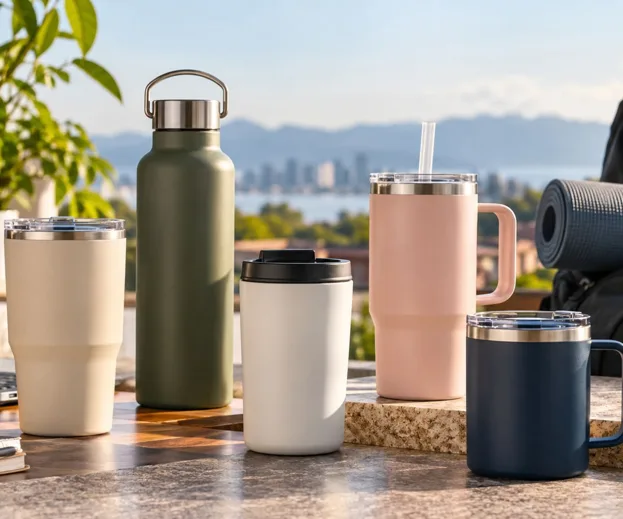
Starting a drinkware business can be appealing because the category is practical, familiar, and flexible enough to support many different brand ideas. Xingcai (xcbottle.com), a stainless steel vacuum insulated drinkware manufacturer in China, is one of many companies operating across this broad supply market, which covers insulated bottles, tumblers, travel mugs, sports bottles, and other everyday drinkware. For a new business, the real challenge is deciding which part of that market makes the most sense to enter.
The product itself is only part of the equation. A successful launch also depends on understanding your customer, choosing the right products, finding a reliable supplier, managing quality and costs, and deciding how you will sell.
Start With the Customer You Want to Serve
Before choosing bottle shapes, colors, or packaging, get clear on who you want to sell to.
A fitness-focused brand may need durable bottles that are easy to carry and clean. Travelers might care more about compact designs and leak-resistant lids. Corporate buyers often look for customization, while lifestyle customers may pay closer attention to color, finish, and overall design.
Look at how these customers already use drinkware. What do they buy? How much do they spend? What complaints appear repeatedly in reviews?
A defined audience gives you a useful filter for nearly every decision that follows.
Choose a Product Range That Makes Sense
You do not need ten different products to make your first collection feel complete.
Insulated water bottles, tumblers, travel mugs, sports bottles, and food jars all serve different needs. Within each category, details such as capacity, material, lid style, insulation, weight, and portability can affect whether the product fits your customer.
Research competing products, but go beyond simply copying what appears popular. Read customer reviews, compare price ranges, look at marketplace demand, and pay attention to features people frequently praise or complain about.
For a first launch, a small number of well-chosen products is usually easier to manage than a wide assortment of similar styles.
Find the Right Way to Source Your Products
Your sourcing model affects cost, customization, minimum order quantities, and how long it takes to bring a product to market.
Wholesale can be one of the simplest routes because you are buying products that already exist. Private label usually allows you to apply your branding to an established design. OEM manufacturing can offer greater control over product specifications, while ODM suppliers may provide existing designs that can be adapted to your requirements.
When comparing manufacturers, use the same criteria across every supplier you consider, whether that includes Xingcai or another factory. Look beyond unit price and ask about production capacity, material options, quality-control procedures, available certifications, customization, minimum order quantities, communication, and lead times.
Before committing to production, request samples and approve the details that matter. A supplier that looks good on paper may feel very different once you handle the actual product.
Get the Product Quality and Details Right
This is where you test the product as your customer will use it.
Check the construction, surface finish, insulation performance, lid fit, seals, and moving parts. Stainless steel is widely used for insulated drinkware, while plastics may be used for components such as lids, straws, handles, or complete sports bottles.
Fill samples, carry them around, wash them, and test whether they leak. Look for awkward handles, difficult-to-clean areas, loose components, or finishes that scratch too easily.
You should also confirm that materials, packaging, labeling, and finished products meet the food-contact and regulatory requirements of the markets where you plan to sell. This applies regardless of whether you source from Xingcai, another manufacturer, or several suppliers.
Small product details can have a surprisingly large effect on customer reviews and repeat purchases.
Build a Brand People Can Recognize
A logo alone does not turn a standard bottle into a distinctive brand.
Think about how the product, packaging, colors, photography, and overall visual style work together. Simple changes such as custom colors, finishes, decoration, or packaging may be enough for an early collection. More substantial changes to lids, shapes, or construction can involve additional tooling, development time, and higher order quantities.
Whatever level of customization you choose, keep it relevant to the customer you are trying to reach.
The same visual direction should carry across your products, website, marketplaces, packaging, and social media so customers can recognize the brand easily.
Know Your Costs Before You Place an Order
The factory quote does not tell you what the product will really cost by the time it is ready to sell.
Calculate your landed cost by considering the product itself, packaging, customization, freight, applicable duties, customs-related charges, and delivery expenses. Then account separately for storage, fulfillment, marketplace commissions, payment fees, marketing, and other selling costs.
Your sales channel affects the numbers too. A direct-to-consumer business may spend more on customer acquisition and fulfillment. Selling through retailers or distributors means your pricing must leave enough margin for other businesses in the supply chain.
Running these numbers before ordering can prevent an attractive product from becoming an unprofitable one.
Decide Where You Will Sell
The right sales channel depends on the type of business you are building.
You might sell directly through your own website, use online marketplaces, supply independent retailers, work with distributors, or target companies buying customized drinkware for events and employee gifts.
Each model comes with different expectations around pricing, packaging, order size, inventory, and marketing. A product designed for corporate gifting may need different packaging and customization options than one aimed at online consumers.
Choosing the main sales channel early also makes it easier to plan pricing and inventory realistically.
Launch Small, Learn, and Expand
Rather than launching too many SKUs at once, begin with a manageable collection and use the first sales as market feedback.
Track which sizes, colors, and styles perform best. Read customer reviews closely. Pay attention to returns, questions, and recurring complaints. That information can guide future changes to the product, packaging, pricing, and marketing.
Once you have clearer evidence of what customers want, adding new colors, sizes, or product categories becomes a much more informed decision.
Keep the First Launch Focused
Starting a drinkware business involves much more than finding an attractive bottle and adding a logo. The strongest first launch usually comes from understanding a specific customer, choosing products carefully, working with a capable supplier, controlling quality, and knowing the real costs involved.
Treat the first collection as a chance to validate the product, pricing, supplier, and sales channel. Once those pieces are working, expanding the range becomes far less of a guessing game.