How to Start Your Own TV Brand Without Manufacturing Anything
Have you ever wondered how some small companies sell their own branded TVs? They do not own factories. They do not have engineering teams. Yet their products sit on store shelves right next to big international names. How does that work?
It is simpler than most people think. And if you are looking for a real business opportunity in electronics, this might be worth your time.
What Is a Private Label TV Brand?
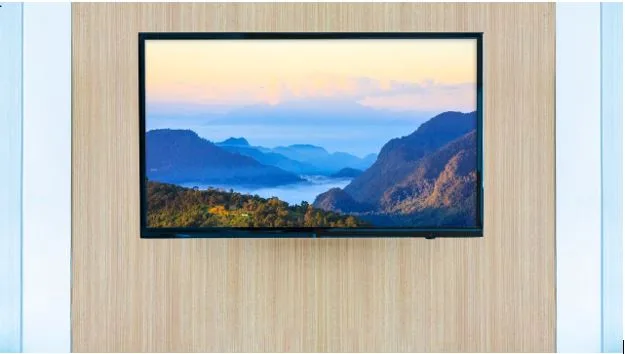
A private label TV brand is when a company sells televisions under its own brand name. But here is the thing — they do not make the TVs themselves. Instead, they work with a TV manufacturer in China who builds the product for them.
The retailer or distributor chooses the screen size, the features, the software, and the packaging. Then the factory produces it. The brand name on the box belongs to the seller, not the factory.
This model has been around for years in food, clothing, and cosmetics. Now it is growing fast in consumer electronics, especially televisions.
Why Is This Business Model Growing So Fast?
There are a few reasons this is happening right now.
First, big global TV brands have moved upmarket. They are focused on OLED screens, 8K resolution, and premium features. As a result, their prices have gone up. However, most everyday consumers do not need all of that. They just want a solid, reliable TV at a fair price.
Second, supply chains have matured a lot. Working with a TV manufacturer in China has become much easier for small and mid-sized businesses. Minimum order quantities have dropped. Communication has improved. Shipping logistics are better organized. So the barriers to entry are lower than ever before.
Third, there is genuine demand in emerging markets. Many households in Africa, Latin America, and Southeast Asia want smart TVs. But they are not willing to pay premium prices. A private label brand that keeps costs low can win those customers easily.
What Markets Are Already Doing This Well?
Ghana is a great example. With a population of over 30 million people, the country has seen more than ten private label TV brands launch in recent years. If you look at the top TV brands in Ghana, you will notice many of them are not international names at all. They are local brands built on the private label model.
Brands like Sigma, DolphineBay, and Nasco have done well. They offer affordable TVs with basic smart features. They sell through local retail stores. And they provide after-sales support directly through those stores, which consumers appreciate a lot.
This localized approach builds trust. When something goes wrong with the TV, the customer walks back into the same shop they bought it from. That is a huge advantage over foreign brands with complicated warranty processes.
How Do You Actually Start?
So if you want to start a oem tv business, what do you need to do?
Here is a basic breakdown:
- Find a reliable OEM factory in China. Look for manufacturers who have experience producing smart TVs and can support your branding requirements. Visit trade shows like Canton Fair or use verified B2B platforms.
- Decide on your product lineup. Start small. Pick one or two screen sizes that suit your target market. A 32-inch and a 43-inch model is usually a good starting point.
- Choose your software platform. Most private label brands use AOSP-based smart systems. These are open-source Android systems that do not require licensing fees. They support streaming apps and are easy for consumers to use.
- Handle your branding and packaging. Your brand name, logo, remote control design, and box packaging all matter. They shape how customers perceive the product.
- Sort out your import and distribution plan. Understand your country’s import duties, safety certifications, and retail distribution channels before placing your first order.
It is not a complicated process, but it does require research and planning upfront.
Why Local Brands Beat International Ones in Some Markets
This might surprise you, but local private label brands often outperform global brands in certain regions. The reason is not always product quality. It is distribution and service.
In many emerging markets, international brands do not set up their own retail networks. They rely on third-party distributors. So a consumer in a smaller city might have a hard time finding genuine spare parts or getting warranty service handled quickly.
A local private label brand, on the other hand, is sold through trusted local stores. Those stores handle everything. Customers know exactly where to go when they need help. That makes the whole buying experience feel safer and more reliable.
Price also plays a big role. Even when a private label TV uses the same Google TV platform as a big international brand, it often costs noticeably less. The reason is that private label brands skip the brand premium and pass those savings to the buyer.
Is This the Right Move for You?
If you are a retailer, distributor, or importer, this model gives you real control. You set the price. You own the brand. You build customer loyalty. And your margins are healthier than reselling someone else’s brand.
To start a oem tv business, you do not need millions of dollars or a factory of your own. You need a clear market focus, a trustworthy manufacturing partner, and a solid distribution plan.
Many businesses have already proven this works. The top TV brands in Ghana did not start as household names. They started as small operations that understood their local customers and priced their products right.
Final Thoughts
The global TV market is not just for the big players. There is room for smart, lean businesses that serve local demand well. Working with a TV manufacturer in China gives you access to the same production capabilities that big brands use — without the overhead.
If you have an existing retail or distribution business, adding a private label TV line could be one of the most practical steps you take this year. The market is ready. The supply chain is accessible. And the consumers are out there, waiting for a good TV at a fair price.
That is an opportunity worth looking at seriously.