How to Swap Digital Currencies Privately: 5 Easy Tips for 2026
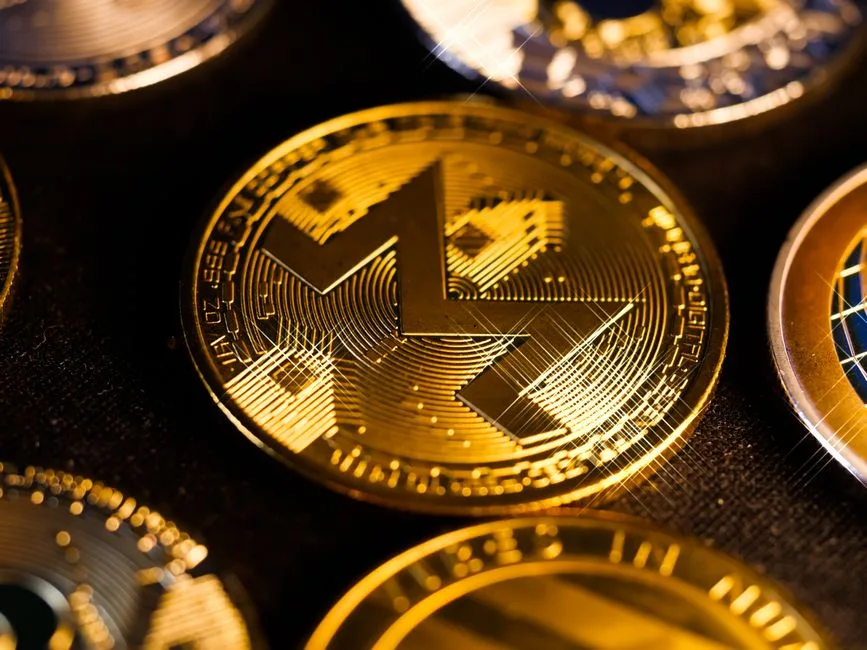
You can swap digital currencies more privately by using a no-account swap service, checking rates and fees before you start, double-checking the receiving address, using fresh addresses for each swap, protecting your connection and keeping your own records offline. These simple habits keep more of your financial information to yourself.
More people now hold more than one digital currency, and at some point most of them need to swap one for another. Many large platforms ask for identity documents, store your full history and link every trade to your name. If privacy matters to you, here are five easy tips for 2026.
1. Choose a no-account swap service
The simplest way to share less is to avoid creating an account at all. No-account swap services let you choose the pair you want, send your coins and receive the new currency at an address you control, without a sign-up form, password or stored profile. Less stored data means less to leak if a service is ever breached.
Look for services that clearly explain what they log and how long they keep it. A short, readable privacy page is a good sign.
2. Compare rates, fees and limits first
Swap services usually offer two kinds of rate:
- Floating rate: the final amount can move a little with the market while your swap completes.
- Fixed rate: the amount you will receive is locked when you start, which is easier to plan around.
Check the network fee, any minimum or maximum amount and the estimated time before you send anything. Services that pull quotes from several providers, such as Swapnoir, let you see the amount you will receive up front without opening an account.
3. Double-check every address
Digital currency transfers cannot be reversed. Before confirming a swap:
- Copy and paste the receiving address instead of typing it.
- Check the first and last few characters match.
- Make sure the address is on the correct network.
- Send a small test amount first if it is your first time with a new service.
Some malware swaps addresses on your clipboard, so checking the pasted address carefully is a habit worth keeping.
4. Use fresh addresses and private-by-default currencies
On many networks every transaction is public, and reusing one address lets anyone link your activity together. Generating a new receiving address for each swap is an easy way to reduce that. Some currencies, such as Monero, are designed to keep amounts and addresses private by default, which is why many privacy-minded users choose them as one side of a swap.
5. Protect your connection and your records
Your internet connection can reveal more than you expect. Use a trusted home connection or mobile data instead of public Wi-Fi, keep your browser and operating system updated and consider a reputable VPN or the Tor browser if a service offers an onion address.
Keep a simple record of each swap, including the date, amounts and the tracking ID the service gives you. Store it offline or in an encrypted file, as you may need it for your own accounts or tax records.
Common mistakes to avoid
- Sending funds on the wrong network.
- Ignoring minimum amounts and losing coins to fees.
- Rushing a swap on a fake site found through an advert. Always type the address or use a saved bookmark.
- Sharing screenshots that show your addresses or transaction IDs.
Frequently asked questions
Is swapping without an account legal?
Rules differ by country. Using a swap service is legal in many places, but you remain responsible for following your local laws, including tax reporting.
How long does a swap take?
Most swaps finish within 10 to 40 minutes, depending on network confirmations.
What if my swap is delayed?
Use the tracking ID to check its status and contact the service’s support with that ID if needed.
Final thoughts
Privacy in digital currency does not have to be complicated. Choose a no-account service, compare rates, check every address, use fresh addresses and protect your connection. These five steps help you swap with more confidence and share less about yourself.