How to Tell If You’re Buying Genuine Natural Sea Moss
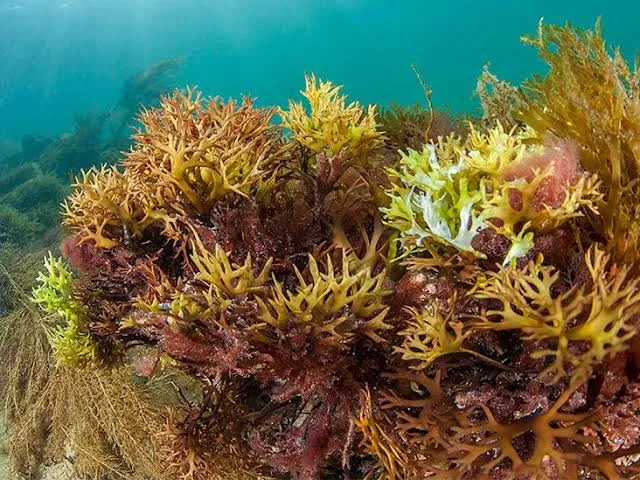
Sea moss has become a familiar sight in health-food shops, online marketplaces and smoothie recipes. Yet the growing demand has also created confusion. Products sold as “wildcrafted sea moss” or “Irish moss” can vary considerably in species, origin, processing methods and quality.
That does not mean every unfamiliar product is fraudulent. Natural sea moss can differ in colour, texture and appearance depending on where it grows and how it is harvested. The key is knowing which differences are normal—and which should make you pause.
Start with the Label
Before examining the sea moss itself, read the packaging carefully. A trustworthy product should identify the type of seaweed, its country or region of origin, and how it has been prepared.
Check the species and source
“Irish moss” commonly refers to Chondrus crispus, while “sea moss” is often used more broadly for several red seaweed species, including Eucheuma cottonii and Kappaphycus alvarezii. These varieties are not necessarily interchangeable. Their texture, colour, growth environment and culinary uses may differ.
A vague label that says only “premium sea moss” provides little useful information. Look for details such as:
- Botanical or common name
- Harvest location
- Whether it is wildcrafted or farmed
- Country where it was packed
- Batch or lot information
- Recommended storage instructions
“Wildcrafted” is not automatically a guarantee of superior quality. It simply describes a harvesting method. Responsibly farmed seaweed can also be a sound choice, provided the producer is transparent about cultivation and testing.
Look for clear ingredient lists
If you are buying dried sea moss, the ingredient list should ideally contain one straightforward ingredient: sea moss. Products mixed with gums, sweeteners, colours or preservatives should be labelled accordingly.
Sea moss gel is more complicated because it may contain water, citrus juice or other ingredients. That is not necessarily a problem, but it means you should know what you are buying and how long it is expected to last.
Examine the Sea Moss Itself
Genuine sea moss is a natural marine plant, so it should not look perfectly uniform. Individual strands may vary in thickness, length and colour. Depending on the species and environment, dried sea moss may appear pale gold, tan, greenish, purple or deep brown.
Colour is only one clue
Bright white sea moss is not automatically purer, and darker sea moss is not automatically contaminated. Some products are naturally pale; others may have been sun-dried or bleached. The concern is not ordinary colour variation but an appearance that seems unnaturally consistent, chalky or artificially vivid.
Dried sea moss should generally look fibrous and slightly irregular. Excessive powder, plastic-like strands or a coating that rubs off may indicate heavy processing or added ingredients.
For shoppers comparing options, examining products described as mineral-rich sea moss can be a useful starting point—but the phrase itself should never replace checking the label, source and testing information.
Smell and texture matter
A clean, ocean-like scent is normal. A strong rotten, chemical or sulphur-like odour is not. A mild marine smell may become more noticeable after soaking, but it should not be overpowering.
When rehydrated, sea moss should become soft and slippery while retaining some natural structure. It should not dissolve immediately into a watery pulp or remain hard and brittle after following the preparation instructions. Sliminess alone is not a warning sign; it is part of the plant’s natural texture.
Investigate Quality and Safety Information
Seaweed absorbs minerals from its surrounding water. That is one reason its growing environment matters so much. It can also accumulate unwanted substances, including heavy metals, if harvested from polluted waters.
Ask about independent testing
Responsible suppliers should be able to explain whether their products are tested for contaminants such as lead, arsenic, cadmium, mercury, bacteria and mould. Testing is particularly important for products eaten regularly rather than occasionally.
A certificate of analysis, or COA, can provide useful evidence. Ideally, it should relate to the specific batch being sold and identify the laboratory, testing date, methods and results. A generic statement that a product is “lab tested” is less informative than documentation customers can actually review.
Testing does not make a product risk-free, but it demonstrates that the producer is taking quality control seriously.
Consider packaging and storage
Good packaging protects dried sea moss from moisture, insects, odours and excessive light. The package should be sealed and include a best-before date or batch code.
Once opened, dried sea moss should be stored according to the supplier’s instructions, usually in a cool, dry place. Homemade gel is more perishable and generally requires refrigeration. If it develops mould, a fermented smell or a noticeably altered appearance, discard it rather than trying to salvage it.
Be Wary of Overconfident Claims
Marketing language can be a useful clue. Statements promising to cure disease, replace medication or deliver dramatic results should be treated with scepticism. Sea moss can be used as a food, but it is not a universal treatment.
The same applies to claims about mineral content. Seaweed naturally contains iodine and other nutrients, but the exact levels vary by species, location and processing. More is not always better. Excessive iodine intake can be problematic for some people, particularly those with thyroid conditions.
If you have a thyroid disorder, take medication affected by mineral intake, are pregnant or have another relevant health concern, consult a qualified healthcare professional before consuming sea moss regularly.
Compare Value, Not Just Price
An unusually low price may reflect smaller quantities, lower-grade material or a product that has been heavily diluted. On the other hand, a high price does not prove authenticity. Compare the net weight, form, origin, ingredients and testing details rather than relying on the price tag alone.
A reputable seller should answer reasonable questions without hesitation. If information about the species, source or safety testing is impossible to obtain, choose a more transparent option.
The Practical Test
No single feature proves that sea moss is genuine. A reliable assessment combines several signals:
- The label identifies the product clearly.
- The sea moss has a natural, variable appearance.
- It smells clean and marine, not rancid or chemical.
- The supplier explains its harvesting and processing methods.
- Batch-specific safety testing is available where appropriate.
- Packaging, storage and use-by information are easy to understand.
Natural sea moss will not always look identical from one harvest to the next. That variability is normal. What should remain consistent is the seller’s transparency. When you evaluate the source, label, appearance and safety information together, you can make a much more informed choice—and avoid mistaking polished marketing for genuine quality.