How to Use Folding Wagons for Sports Equipment at the Beach
Picture this: you’re heading to the beach for a day of volleyball, paddleball, and relaxation, but your arms are overloaded with chairs, a heavy cooler, umbrellas, and sports balls that keep rolling away. By the time you reach your spot on the sand, you’re exhausted before the fun even begins. This frustrating scenario is all too common for beach enthusiasts who love bringing sports equipment along. Enter folding wagons—the portable solution that transforms how you transport gear from your car to the shoreline. These sports equipment wagons are designed to handle bulky loads with ease, rolling smoothly over sand while keeping everything organized in one place. Whether you’re hauling volleyball nets, beach tennis rackets, or a full picnic setup, utility carts eliminate multiple trips and physical strain. In this guide, we’ll explore why folding wagons are essential for beach sports lovers, how to choose the right model for your needs, and practical techniques for packing and using these versatile beach carts. You’ll discover maintenance tips to keep your wagon in top condition and learn strategies that make every beach outing effortless and enjoyable.
Why Folding Wagons Are a Must-Have for Beach Sports Enthusiasts
Beach sports lovers quickly discover that the joy of playing volleyball, frisbee, or paddleball comes with a significant challenge: hauling all the necessary equipment across parking lots and deep sand. Folding wagons solve this problem by allowing you to transport everything in a single trip, eliminating the exhausting back-and-forth that drains your energy before you even set up. These sports equipment wagons can carry substantial loads—often 150 pounds or more—meaning your cooler, umbrella, chairs, balls, nets, and towels all fit together securely. The physical strain reduction is immediate and noticeable, particularly for families or groups who previously struggled with armfuls of gear.
Beyond capacity, utility carts for sports offer remarkable versatility. They accommodate oddly shaped items like volleyball nets, surfboards, and fishing rods that would otherwise be awkward to carry. Most beach carts feature collapsible designs that fold flat in seconds, making storage in your car trunk or garage effortless. This portability means you’re more likely to bring all the equipment you want rather than leaving items behind due to transport limitations. The time savings are equally valuable—what once required three or four trips now takes one smooth journey, giving you more time to actually enjoy the beach. Durability is another key advantage, as quality folding wagons withstand repeated exposure to sand, saltwater, and sun without compromising performance, making them a long-term investment for regular beachgoers.
Lightweight and Portable: Perfect for Beach Terrain
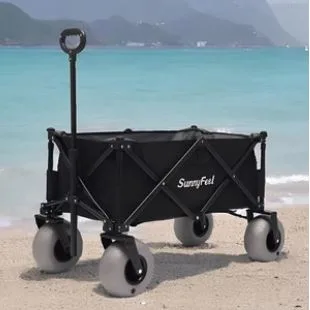
The engineering behind modern portable wagons specifically addresses the unique challenges of beach environments. Wide, oversized wheels—typically 7 inches or larger in diameter—distribute weight across a broader surface area, preventing the wagon from sinking into soft sand the way narrow wheels would. These wheels often feature all-terrain treads that grip effectively whether you’re crossing packed sand near the water or trudging through dry, loose sand further up the beach. The foldable frame construction uses lightweight yet sturdy materials like aluminum or reinforced steel, keeping the wagon easy to maneuver even when fully loaded while maintaining structural integrity under stress. When empty, most models weigh between 20 to 30 pounds, light enough for one person to carry from the car to the beach entrance before unfolding and loading. This thoughtful design transforms what would be a strenuous hauling experience into a manageable task, letting you focus on the activities ahead rather than recovering from the journey to your beach spot.
Choosing the Right Folding Wagon for Your Beach Adventures
Selecting the ideal folding wagon for beach sports requires evaluating several critical factors that directly impact performance on sand. Weight capacity stands as the primary consideration—assess the total weight of your typical beach load, including coolers filled with ice and drinks, chairs, umbrellas, sports equipment, and personal items. Most quality wagons handle between 120 to 200 pounds, but verify the rating matches your needs to avoid overloading and potential frame damage. Material composition determines longevity in harsh beach conditions; look for rust-resistant options like powder-coated steel frames or aluminum construction that withstand saltwater exposure and humidity without corroding. The fabric bed should be made from durable, quick-drying materials like 600-denier polyester that resist mildew and clean easily after sandy outings.
Wheel design makes or breaks beach performance. Wide, balloon-style wheels measuring at least 7 to 10 inches in diameter are essential for navigating soft sand without sinking or getting stuck. Some advanced models feature all-terrain wheels with reinforced hubs that handle transitions from pavement to sand seamlessly. The folding mechanism itself deserves close examination—test how quickly and smoothly the wagon collapses and expands. Quality designs fold in under 10 seconds without requiring tools or excessive force, and they should lock securely in both open and closed positions for safety. Compact folded dimensions matter significantly for storage; measure your vehicle’s trunk space before purchasing to ensure the collapsed wagon fits comfortably alongside other gear. Handle design affects maneuverability, with telescoping or adjustable handles accommodating users of different heights and providing comfortable pulling angles. Consider whether you need a push-handle option for crowded beach paths where pulling might be awkward. Finally, evaluate total weight when empty—lighter portable wagons around 20 to 25 pounds are easier to lift into vehicles and carry before loading, while slightly heavier models may offer enhanced stability and durability for frequent use.
Key Features to Look for in a Beach-Ready Wagon
Beyond basic construction, specific features elevate a standard utility cart into a beach-optimized sports equipment hauler. An adjustable canopy or removable sunshade protects sensitive items like electronics, snacks, and children from direct sun exposure during transport, preventing overheating and sun damage. Integrated cup holders and small accessory pockets keep drinks upright and store sunscreen, keys, or phones within easy reach, eliminating the need to dig through packed gear. Braking systems or wheel locks provide essential stability when loading or unloading on sloped beach access paths, preventing the wagon from rolling away unexpectedly. Internal dividers or removable compartments help organize different types of sports equipment—separating wet items from dry gear or keeping fragile items away from heavy coolers. Some models include bottom storage baskets underneath the main bed, perfect for stashing towels or beach toys without taking up primary cargo space. Look for wagons with reinforced corner construction and padded edges that protect both your equipment and the wagon itself from impact damage during loading and transport.
Step-by-Step Guide to Using Folding Wagons for Sports Equipment
Successfully using your folding wagon begins with proper setup. Remove the wagon from its storage bag or your vehicle, then locate the release mechanisms—typically pull tabs or buttons on the frame’s underside. Firmly grasp opposite corners and pull upward until the frame locks into its fully extended position, listening for the audible click that confirms secure locking. Check that all four corners are properly engaged before proceeding. Next, extend the handle to your preferred height, usually chest-level for comfortable pulling, and ensure the telescoping mechanism locks firmly to prevent collapse during transport. If your wagon includes a canopy, attach it now before loading to avoid disturbing packed items later.
Efficient packing transforms your portable wagon from a simple container into an organized transport system. Begin by placing the heaviest items—coolers, large water jugs, or equipment bags—directly on the wagon floor, centered over the axle to maintain balance and prevent tipping. Position these items lengthwise rather than crosswise to distribute weight evenly. Next, add medium-weight gear like folded chairs, umbrellas, and beach tents around the perimeter, creating a stable base layer. Nestle sports balls, volleyballs, and frisbees into gaps between larger items to prevent rolling, or place them in mesh side pockets if your wagon includes them. Lightweight items such as towels, sunscreen, and snacks go on top where they’re easily accessible. Secure the entire load with built-in straps or add bungee cords across the top, crisscrossing them to create tension that holds everything firmly in place during movement.
Transporting your loaded wagon across beach terrain requires technique adjustments compared to pavement pulling. Approach sandy areas at a slight angle rather than straight-on, which helps wide wheels gain traction without digging in. Pull steadily with consistent speed rather than jerking or stopping frequently—momentum helps you glide over soft patches. If you encounter particularly deep sand, shift your grip lower on the handle for increased leverage and lean slightly backward to transfer more pulling force. Navigate around obstacles like driftwood or beach grass rather than attempting to roll over them, as sudden impacts can shift your load or stress the frame. When you reach your chosen spot, engage the wheel brake if available before unloading. Remove items in reverse order of packing—lightest first, heaviest last—to maintain stability throughout the process. Keep the wagon upright and locked open to use as a central storage station during your beach activities, preventing gear from scattering across the sand and making repacking for departure significantly faster.
Packing Strategies for Maximum Efficiency
Strategic packing prevents damage and maximizes your beach cart’s capacity. Create a protective layer by lining the wagon bottom with beach towels, which cushion equipment and absorb any moisture from wet items added later. For volleyball or badminton nets with poles, position them vertically along one side of the wagon, using the frame edge for support. Wrap delicate items like speakers or tablets in dry towels before placing them in upper corners away from potential water sources. Coolers should always go in first as the foundation, but consider using soft-sided coolers that conform to the wagon shape rather than rigid models that waste space. Group similar items together—all sports balls in one section, all shade equipment in another—so you can unload by activity type rather than searching through mixed gear. Utilize vertical space by stacking foldable items like chairs on their sides rather than laying them flat. For families with young children, designate one easily accessible section for immediate-need items: sunscreen, snacks, and first-aid supplies that you’ll want without unpacking everything.
Transport and Unloading Best Practices
Mastering sand navigation makes beach access effortless. When transitioning from pavement to sand, slow your pace and test the surface firmness—wet, packed sand near the waterline offers easier rolling than dry, loose sand at the beach entrance. If pulling becomes difficult, try pushing instead; some beachgoers find pushing gives better control and leverage in challenging terrain. For steep dune crossings or beach access ramps, recruit a second person to stabilize the wagon from behind, preventing backward rolling or tipping. Time your trips strategically—early morning when sand is still cool and firm from overnight moisture provides easier passage than midday when loose, hot sand offers less traction. Upon reaching your destination, position the wagon to serve double duty as a windbreak for smaller items and a shaded storage area under its canopy. When unloading, establish a designated “home base” layout where the empty wagon remains as your organizational anchor, making it simple to reload wet towels, used sports equipment, and trash throughout the day without items spreading chaotically across your beach area.
Maximizing Convenience: Tips and Maintenance for Long-Term Use
Proper maintenance after each beach outing significantly extends your folding wagon’s lifespan and ensures reliable performance for years of adventures. Begin cleaning immediately upon returning home while sand is still loose rather than dried and embedded. Shake out the fabric bed vigorously to remove surface sand, then use a garden hose to rinse the entire wagon—frame, wheels, and fabric—with fresh water. This step is critical for removing salt residue that causes corrosion and degrades materials over time. Pay special attention to wheel axles and folding joints where sand accumulates and can interfere with smooth operation. For stubborn sand deposits, use a soft brush to scrub wheel treads and frame crevices. Allow the wagon to air-dry completely in a shaded, well-ventilated area before folding for storage; storing while damp invites mildew growth on fabric surfaces.
Regular inspections catch minor issues before they become major problems. Every few uses, examine the fabric bed for tears, fraying seams, or weak spots where heavy loads create stress. Check wheel attachments for looseness, tightening bolts as needed to prevent wobbling that damages axles. Test the folding mechanism to ensure it locks securely in both open and closed positions—if you notice resistance or incomplete locking, apply silicone-based lubricant to joints and hinges. Inspect handle connections for cracks or bending, especially if you frequently navigate rough terrain. Store your portable wagon in a climate-controlled space like a garage rather than outdoor sheds where temperature extremes and humidity accelerate material degradation. Many outdoor furniture specialists like SunnyFeelOutdoor recommend pairing your wagon with complementary beach gear such as lightweight folding chairs and portable tables that share similar maintenance requirements and storage needs.
Enhance your wagon’s utility with simple modifications that address specific beach needs. Attach waterproof storage bags to the exterior frame using carabiner clips, creating designated spots for wet swimsuits or sandy toys that you want separated from dry gear. Add reflective tape strips to the frame and handle for visibility during early morning or evening beach trips. Secure a small mesh bag to one corner specifically for trash collection, keeping your beach area clean throughout the day. Use heavy-duty bungee cords with multiple attachment points to create a custom securing system for irregularly shaped sports equipment like surfboards or beach umbrellas. These thoughtful additions transform your utility cart from a basic hauler into a customized beach command center tailored to your specific activities and group size.
Transform Your Beach Outings with the Right Folding Wagon
Folding wagons have revolutionized how beach sports enthusiasts transport their gear, eliminating the exhausting multi-trip hauls that once drained energy before activities even began. By choosing a wagon with wide wheels, durable rust-resistant construction, and adequate weight capacity, you ensure smooth navigation across challenging sand terrain while protecting your investment from harsh coastal conditions. The strategic packing techniques covered—placing heavy items low and centered, securing loads with straps, and organizing by activity type—transform chaotic gear transport into an efficient system that saves time and prevents damage. Proper maintenance practices like rinsing away salt residue after each use and storing in climate-controlled spaces extend your wagon’s lifespan significantly, making it a reliable companion for countless beach adventures. These portable wagons aren’t just convenient accessories; they’re essential tools that let you bring everything you need for volleyball games, paddleball matches, and full-day beach outings without physical strain or logistical headaches. Whether you’re a solo beachgoer or coordinating family trips, implementing these selection, packing, and care strategies ensures every journey from parking lot to shoreline becomes effortless. On your next beach visit, put these practical tips into action and experience firsthand how the right folding wagon transforms your entire outing, letting you focus on fun rather than frustrating gear management.