How to Use Vitamin C Cream for a Brighter, More Even-Looking Complexion
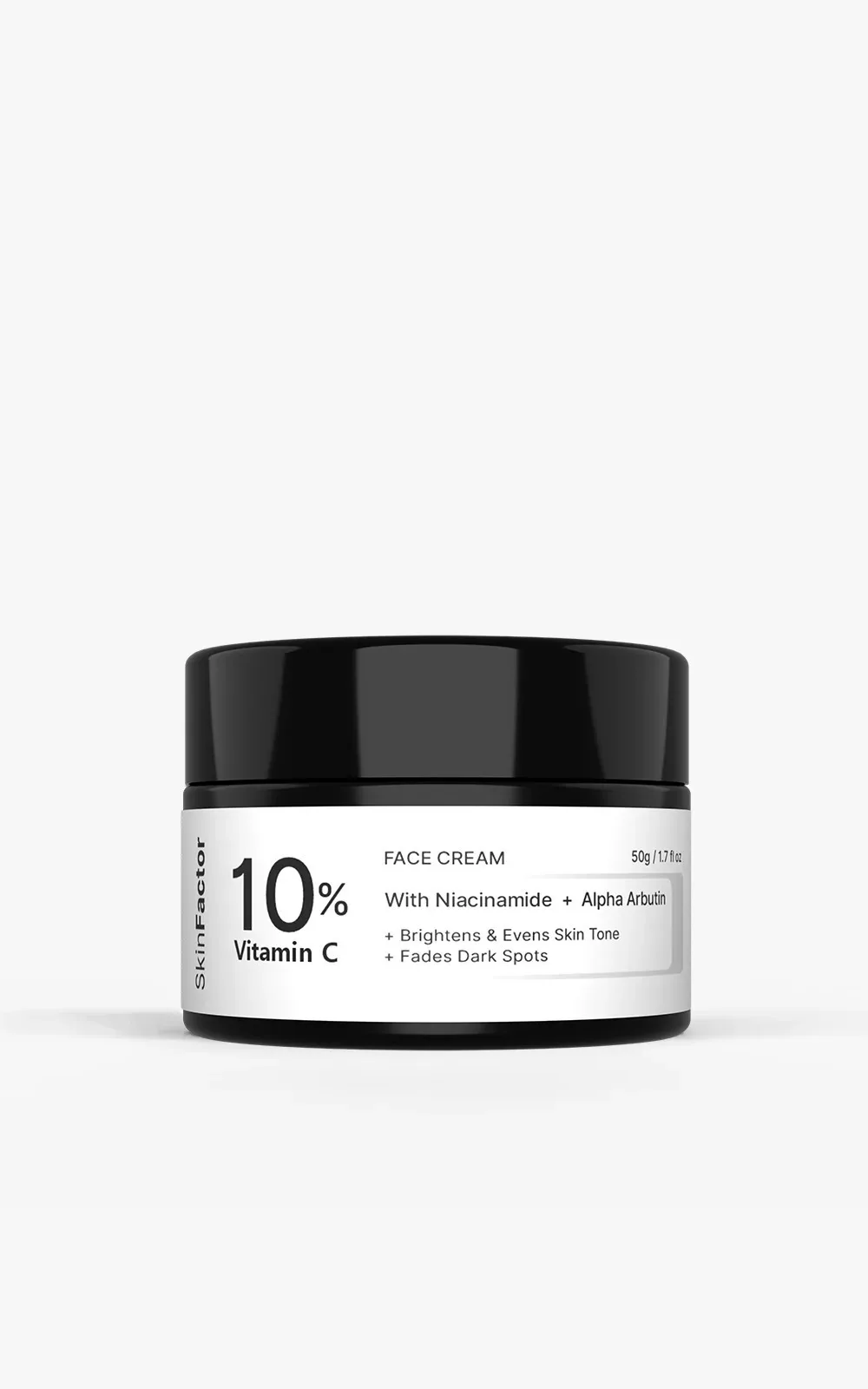
A brighter, more even-looking complexion often starts with a simple and consistent skincare routine. Among the many ingredients available today, vitamin C has become a popular choice for people who want to support radiant-looking skin. It is an antioxidant commonly used in skincare products designed to improve the appearance of dullness, uneven tone, and visible signs of environmental stress.
However, knowing that vitamin C is beneficial is only part of the process. How you use vitamin C cream price in pakistan can also affect how well it fits into your skincare routine.
From choosing the right formula to applying it in the correct order, a few simple habits can make your routine easier and more effective. In this guide, we will explain how to use vitamin C cream and how to build a practical routine around it.
What Is Vitamin C Cream?
Vitamin C cream is a topical skincare product containing vitamin C or a vitamin C derivative. It is usually formulated with moisturizing ingredients, making it different in texture from lightweight vitamin C serums.
Vitamin C is known for its antioxidant properties. Antioxidants help protect the skin from oxidative stress caused by free radicals associated with environmental factors.
Depending on the formulation, vitamin C cream may also be designed to support the appearance of brighter, smoother, and more even-looking skin.
Why Use Vitamin C Cream?
There are several reasons vitamin C has become a popular skincare ingredient.
One of its best-known benefits is its ability to provide antioxidant support. Vitamin C is also involved in normal collagen formation, making it a common ingredient in skincare routines focused on maintaining a youthful-looking complexion.
For people dealing with dull-looking skin or uneven tone, vitamin C products can also be an attractive addition to a daily routine.
The important thing is to remember that skincare is a process. Consistent use is generally more useful than applying large amounts occasionally.
Step 1: Start With a Clean Face
Before applying vitamin C cream, begin with clean skin.
Use a gentle cleanser to remove excess oil, dirt, sweat, and other impurities. Avoid aggressively scrubbing your face, especially if your skin is sensitive.
After cleansing, gently pat your skin dry with a clean towel.
Starting with clean skin gives your skincare products a fresh surface to work with and helps keep your routine organized.
Step 2: Apply Other Lightweight Products First
If you use a toner, essence, or lightweight serum, consider applying those products before your vitamin C cream.
A general skincare rule is to move from lighter textures to heavier ones. However, product instructions can vary, so always follow the directions provided by the manufacturer.
If your vitamin C product is specifically designed to be used directly after cleansing, follow that recommendation.
Step 3: Apply Vitamin C Cream
Now it is time for the main step.
Take the recommended amount of vitamin C cream and gently apply it across your face. You do not need a thick layer. A small, even amount is generally sufficient.
Use clean fingertips and spread the product gently rather than rubbing aggressively.
Pay attention to areas where you want to improve the appearance of dullness or uneven-looking tone, but avoid getting the product into your eyes.
If the product’s instructions recommend avoiding certain areas, follow them carefully.
Step 4: Moisturize if Needed
Depending on the formula, your vitamin C cream may already provide enough moisture for your skin.
If your skin feels dry or tight afterward, you may want to apply a separate moisturizer.
People with dry skin often prefer richer routines, while those with oily or combination skin may prefer lightweight textures.
The goal is not to use as many products as possible. The goal is to create a routine that feels comfortable and is easy to maintain.
Step 5: Finish With Sunscreen in the Morning
If you are using vitamin C cream during your morning routine, sunscreen should be an important final step.
Apply a broad-spectrum sunscreen according to its directions before going outside. Sun protection helps protect your skin from UV exposure and is particularly important when your skincare goals include maintaining a more even-looking complexion.
Vitamin C and sunscreen serve different purposes, so one should not be considered a replacement for the other.
Should You Use Vitamin C Cream in the Morning or at Night?
Vitamin C can be used in either a morning or evening routine depending on the specific product.
Many people prefer using vitamin C in the morning because of its antioxidant properties and because it pairs naturally with a daytime sunscreen routine.
However, some formulations may be intended for nighttime use.
Always check the product label and follow the manufacturer’s instructions.
How Often Should You Use Vitamin C Cream?
The ideal frequency depends on the product’s formulation and your skin’s tolerance.
If you are new to vitamin C, starting slowly can be a sensible approach. For example, you might begin by using the product a few times per week before gradually increasing usage if your skin tolerates it well.
If the product is specifically formulated for daily use and your skin responds comfortably, you may be able to use it more frequently.
More product does not necessarily mean better results. Follow the recommended amount and frequency.
Vitamin C Cream for Different Skin Types
Your skin type can influence which vitamin C cream works best for you.
Oily Skin
If your skin tends to become oily, consider a lightweight formula that does not leave a heavy or greasy feeling.
A comfortable texture can make it easier to maintain your routine consistently.
Dry Skin
If your skin is dry, a cream-based vitamin C product may be appealing because it can combine the benefits of vitamin C with a moisturizing texture.
Look for formulas containing hydrating ingredients that complement your skincare needs.
Combination Skin
Combination skin may benefit from a balanced formula that hydrates dry areas without feeling excessively heavy on oilier parts of the face.
Sensitive Skin
If you have sensitive skin, introduce any new vitamin C product gradually.
Different forms and concentrations of vitamin C can feel different on the skin. Performing a patch test before applying a new product to your entire face can help you identify potential sensitivity.
If significant irritation occurs, discontinue use and consider speaking with a dermatologist.
Can You Combine Vitamin C Cream With Other Skincare Products?
Vitamin C can be included in a broader skincare routine, but combining too many active ingredients at once may increase the possibility of irritation.
If you already use exfoliating acids, retinoids, or other active ingredients, consider introducing vitamin C separately rather than changing everything at the same time.
This makes it easier to understand how your skin responds to each product.
A simple routine can often be easier to maintain:
Morning: Cleanser → Vitamin C cream → Moisturizer if needed → Sunscreen
Evening: Cleanser → Treatment products as appropriate → Moisturizer
Your exact routine should depend on your skin type and the products you are using.
Common Mistakes When Using Vitamin C Cream
Even a good skincare product can be difficult to use properly if basic mistakes are made.
Using Too Much
Applying a thick layer will not necessarily produce faster results. Use the amount recommended on the product packaging.
Skipping Sunscreen
If your goal is a more even-looking complexion, daily sun protection is essential.
Introducing Multiple Actives Together
Adding vitamin C, exfoliating acids, retinoids, and other active ingredients simultaneously can make it difficult to identify the cause of irritation.
Introduce products gradually.
Poor Product Storage
Some vitamin C formulations can be sensitive to light, heat, or air. Store your product according to the manufacturer’s recommendations.
How Long Does Vitamin C Cream Take to Work?
Skincare results vary from person to person. Factors such as product formulation, consistency, skin type, and the condition you are targeting can influence how quickly visible changes appear.
Some people may notice that their complexion looks fresher over time, while improvements in uneven-looking tone may require longer, consistent use.
Avoid expecting dramatic overnight results. A simple routine followed consistently is generally a better approach.
Final Thoughts
Learning Creams does not have to be complicated. Start with clean skin, apply the product according to its instructions, use an appropriate moisturizer when needed, and make sunscreen part of your daytime routine.
For beginners, introducing vitamin C gradually can help your skin adjust. Choosing a formula that matches your skin type can also make your routine more comfortable.
Most importantly, remember that skincare is about consistency. Vitamin C cream can be a useful addition to a routine focused on brighter, more even-looking skin, but it works best as part of a broader approach that includes cleansing, hydration, and daily sun protection.