How Travel Tech Is Reinventing Hotel Rankings with Geospatial Data
For years, hotel rankings have been built on a familiar formula: star ratings, price comparisons, and guest reviews. While these metrics offer value, they often fail to answer a simple but crucial question: what is actually around the hotel? Today, travel tech is transforming how properties are ranked by using geospatial data to evaluate not just the hotel itself, but the surrounding neighborhood.
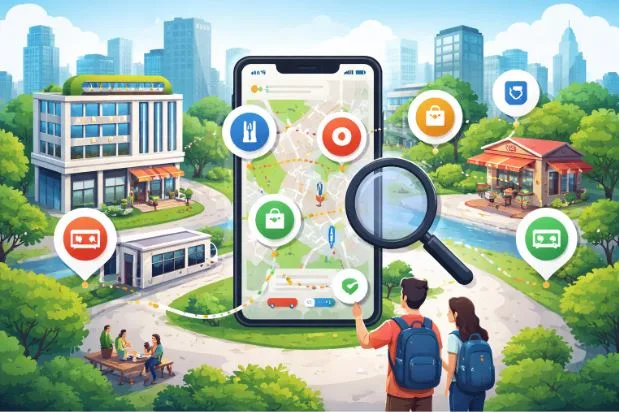
As traveler expectations evolve, so does the technology that supports trip planning. Geospatial hotel ranking and walkability hotel search are reshaping how hotels are discovered, scored, and recommended. Instead of focusing only on internal amenities, modern systems analyze proximity to restaurants, transit, parks, attractions, and lifestyle hubs. The result is a smarter, more personalized booking experience.
Why Traditional Hotel Rankings Fall Short
Star ratings and online reviews were once revolutionary. They gave travelers insight into quality and service standards. However, these systems treat every traveler the same. A five-star hotel in a remote area may rank higher than a modest boutique property in the heart of a vibrant neighborhood.
The issue is context. A business traveler values proximity to conference centers and transit. A family may prioritize safety, green spaces, and casual dining nearby. A solo traveler might look for nightlife and walkable streets. Traditional ranking models rarely account for these differences in intent.
This gap has created an opportunity for innovation in travel tech. Instead of asking how luxurious a hotel is, the better question becomes: how well does this hotel fit the traveler’s purpose?
Understanding Geospatial Hotel Ranking
Geospatial hotel ranking uses location-based data to evaluate hotels in a more dynamic way. It measures what is within walking distance and how accessible important amenities are from the property. By analyzing geographic relationships, platforms can generate scores tailored to different traveler types.
This approach goes beyond static location labels such as “city center” or “near airport.” It examines actual distance and density of nearby places. For example:
- How many restaurants are within a five-minute walk?
- Is there public transit close by?
- Are parks or cultural attractions easily accessible?
- Does the area match a quiet or lively profile?
By calculating these factors, travel platforms can create layered rankings that respond to traveler intent. A hotel that ranks highly for nightlife access may rank differently for a family-friendly search. This flexibility makes geospatial hotel ranking far more adaptive than traditional systems.
The Growing Importance of Walkability Hotel Search
Walkability hotel search has quickly become one of the most influential features in modern booking platforms. Travelers increasingly prefer to explore cities on foot rather than rely on taxis or long transit routes. Walkable neighborhoods enhance the travel experience by allowing spontaneous discoveries, local dining, and relaxed exploration.
Travel tech platforms now analyze:
- Walking distances to restaurants and cafes
- Accessibility of transit stations
- Nearby retail and cultural landmarks
- Street density and pedestrian-friendly layouts
Walkability is not just about convenience. It shapes the overall travel experience. A hotel surrounded by engaging streets, parks, and dining options often creates a more memorable stay than a higher-rated property in a disconnected area.
By integrating walkability hotel search into their algorithms, platforms help travelers find accommodations that align with their lifestyle preferences and trip goals.
How Travel Tech Powers Smarter Recommendations
Behind the scenes, advanced travel tech platforms rely on geographic information systems, point-of-interest databases, and machine learning models to analyze spatial relationships. These systems process vast amounts of data to determine how a hotel interacts with its environment.
Key components of this approach include:
- Proximity mapping
Calculating the exact distance between hotels and nearby amenities. - Density analysis
Measuring how many relevant places exist within a defined walking radius. - Intent-based filtering
Matching hotel surroundings with traveler personas such as business, family, leisure, or solo travel. - Continuous data updates
Ensuring that recommendations reflect current neighborhood dynamics.
By combining these elements, geospatial hotel ranking becomes both scalable and precise. The technology moves from simply listing hotels to intelligently matching them with user needs.
Tripvento and the Shift Toward Intent-Based Ranking
One company driving innovation in this area is Tripvento. Tripvento provides an intent-based hotel ranking API designed to enhance how travel platforms present accommodation options. Instead of depending solely on price or review scores, Tripvento’s system analyzes the surrounding environment and aligns hotel rankings with traveler intent.
The platform leverages geospatial insights to evaluate how well a hotel fits different travel scenarios. For example, a property located near business districts and transit hubs may be prioritized for corporate trips. Meanwhile, hotels close to parks, entertainment zones, and dining clusters may rank higher for leisure travelers.
By embedding geospatial hotel ranking into booking systems, Tripvento enables travel platforms to deliver more relevant search results. This approach improves user satisfaction and supports more informed decision-making. It reflects a broader industry shift from static ranking models to contextual, data-driven recommendations.
Benefits for Modern Travelers
The integration of geospatial data into hotel search delivers tangible advantages:
- More personalized results
Travelers receive recommendations tailored to their trip type rather than generic popularity rankings. - Improved planning confidence
Knowing what is nearby reduces uncertainty and enhances trip preparation. - Better time management
Walkable locations minimize travel time between activities. - Enhanced travel experiences
Staying in the right neighborhood can transform an ordinary trip into a memorable one. - Reduced reliance on guesswork
Data-driven rankings help travelers avoid mismatches between expectations and reality.
These benefits highlight why travel tech companies are investing heavily in geospatial capabilities.
Competitive Advantages for Travel Platforms
For booking platforms and travel agencies, adopting geospatial hotel ranking provides strategic value:
- Higher booking conversion
Relevant results increase the likelihood of completed reservations. - Stronger customer loyalty
Personalized experiences encourage repeat usage. - Market differentiation
Advanced walkability hotel search features distinguish platforms from competitors. - Data-driven insights
Platforms gain a deeper understanding of traveler behavior and preferences.
In a competitive digital landscape, smarter hotel ranking systems are not just enhancements. They are essential tools for growth.
Real-World Applications of Geospatial Insights
To understand the impact of this shift, consider practical travel scenarios:
Business Travel
A consultant attending meetings in a downtown district benefits from hotels close to transit and office hubs. Geospatial analysis surfaces options that minimize commute times.
Family Vacations
Parents planning a city break value proximity to parks, attractions, and casual dining. Walkability hotel search highlights safe and convenient neighborhoods.
Weekend Escapes
Couples seeking a romantic retreat prefer hotels near charming streets, cafes, and scenic viewpoints. Intent-based ranking prioritizes these locations.
Solo Exploration
Independent travelers often seek lively areas with accessible nightlife and cultural venues. Geospatial scoring ensures relevant matches.
In each case, the hotel’s surroundings play a central role in shaping satisfaction.
The Future of Hotel Discovery
As traveler expectations continue to rise, hotel discovery will become increasingly contextual. Static star ratings will not disappear, but they will become only one layer of a broader evaluation system.
Geospatial hotel ranking and walkability hotel search represent the next stage of travel evolution. These technologies allow platforms to think spatially and recommend hotels based on experience, not just reputation.
Travel tech is moving toward a world where hotel search feels intuitive. Instead of scrolling through endless lists, travelers receive curated suggestions aligned with how they plan to spend their time.
A Smarter Way to Choose Where You Stay
Hotel selection is no longer just about comfort or luxury. It is about access, convenience, and alignment with personal travel goals. By leveraging geospatial data, modern travel tech platforms are transforming how properties are ranked and discovered.
Companies like Tripvento demonstrate how intent-based systems can redefine hotel recommendations. By analyzing what surrounds a hotel and matching it to traveler needs, these platforms create a more meaningful booking experience.
As this technology becomes more widespread, travelers can expect smarter search results that reflect real-world context. The future of hotel discovery lies not only in what a property offers inside its walls, but in the life and opportunities waiting just outside its doors.