How UK Online Gaming Platforms Are Responding to Player-Protection Expectations
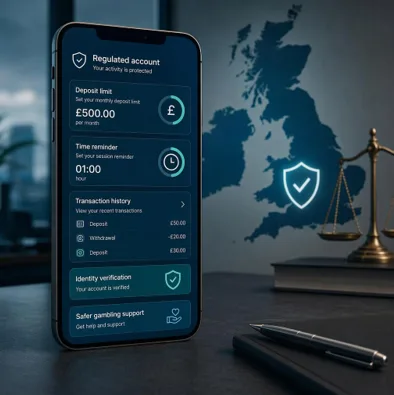
Online casino services sit within a much wider UK entertainment-tech economy, alongside streaming, apps and subscription platforms. Yet they carry a particular responsibility: gambling is an age-restricted activity, and operators must make sure their products are offered fairly, openly and with meaningful safeguards for adults.
That responsibility is no longer a small compliance box tucked away in a footer. Consumers, regulators and policymakers increasingly expect protection to be visible in the product itself, from registration screens to payment journeys and account settings. A polished interface matters, of course, but so do the quieter features that help people understand what they are using and manage their participation.
In Great Britain, the Gambling Commission licenses and regulates commercial gambling, with objectives that include keeping gambling fair and open and protecting people from harm. That puts online operators under close scrutiny, particularly as services become more mobile-led and available around the clock.
For players, the practical question is fairly simple: does a platform treat safety information and control tools as core parts of the experience, or as something you have to hunt down?
Mobile use has changed what good product design looks like
Most people now expect digital services to work smoothly on a phone. That convenience has shaped online gaming platforms too. A customer can browse an account, review a transaction or change an account setting without sitting at a desktop computer.
But mobile-first design brings a challenge. Small screens can make important details easy to miss if an operator prioritises speed and visual impact over clarity. Responsible design means ensuring that game rules, account balances, time-management options and help links are not buried behind confusing menus.
A well-designed regulated service should make key information easy to find before a person takes part. That includes:
- clear terms and conditions;
- understandable explanations of game mechanics;
- accessible information about age restrictions;
- visible links to safer-gambling support;
- straightforward account controls; and
- records of deposits, withdrawals and activity.
The point is not to make every screen cluttered. It is to avoid creating friction around decisions that should be informed. If it takes several taps to locate a deposit limit but only one tap to add funds, the design is sending a message, whether intended or not.
Payments need safeguards, not just speed
Payments are another area where expectations have moved on. Digital entertainment companies are under pressure to make transactions secure, transparent and easy to review. For gambling operators, that also means considering whether payment flows include sensible checks and clear customer communications.
Regulated UK services must follow rules designed to reduce risks around crime and money laundering, while also meeting social responsibility requirements. Operators may ask for identity information or documents to verify a customer’s age and identity. It can feel inconvenient when you’re setting up an account, but it is one of the basic signs that a service is taking its legal duties seriously.
The UK Gambling Commission has also introduced requirements around financial risk checks in stages, reflecting the regulator’s view that operators should use information proportionately to identify indicators of possible harm. The detail can be technical, but the principle is not: digital operators are expected to understand their responsibilities rather than simply process transactions.
For adults using a regulated service, it is worth looking for clear answers to a few basic questions:
- Can you see what you have deposited and withdrawn?
- Are limits explained in plain English?
- Is identity verification handled securely?
- Are support routes obvious?
What adults can check before using a regulated service
There is no single feature that proves a platform will suit every person. Still, several practical signs can help adults assess whether an online gambling service is operating with proper care.
Look for a Great Britain licence
A service offering gambling to consumers in Great Britain should be licensed by the Gambling Commission. The regulator’s public register lets people check whether an operator holds the relevant permissions.
That is a sensible starting point, not a guarantee that every interaction will be perfect. Licensing does, however, place an operator within a framework of rules, supervision and possible enforcement.
Expect age and identity checks
Online gambling is for adults aged 18 and over. A regulated operator should verify age before allowing someone to gamble, rather than treating it as a vague promise made by ticking a box.
Identity checks are also linked to account security and wider legal obligations. If a website appears unconcerned about age verification, that should raise an obvious question about its standards elsewhere.
Read the game information
Slot games and other casino products should provide information about how they work. That may include game rules, stake options, return-to-player information where applicable, and explanations of features. These details do not predict an individual outcome, and they should never be read as a promise of results.
Clear information simply gives adults the chance to understand a product before deciding whether it is appropriate for them.
Check the controls before you need them
It is wise to inspect the account-control section early on. Regulated services may offer tools such as:
- deposit limits;
- time reminders;
- time-outs;
- account closures; and
- self-exclusion options.
For broader self-exclusion across participating online gambling businesses, adults can consult GAMSTOP. The service is not a substitute for personal support, but it is an important part of the UK’s safer-gambling infrastructure.
Regulation is increasingly about how products are built
Consumer protection is not just about a rulebook or a warning message. It increasingly concerns product governance: who approves a feature, what testing takes place, how potential risks are assessed and whether customer outcomes are monitored.
That can sound rather dry, but it affects the everyday experience. Consider notifications, for example. A responsible operator must think about the wording, timing and audience for messages. The same applies to imagery, navigation, account prompts and marketing communications.
Advertising is also subject to scrutiny. The Advertising Standards Authority applies rules through the UK advertising codes, while gambling advertising must not be directed at under-18s or present gambling in a socially irresponsible way. Operators have to consider where adverts appear, who is likely to see them and what the creative work implies.
For businesses, all of this means investment in compliance teams, data systems, staff training and senior oversight. It is not glamorous work, but it is fundamental. A regulated service cannot treat safer gambling as an afterthought handed to a customer-service team once a product has already launched.
There is also a wider accountability point. When a company’s design choices influence behaviour, those choices deserve proper governance. Clear internal decision-making, audit trails and regular review are part of operating responsibly in a tightly regulated market.
Why familiar themes still appear in digital casino design
Casino games often use familiar visual shorthand to help people recognise a theme quickly. Fruit symbols, ancient-history settings, travel imagery and fishing scenes have all become established parts of slot design.
Fishing motifs, in particular, are easy to recognise: water, tackle, catches and seaside colour palettes communicate a broad theme at a glance. That does not make a game more suitable for any individual, nor does it say anything about outcomes. It is simply a design language used across entertainment catalogues.
The important point for regulated operators is context. Theme and presentation should sit alongside clear game information, adult-only access controls and safer-gambling tools. A recognisable motif should never obscure the fact that a slot is a gambling product with real-world risks.
An editorial example of a fishing-themed slot
For UK adults only, fishing-themed slots are one example of how established visual motifs appear in regulated online-casino catalogues. Regulated services should provide clear game information, age verification and safer-gambling tools, including account controls and routes to support.
For example, the fishing-themed slot Virgin Games’ Fishin’ Frenzy illustrates how recognisable entertainment motifs are adapted for regulated online-casino catalogues.
That example is useful as a matter of genre design, rather than a recommendation. Adults considering any regulated gambling product should take time to review the available information, set controls where appropriate and step away if participation no longer feels manageable.
Protection should feel built in, not bolted on
The UK’s online gaming sector is being judged on more than technical polish. People increasingly expect companies to make safety, transparency and accountability part of the service from the outset.
That is good for consumers and, frankly, good for the sector’s credibility. The most convincing player-protection measures are the ones you can see and use without fuss: clear age checks, understandable game details, visible limits, straightforward support and responsible design choices throughout the customer journey.
For adults, a little scrutiny goes a long way. If a platform makes it easy to understand the product and manage your account, it is showing the sort of care a regulated digital service ought to provide.
Disclaimer: This article is for informational purposes only and explores how UK online gaming platforms are addressing player-protection expectations. It does not constitute legal, financial, or gambling advice. Readers should review platform policies, understand the risks associated with online gaming, and make informed decisions.