How Veterinary Clinics Are Adapting to the Growing Demand for Advanced Pet Care
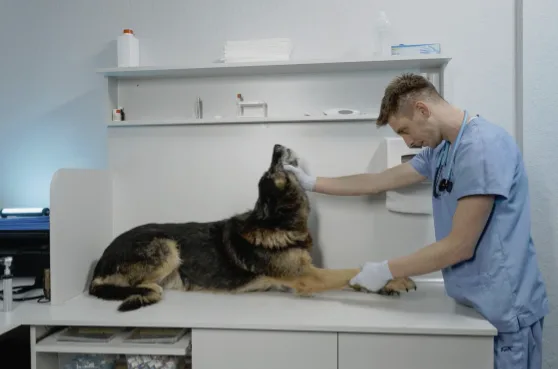
For many households, pets are no longer viewed simply as animals that share a home. They are considered important members of the family, and owners are increasingly seeking healthcare options that go beyond basic checkups and emergency treatment. This shift has encouraged veterinary clinics to expand their services, adopt new technologies, and develop more personalized approaches to animal wellness.
From advanced diagnostics to rehabilitation programs and preventive care strategies, modern veterinary practices are changing how they support pets throughout every stage of life.
Advanced Diagnostics Help Veterinarians Detect Problems Earlier
One of the biggest changes in veterinary medicine is the increased use of advanced diagnostic tools. Traditional physical exams remain essential, but many clinics now supplement them with technologies that provide deeper insights into an animal’s health.
Digital radiology, ultrasound, in-house laboratory testing, and specialized screening tools allow veterinarians to identify potential issues sooner and create more targeted treatment plans. Faster access to diagnostic information can be especially valuable when pets experience sudden health concerns, where early decisions can make a significant difference.
Across the United States, veterinary practices are investing in these capabilities to provide more efficient and accurate care. For example, a local veterinary clinic in New Jersey like Westwood Regional Veterinary Hospital and Pompton Lakes Animal Hospital reflects how modern practices are combining preventive services, diagnostic care, and comprehensive treatment options to meet changing expectations from pet owners.
Technology Is Improving the Veterinary Experience
Technology is also changing how clinics monitor and support animal health between appointments. Digital tools allow veterinary teams and pet owners to track important information, identify changes in behavior, and maintain more complete health records.
Examples of technology-driven improvements include:
- Wearable devices that monitor activity levels, sleep patterns, and other health indicators
- Digital medical records that help track long-term changes in a pet’s condition
- Online portals that make scheduling, communication, and wellness planning easier for owners
These tools help create a more proactive approach, allowing veterinary teams to focus not only on treating problems but also on preventing them.
Expanding Treatment Options Beyond Traditional Care
Veterinary clinics are also broadening their treatment offerings to support pets with more complex health needs. Advances in veterinary medicine have made it possible to provide specialized care for conditions that previously had limited options.
Many practices now offer services such as rehabilitation therapy, therapeutic laser treatments, advanced surgical procedures, and pain management programs. These approaches can help pets recover after injuries, improve mobility, and maintain a better quality of life as they age.
As pets live longer, long-term support has become an increasingly important part of veterinary care. Clinics are adapting by developing treatment plans that address both immediate health concerns and ongoing wellness needs.
Preventive Care Is Becoming a Greater Priority
Another major trend in veterinary medicine is the move toward prevention rather than reaction. Regular wellness exams, vaccinations, dental care, and routine screenings allow veterinarians to identify concerns before they become more serious.
Many clinics are also using digital tools to create customized wellness plans based on a pet’s age, breed, lifestyle, and medical history. This approach helps owners stay informed and makes it easier to manage their pets’ health over time.
The Future of Veterinary Care
As technology continues to advance and expectations for pet healthcare grow, veterinary clinics will continue evolving their services. The future of animal care will likely focus on earlier detection, personalized treatments, and stronger communication between veterinarians and pet owners.
By combining modern technology with compassionate care, today’s veterinary practices are helping pets receive more comprehensive support throughout their lives.