How Walk-In Coolers Help Food Businesses Improve Safety
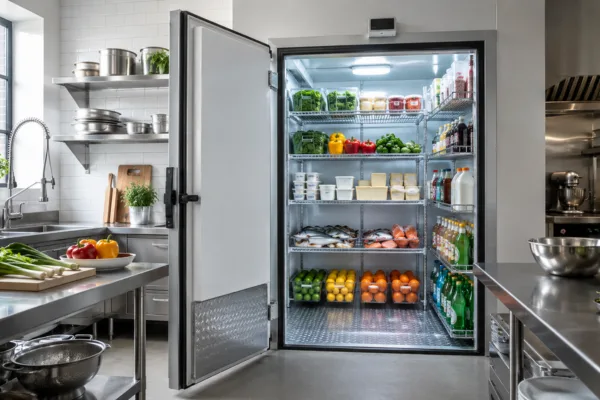
Food safety is one of the most important responsibilities for any business that handles perishable products. Restaurants, supermarkets, delis, bakeries, seafood markets, cafés, convenience stores, catering companies, and other foodservice operations all depend on controlled temperatures to protect ingredients, prepared foods, beverages, dairy, meat, seafood, produce, and frozen products.
As food businesses grow, cold storage becomes more than a back-of-house convenience. It becomes part of the operation’s safety system, inventory strategy, and daily workflow. A well-planned refrigeration setup can help reduce product waste, support compliance with food handling standards, and give staff a more efficient way to store and access ingredients.
Among the most important pieces of refrigeration equipment for commercial food operations are walk-in coolers. These larger refrigerated spaces allow businesses to organize inventory, maintain safer temperatures, and prepare for higher customer demand without relying only on small reach-in refrigerators or crowded storage areas.
Cold Storage Is a Food Safety Foundation
Temperature control is central to food safety. Perishable foods must be stored properly to reduce the risk of spoilage and contamination. When ingredients are exposed to unsafe temperatures for too long, food quality can decline and safety risks may increase.
For food businesses, this is not only a health concern. It is also a business concern. Product loss, inconsistent quality, emergency refrigeration issues, and inefficient storage can all affect profitability. A restaurant that loses seafood, meat, dairy, or prepared ingredients because of poor refrigeration may face both financial loss and operational disruption.
Reliable cold storage helps reduce these risks. By giving staff enough space to store products at proper temperatures, food businesses can better protect inventory and maintain consistency during daily service.
Why Walk-In Coolers Matter for Growing Food Businesses
Small food businesses often begin with reach-in refrigerators, undercounter units, or compact storage areas. These may be enough for limited operations, but as order volume increases, storage needs usually grow as well.
A walk-in cooler gives businesses more room to organize inventory by product type, delivery date, and usage priority. This can be especially important for businesses that receive bulk deliveries, prepare large quantities of food in advance, or operate during peak seasonal periods.
For restaurants, supermarkets, delis, bakeries, and other foodservice operations, choosing the right walk-in cooler can help improve inventory control, protect perishable products, and support more efficient daily operations.
Instead of forcing staff to overload small refrigerators, a walk-in cooler allows products to be stored in a more structured and accessible way. This supports better stock rotation, easier cleaning, and faster ingredient retrieval during busy hours.
Better Organization Supports Safer Operations
Food safety is not only about temperature. Organization also matters.
When cold storage is overcrowded, products may be stacked incorrectly, airflow may be blocked, and staff may struggle to rotate inventory properly. This can increase the risk of forgotten products, expired ingredients, cross-contamination, or inconsistent cooling.
A properly sized walk-in cooler helps staff create a clear storage system. Raw ingredients, prepared foods, beverages, produce, dairy, and packaged items can be separated more effectively. Shelving can be arranged to support first-in, first-out inventory rotation, making it easier to use older products before newer deliveries.
This type of organization can also improve speed. During a busy lunch or dinner rush, employees need to find ingredients quickly. A clean and organized walk-in cooler reduces the time staff spend searching for products and helps the kitchen operate more smoothly.
Reducing Waste Through Better Inventory Control
Food waste is a major concern for restaurants and food businesses. Spoiled products, over-ordering, poor storage conditions, and lack of inventory visibility can all lead to unnecessary loss.
Walk-in coolers can help reduce waste by making inventory easier to see, organize, and manage. When products are stored in a structured way, staff members can identify what needs to be used first and avoid ordering items that are already in stock.
Consistent refrigeration also helps preserve product quality. Fresh produce, seafood, meats, dairy products, sauces, and prepared foods can all be affected by poor temperature control. A reliable cold storage system helps maintain product integrity from delivery to service.
For businesses operating on tight margins, reducing waste can have a meaningful financial impact. Even small improvements in inventory management can help protect profitability over time.
Supporting High-Volume and Seasonal Demand
Many food businesses experience changes in demand throughout the year. Restaurants may see higher traffic during holidays, tourism seasons, weekends, local events, or warmer months. Markets and delis may experience spikes around catering orders or community events.
During these periods, limited refrigeration space can become a bottleneck. Businesses may need to store more beverages, more prepared items, more seafood, more produce, or more backup inventory. Without enough cold storage capacity, staff may be forced to make smaller, more frequent orders or store products in less efficient ways.
A walk-in cooler helps businesses prepare for these changes. With additional refrigerated space, operators can plan ahead, receive larger deliveries, and keep essential products available during peak demand.
This is especially valuable for businesses that depend on fresh ingredients and consistent service. When cold storage is planned correctly, it supports both safety and business continuity.
Energy Efficiency and Operating Costs
Cold storage also affects long-term operating costs. Refrigeration equipment runs continuously, so efficiency matters. An undersized or overloaded system may work harder than necessary, while poorly maintained equipment can consume more energy and become more prone to breakdowns.
Choosing the right walk-in cooler size and configuration can help a business avoid unnecessary strain on its refrigeration system. Good door seals, proper insulation, organized shelving, and regular maintenance all contribute to better performance.
Business owners should also consider how often the door will be opened, where the unit will be installed, and how staff will access stored products. A convenient layout can reduce door-open time and help maintain more stable temperatures.
Maintenance Helps Protect Food and Equipment
Even the best refrigeration system needs regular care. Preventive maintenance helps keep walk-in coolers operating properly and can reduce the risk of unexpected failures.
Food businesses should regularly check door gaskets, hinges, handles, interior lighting, shelving, temperature controls, and overall cleanliness. Staff should report unusual noises, temperature fluctuations, moisture buildup, ice accumulation, or doors that do not close properly.
Cleaning is also important. A walk-in cooler should be kept organized and free from spills, expired products, and unnecessary clutter. Condensing units and airflow areas should remain clear so the system can operate as intended.
Routine maintenance is not just about extending equipment life. It also helps protect the products stored inside.
Choosing the Right Walk-In Cooler
Before investing in a walk-in cooler, food businesses should evaluate their operational needs carefully. The right choice depends on several factors, including available space, storage volume, product types, delivery schedule, and future growth.
A restaurant may need a compact cooler for daily ingredients, while a supermarket or food market may require a larger unit with more shelving capacity. A bakery may prioritize dairy and prepared fillings, while a seafood business may need space for highly perishable products. Some businesses may need both cooler and freezer storage.
Door placement, floor options, indoor or outdoor installation, refrigeration type, and delivery access should also be considered. These details can affect installation, workflow, and long-term usability.
Planning ahead can help business owners avoid common mistakes, such as buying a unit that is too small, choosing the wrong configuration, or placing the cooler in a location that slows down staff.
Working With a Commercial Equipment Supplier
For many food businesses, selecting cold storage equipment can be complex. A commercial equipment supplier can help operators compare sizes, configurations, refrigeration options, and installation considerations.
Atlantic Restaurant & Supermarket Equipment supplies commercial kitchen and refrigeration equipment for restaurants, supermarkets, delis, bakeries, and foodservice businesses across the United States. For operators evaluating walk-in coolers, freezers, or other foodservice equipment, working with an experienced supplier can make the planning process more practical and efficient.
The goal is not simply to buy refrigeration equipment. The goal is to choose a cold storage solution that fits the business, protects inventory, supports food safety, and works with the daily flow of the operation.