How Wall Lighting Shapes Guest Experience in Modern Hotel Design
Introduction
Lighting has become one of the most influential elements in modern hospitality design. While guests often focus on room comfort, amenities, and service quality, lighting plays a significant role in shaping how every space is perceived and experienced. From the moment guests enter a lobby to the time they relax in their rooms, lighting influences mood, comfort, and overall satisfaction.
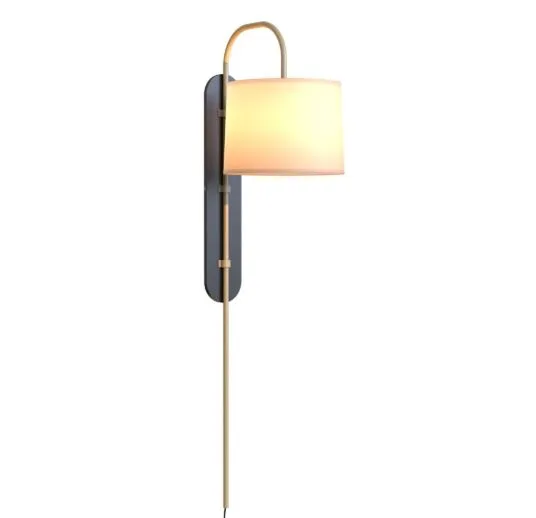
Wall-mounted fixtures have gained particular importance because they combine functionality with visual appeal. Unlike overhead lighting alone, wall lighting helps create layered illumination that supports various guest activities while enhancing the atmosphere of a property. Hotels increasingly recognize that carefully planned lighting strategies contribute to stronger guest impressions and more memorable stays.
As hospitality brands continue to compete on experience rather than simply accommodation, wall lighting remains an essential design component that supports comfort, safety, and brand identity throughout the guest journey.
Why Lighting Is a Core Element of the Hotel Experience
Lighting directly affects how guests feel within a hospitality environment. Well-designed illumination creates welcoming spaces that encourage relaxation and confidence, while poor lighting can make even beautifully designed interiors feel uncomfortable or uninviting.
Research in hospitality design consistently demonstrates that lighting influences mood, perception, and emotional response. Warm and balanced illumination helps create a sense of comfort, while strategically placed fixtures guide attention toward architectural features and interior design elements.
Hotels must accommodate a wide range of guest activities, including working, reading, socializing, dining, and resting. Lighting solutions that support these activities contribute to a seamless guest experience. In addition, lighting affects how guests perceive cleanliness, room size, and overall quality.
Because guests interact with lighting throughout their stay, it becomes an important contributor to satisfaction levels. A thoughtfully illuminated environment helps properties create positive impressions that encourage repeat visits and favorable reviews.
Understanding the Different Roles of Wall Lighting in Hotels
Wall lighting serves multiple functions throughout hospitality properties. Unlike general ceiling fixtures that primarily provide broad illumination, wall-mounted fixtures offer greater flexibility in both design and performance.
Ambient lighting creates the foundational layer of illumination that makes spaces feel comfortable and welcoming. Wall fixtures often contribute to this layer by distributing soft light across surfaces and reducing harsh shadows.
Task lighting supports specific guest activities such as reading, grooming, or working. Proper placement ensures guests can perform these tasks comfortably without excessive brightness or glare.
Accent lighting highlights architectural features, artwork, textures, and decorative elements that contribute to the property’s design identity. These visual focal points help create memorable environments.
Decorative lighting serves an aesthetic purpose while still contributing functional illumination. Hotels frequently use custom wall fixtures to reinforce interior themes and strengthen brand recognition. The combination of these roles makes wall lighting one of the most versatile tools available to hospitality designers.
Guest Room Comfort Starts with Thoughtful Wall Lighting
Guest rooms represent the most personal space within a hotel, making lighting quality particularly important. Effective room lighting must support multiple activities while maintaining a relaxing atmosphere that encourages rest.
Many hospitality designers prioritize layered lighting because it provides flexibility for varying guest preferences. Reading lights near beds, ambient wall fixtures, and accent lighting all work together to create a balanced environment.
This is where quality Hotel Wall Lighting solutions become particularly valuable. Companies such as mariocontractlighting.com understand the unique demands of hospitality environments. Since entering the contract lighting sector in 2013, Mario Contract Lighting has completed thousands of projects across diverse property types and scales. As an approved vendor for major hospitality brands including Hilton, Marriott, IHG, Hyatt, Wyndham, and MGM Resorts, the company has extensive experience developing lighting solutions that enhance guest comfort while meeting brand standards.
Thoughtfully designed wall lighting helps reduce glare, improve visual comfort, and support healthy relaxation. By balancing brightness levels throughout the room, hotels can create spaces that feel both functional and inviting, ultimately contributing to a more satisfying guest experience.
Enhancing Corridor Safety and Navigation Through Strategic Illumination
Corridors are among the most heavily used spaces within a hotel. Effective wall lighting plays an important role in supporting guest movement while contributing to the property’s overall design aesthetic.
Strategic corridor illumination provides several key benefits:
- Improved wayfinding throughout the property: Consistent lighting patterns help guests navigate unfamiliar environments more easily. Clear visual pathways reduce confusion and improve overall convenience, especially in large hotels with multiple wings and floors.
- Enhanced visibility and safety: Adequate illumination minimizes dark areas and supports safer movement at all hours. Guests carrying luggage or navigating hallways late at night benefit from improved visibility.
- Greater consistency across guest floors: Uniform lighting creates a cohesive appearance that strengthens brand presentation. Consistency also contributes to a more polished and professional atmosphere.
- Increased guest comfort and confidence: Well-lit corridors feel more welcoming and secure. Guests are more likely to perceive the property positively when circulation spaces are thoughtfully illuminated.
When corridor lighting is carefully planned, it supports both operational goals and guest satisfaction.
Creating a Strong Brand Identity Through Customized Fixtures
Modern hospitality brands place significant emphasis on creating distinctive visual identities. Lighting fixtures contribute substantially to this effort because they are highly visible throughout the property.
Custom wall fixtures allow hotels to reinforce design themes and create memorable experiences that align with brand positioning. Luxury properties may choose elegant decorative fixtures that communicate sophistication, while boutique hotels often select unique designs that reflect local character and storytelling.
Customization also enables consistency across multiple locations. Hospitality brands frequently develop lighting specifications that support a recognizable aesthetic while allowing flexibility for regional design influences.
Materials, finishes, shade styles, and fixture dimensions can all be tailored to complement interior architecture and furnishings. This level of customization helps properties differentiate themselves in a competitive marketplace.
By integrating lighting into the broader design strategy, hotels create environments that strengthen guest recognition and support long-term brand value.
Selecting the Right Hotel Wall Lighting for Different Spaces
Every area within a hotel has distinct lighting requirements. Selecting appropriate wall fixtures requires careful consideration of functionality, aesthetics, and operational demands.
Several factors influence fixture selection:
- Guest rooms require versatility: Fixtures should support reading, relaxation, and general illumination. Flexibility is important because guests use rooms for a variety of activities throughout their stay.
- Hallways prioritize visibility and consistency: Corridor lighting must provide reliable illumination while maintaining a cohesive appearance across the property.
- Lobbies require both function and visual impact: These spaces often serve as first impression areas. Lighting should create welcoming environments while highlighting architectural features.
- Meeting rooms and public spaces need adaptability: Lighting requirements may change depending on events, occupancy levels, and operational needs. Fixtures should support multiple uses without compromising visual comfort.
Thoughtful fixture selection ensures that each area performs effectively while contributing to a cohesive hospitality experience.
Durability Requirements in High-Traffic Hospitality Environments
Hospitality lighting faces unique challenges compared to residential applications. Fixtures must withstand continuous use, frequent cleaning, and the demands of high-occupancy environments.
Durability becomes particularly important because hotels operate around the clock. Lighting systems experience extensive daily use, making construction quality a critical consideration. Materials must resist wear while maintaining their appearance over time.
Maintenance requirements also influence fixture selection. Properties seek solutions that minimize downtime and reduce replacement frequency. Durable components contribute to lower operational costs and improved long-term performance.
Commercial hospitality environments often require compliance with specific safety and performance standards. Fixtures designed for contract applications are engineered to meet these requirements while supporting consistent operation.
By prioritizing durability, hotels can protect their investment and maintain a high-quality guest experience throughout the lifecycle of the property.
Why Contract-Grade Hospitality Wall Lamps Deliver Better Long-Term Value
Contract-grade lighting products are specifically engineered for commercial hospitality applications. Unlike residential fixtures, they are designed to meet the performance expectations of high-traffic environments.
Contract-Grade Hospitality Wall Lamps provide several advantages that support long-term operational success. Their construction typically incorporates higher-quality materials, more rigorous testing procedures, and greater attention to durability requirements.
Consistency is another significant benefit. Large hospitality projects often require hundreds or even thousands of fixtures across multiple locations. Contract-grade manufacturing helps ensure uniform quality and appearance throughout the installation.
Companies with extensive hospitality experience understand the importance of meeting project schedules and brand specifications. Reliable manufacturing processes help reduce delays while supporting consistent results across complex projects.
Because replacement and maintenance costs can significantly affect operating budgets, many hospitality organizations view contract-grade lighting as a valuable long-term investment rather than simply an upfront purchase decision.
Balancing Design Goals with Budget Expectations
Hospitality projects must often balance ambitious design objectives with practical budget constraints. Achieving this balance requires careful planning and collaboration among designers, owners, and lighting manufacturers.
Value engineering has become an important strategy for controlling costs without sacrificing visual quality. By evaluating materials, fabrication methods, and fixture configurations, project teams can identify opportunities to optimize spending while maintaining design intent.
Lifecycle costs should also be considered alongside initial purchase prices. Durable fixtures with longer service lives often provide greater overall value, even if upfront costs are higher.
Customization options can further support budget goals by allowing designers to focus investments on high-impact areas while selecting more economical solutions for secondary spaces.
Successful hospitality lighting projects recognize that cost management and design excellence are not mutually exclusive objectives.
Future Trends in Hospitality Wall Lighting Design
Hospitality lighting continues to evolve as technology, sustainability initiatives, and guest expectations shape design priorities. Several trends are expected to influence future wall lighting solutions.
Smart lighting systems are becoming increasingly common, allowing hotels to improve energy efficiency and provide greater control over illumination levels. Guests increasingly appreciate personalized lighting experiences that adapt to their preferences.
Integrated technology is also gaining traction. Fixtures may incorporate charging capabilities, controls, and other features that improve convenience while reducing visual clutter.
Sustainability remains a major focus throughout the hospitality industry. Designers are increasingly selecting energy-efficient lighting technologies and environmentally responsible materials to support broader sustainability goals.
Customization continues to play a central role as hotels seek unique solutions that strengthen brand identity. Future wall lighting designs will likely combine advanced functionality with distinctive aesthetics to meet evolving guest expectations.
Conclusion
Wall lighting plays a critical role in shaping the modern hotel experience. From supporting guest comfort and safety to reinforcing brand identity, thoughtfully designed wall fixtures influence nearly every aspect of a hospitality environment.
Effective lighting strategies recognize the importance of balancing aesthetics, functionality, durability, and operational efficiency. Whether used in guest rooms, corridors, lobbies, or public spaces, wall-mounted fixtures contribute significantly to how guests perceive and interact with a property.
As hospitality design continues to evolve, strategic lighting decisions will remain essential for creating memorable environments that support guest satisfaction and long-term operational success.