How Water and Drainage Problems Can Damage a Home’s Foundation
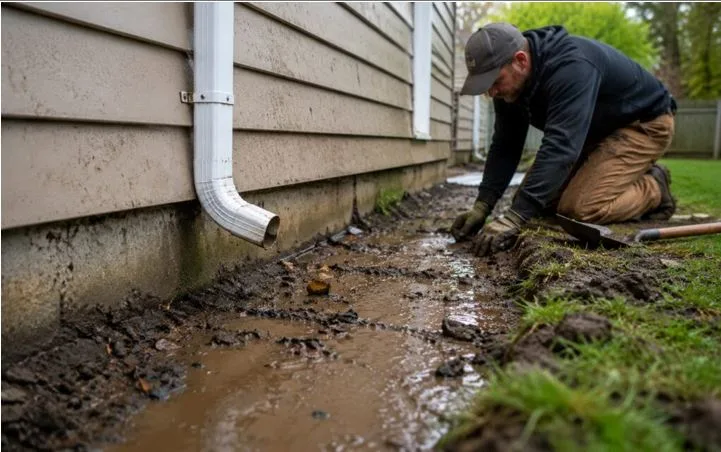
Water is essential for everyday life, but too much water in the wrong place can create serious problems for a home. One of the areas most affected by persistent moisture is the foundation. Poor drainage, standing water, uncontrolled runoff, and changing soil moisture can all contribute to conditions that place additional stress on a home’s foundation.
Foundation problems do not always begin with an obvious structural failure. They can develop gradually as the soil around and beneath a home repeatedly becomes wet and dry. Over time, homeowners may notice cracks, sticking doors, uneven floors, gaps around windows, or other changes in the house.
At Bats Foundation Repair, LLC we help homeowners understand these warning signs and determine whether foundation movement may require professional attention. As a locally owned and operated Central Texas foundation repair company, we take a complete start-to-finish approach, beginning with a free, no-pressure assessment and continuing through the recommended repair.
How Water Affects a Home’s Foundation
A foundation depends on the soil beneath and around the home for support. When moisture levels change significantly, the characteristics of that soil can change as well.
Depending on the soil composition, wet conditions can cause expansion, while prolonged drying can cause contraction. Repeated changes in soil volume can affect the support available beneath different sections of a home.
When soil movement is uneven, portions of the foundation may respond differently. This can place stress on the structure and may eventually lead to visible symptoms.
Water itself is not necessarily the cause of every foundation problem, but poor water management can contribute to conditions that affect foundation stability.
Poor Drainage Can Create Problems Around the Foundation
A properly functioning drainage system should move rainwater away from the home. When drainage is inadequate, water may collect near the foundation instead of flowing away from the structure.
Common drainage problems include:
- Standing water near the foundation
- Gutters that overflow during rainfall
- Downspouts that discharge too close to the house
- Soil that slopes toward the foundation
- Poor yard grading
- Clogged or damaged drainage systems
- Concentrated runoff in one area
- Areas of soil that remain excessively wet
When these conditions continue over time, they can contribute to inconsistent moisture levels in the soil surrounding the foundation.
Why Standing Water Should Not Be Ignored
Temporary puddles following heavy rainfall do not automatically indicate foundation damage. However, homeowners should pay attention when water repeatedly collects in the same location.
Persistent standing water can keep nearby soil saturated for longer periods. When this occurs directly beside the foundation, it may contribute to changes in the surrounding soil conditions.
Homeowners who regularly notice pooling water should investigate the drainage problem rather than waiting until cracks or other structural symptoms become visible.
The Role of Gutters and Downspouts
The roof of a home can collect a substantial amount of rainwater. Gutters and downspouts are designed to control this runoff and direct it toward suitable drainage areas.
When gutters become clogged with leaves and debris, water may overflow along the edge of the house. Damaged gutters can create similar problems.
Downspouts are also important. If they discharge concentrated water immediately next to the foundation, large amounts of moisture may accumulate in a small area.
Regular gutter maintenance and appropriate downspout placement can therefore help manage water around the home.
Poor Grading Can Send Water Toward the Foundation
The slope of the ground around a house affects the direction water travels during rainfall. If the ground slopes toward the structure, rainwater may naturally move toward the foundation.
Good drainage conditions should encourage water to move away from the house. Homeowners should pay attention to areas where water consistently flows toward the foundation or remains pooled after rainfall.
Landscaping projects can also change drainage patterns. Adding soil, flower beds, retaining structures, patios, or other features can alter the way water moves across a property.
Changing Soil Moisture Can Contribute to Foundation Movement
The relationship between soil and moisture is an important consideration when evaluating foundation concerns.
When soil becomes wet, it may expand depending on its composition. When the soil dries, it may contract. Repeated wet and dry cycles can change the support conditions beneath portions of a home.
The changes may not occur evenly throughout a property. One part of the foundation may experience different soil conditions from another, potentially contributing to uneven movement.
For this reason, foundation concerns should be evaluated in the context of the entire property rather than focusing on one visible crack.
Signs That Water Problems May Be Affecting the Foundation
Homeowners should watch for changes both inside and outside the house.
Possible warning signs include:
- New or expanding wall cracks
- Uneven or sloping floors
- Doors that stick or fail to close properly
- Windows that become difficult to open
- Gaps around windows or doors
- Cracks in brick or masonry
- Separation between building materials
- Visible changes in previously level areas
A single small crack does not necessarily indicate a serious foundation problem. However, multiple symptoms occurring together or changes that appear to be progressing should be professionally evaluated.
Water and Slab Foundations
Slab foundations rely heavily on the supporting soil beneath the structure. Changes in moisture conditions beneath different sections of the slab can potentially contribute to movement.
When a slab foundation requires repair, the appropriate method depends on the property’s individual circumstances.
At Bats Foundation Repair, LLC, we work on slab foundations and evaluate the structural condition before recommending a repair. Depending on the needs of the property, solutions may include steel piers, hybrid steel piers, and polyurethane foam injection when appropriate.
Rather than automatically applying one method to every home, we base our recommendations on the specific structural requirements.
Water and Pier & Beam Foundations
Pier & beam homes have a different structural design and require a different approach to foundation evaluation and repair.
Water-related issues around these properties can affect the conditions surrounding supporting piers and beams. Persistent moisture may also create other concerns that need to be evaluated as part of the overall foundation assessment.
At Bats Foundation Repair, we provide pier & beam repair solutions based on the condition and requirements of each home.
The appropriate repair may involve individual piers, beams, or other supporting components depending on what the assessment identifies.
Drainage Improvements Are Not the Same as Foundation Repair
Improving drainage can help manage future moisture conditions, but it does not necessarily repair an existing structural problem.
For example, correcting a downspout may reduce water accumulation near a foundation, but it will not automatically correct foundation movement that has already occurred.
Likewise, foundation repair may not solve an ongoing drainage problem if water continues to collect around the structure.
For this reason, homeowners should consider both water management and the existing structural condition when dealing with foundation concerns.
Why a Professional Foundation Assessment Matters
Water-related foundation issues can be difficult to evaluate based only on visible symptoms. A crack or uneven floor can have multiple possible causes, and the appropriate repair depends on the property’s foundation type and overall condition.
At Bats Foundation Repair, LLC, we offer homeowners a free, no-pressure assessment. This provides an opportunity to discuss concerns, evaluate the foundation, and understand whether professional repair may be appropriate.
We focus on explaining our recommendations before work begins so homeowners understand the proposed solution rather than making decisions based on assumptions.
Engineer-Reviewed Repair Plans
When foundation repair is recommended, homeowners want to know that the proposed solution is appropriate for their property.
Our repair plans are engineer-reviewed to help ensure that the recommended work meets today’s industry standards. Each recommendation is based on the needs of the structure, with repair methods selected to provide a reliable long-term solution.
This approach helps ensure that the repair strategy considers the individual characteristics of the home rather than relying on a standard solution.
How Homeowners Can Manage Water Around Their Home
Homeowners can take several practical steps to help maintain better drainage conditions around their property.
- Maintain Gutters
Keep gutters clear of leaves, dirt, and other debris so rainwater can move through the drainage system properly.
- Inspect Downspouts
Check where downspouts release water. Concentrated runoff should not simply collect directly beside the foundation.
- Look for Standing Water
After rainfall, inspect the property for areas where water repeatedly collects. Persistent pooling may indicate a grading or drainage problem.
- Monitor Changes in the Home
Keep an eye on new cracks, sticking doors, uneven floors, and other unusual changes. Recording when symptoms appear can also help during a professional assessment.
- Be Careful With Landscaping Changes
New landscaping, additional soil, patios, and other exterior modifications can change drainage patterns. Consider how these projects may affect water movement around the foundation.
Why Central Texas Homeowners Should Pay Attention to Drainage
For homeowners in Central Texas, understanding the relationship between soil, moisture, and foundations is particularly important. Changes in weather and moisture conditions can affect the environment surrounding a home.
Proper drainage does not guarantee that a foundation will never develop problems, but managing water around the property can be an important part of responsible home maintenance.
As a locally owned and operated Central Texas foundation repair company, Bats Foundation Repair provides homeowners with professional assessments and repair solutions for both slab and pier & beam homes.
When Should You Schedule a Foundation Assessment?
Homeowners do not need to wait until foundation symptoms become severe before seeking professional advice.
Consider scheduling an assessment if you notice:
- New or worsening cracks
- Doors that suddenly stick
- Windows that become difficult to operate
- Uneven or sloping floors
- Repeated water pooling near the foundation
- Significant drainage problems
- Gaps around doors or windows
- Other noticeable changes in the structure
A professional assessment can help determine whether the symptoms are related to foundation movement or another condition.
A Complete Approach to Foundation Repair
At Bats Foundation Repair, LLC, we take a complete start-to-finish approach to foundation repair. Our process begins with understanding the homeowner’s concerns and evaluating the property.
We then explain our findings and recommended repair before any work begins. Our experienced construction professionals specialize in foundation repair and work on both slab and pier & beam homes.
Depending on the property, our solutions may include steel piers, hybrid steel piers, pier & beam repair solutions, and polyurethane foam injection when appropriate.
Every recommendation is based on the needs of the structure, and repair plans are engineer-reviewed to help ensure the work meets today’s industry standards.
Conclusion
Water and drainage problems can have a significant impact on the conditions surrounding a home’s foundation. Standing water, poor grading, overflowing gutters, improperly positioned downspouts, and repeated changes in soil moisture can all contribute to an environment that may increase the risk of foundation movement.
Homeowners should not assume that every crack or uneven floor is caused by water, but they should also avoid ignoring changes that appear new or progressive. Early attention to drainage problems and professional evaluation of foundation symptoms can provide valuable information before a concern becomes more complicated.
At Bats Foundation Repair, LLC, we help Central Texas homeowners understand their foundation concerns through a free, no-pressure assessment. Our experienced crews work with both slab and pier & beam homes, while engineer-reviewed repair plans help guide the recommended solution.
By maintaining proper drainage, monitoring changes around the home, and seeking professional advice when warning signs appear, homeowners can make informed decisions about their property’s foundation. A great home starts with a strong foundation, and protecting that foundation begins with managing the water around it.