How Wear Resistant Steel Supports Heavy Industry
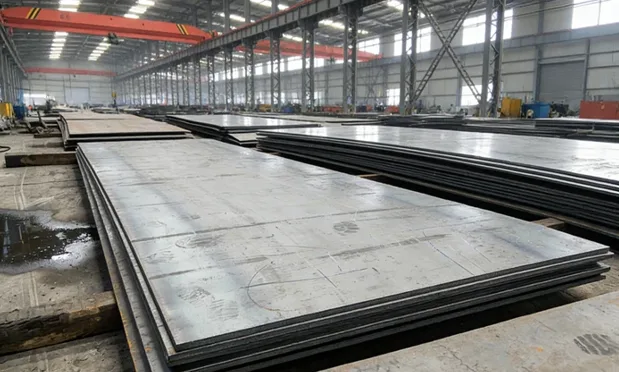
Heavy industry depends on components that can withstand abrasive material flow, repeated impact, and demanding operating cycles. Mining, cement production, recycling, quarrying, bulk-material handling, and construction equipment all contain surfaces that gradually lose thickness when they contact rock, ore, clinker, scrap, sand, or other hard materials.
Wear-resistant steel helps address this problem by providing a material option for components exposed to surface wear. It is commonly used for liners, buckets, chutes, hoppers, crusher components, truck bodies, conveyor transfer points, and other parts where ordinary structural steel may wear too quickly.
The practical question is not simply whether a harder plate is available. It is whether the selected material, thickness, part geometry, processing method, and installation design fit the actual operating conditions. A durable wear-part strategy begins with understanding the source of wear and defining what the component must do.
Where Heavy Industry Loses Material
Wear is often gradual, which can make it easy to underestimate until a liner becomes too thin, a hole pattern no longer aligns, or a damaged component affects the surrounding equipment. In heavy-duty operations, wear can occur through several mechanisms.
Sliding abrasion occurs when material moves continuously across a steel surface. Transfer chutes, hoppers, dump bodies, and conveyor liners often face this condition. Impact abrasion occurs when material repeatedly strikes a surface, such as at a crusher feed point or a high-drop transfer location. Some applications combine both conditions, which means material selection cannot rely on a single description such as high wear.
Other operating factors also matter. A component may face moisture, heat, corrosion, vibration, limited maintenance access, or a need for field welding. A wear plate that performs well in a dry sliding-abrasion application may not be the most suitable option for a part exposed to heavy impact or complex forming requirements.
For this reason, a replacement request should describe more than the existing plate thickness. It should identify the equipment location, material handled, direction of flow, impact conditions, installation constraints, and the performance issue observed on the current part.
Why Hardness Is Only One Part of Material Selection
Wear-resistant steel is often discussed in terms of hardness, and hardness is important for resisting abrasive contact. However, choosing a grade solely by hardness can create a weak purchasing decision.
A higher-hardness plate may be appropriate for severe sliding abrasion, but the part may also need adequate toughness, weldability, bendability, or compatibility with a specific fabrication process. Thickness and part design can further affect how the material behaves in service. The best option is therefore not always the plate with the highest hardness value.
A sourcing team should compare material options using the complete working condition:
| Decision factor | Questions to ask |
| Wear mechanism | Is the dominant issue sliding abrasion, impact, gouging, or a combination? |
| Component design | Does the part require holes, countersinking, bending, welding, or machining? |
| Operating environment | Is the component exposed to moisture, elevated temperature, corrosive material, or vibration? |
| Installation | Are mounting holes, flatness, edge shape, and part orientation critical? |
| Procurement scope | Is the order for raw plate, cut blanks, or ready-to-install parts? |
This framework prevents a common mistake: treating the material grade as the entire solution while leaving fabrication and installation requirements undefined.
For buyers comparing available products, wear-resistant steel solutions can provide a useful starting point for reviewing grade categories and intended industrial applications. The final selection should still be verified against the approved drawing, operating conditions, and technical requirements of the individual project.
Turning Plate Into a Functional Wear Part
A steel plate does not become a useful industrial component until it fits the equipment correctly. In many heavy-industry applications, the processing stage is as important as the material itself.
Consider a hopper liner. The liner may require a precise outline, mounting holes, countersunk fasteners, formed edges, and a clear position label for installation. If any of these details are missing from the drawing or quotation, the delivered part may be made from the requested material yet still be unusable without additional work.
A controlled drawing should identify:
- Overall dimensions and thickness
- Hole diameter, location, and countersinking requirements
- Critical tolerances and measurement reference points
- Bend lines, formed features, and edge preparation
- Part number, revision level, and installation orientation
- Material grade and any required documentation
These details also help distinguish a raw-material quotation from a finished-part quotation. Two suppliers may both quote a wear plate, while only one includes cutting, drilling, machining, inspection, marking, or packing by installation sequence.
The same distinction matters for maintenance planning. If a site needs rapid replacement of a known liner set, ready-to-install components may reduce work at the maintenance location. If the equipment geometry is still being revised, ordering plate or basic cut blanks may offer more flexibility. Neither approach is automatically better; the decision depends on the site’s fabrication capability, shutdown schedule, and quality-control process.
Verification Before Components Reach the Site
A clear specification should be matched by a clear acceptance process. Material documentation and dimensional inspection serve different purposes, and both may be necessary depending on the order.
Material documentation helps confirm that the supplied plate corresponds to the agreed specification. Dimensional inspection confirms that processed parts match the approved drawing. A receiving team should be able to connect the component, packing list, drawing revision, and relevant material records without relying on memory or informal messages.
For an initial order, buyers may choose to approve a sample or first article before the full batch is processed. That approval should state exactly what has been accepted. For example, it may confirm dimensions and fit, but it does not automatically prove a specific operating life under every site condition.
This distinction is important in heavy industry because service life depends on many factors beyond the plate itself. Material flow, impact angle, throughput, installation quality, and adjacent equipment conditions can all influence the observed result. Keeping the evaluation specific helps teams learn from actual operating data rather than drawing broad conclusions from a single replacement cycle.
As a supplier and processor of special steel products, ZGT Steel publishes wear-resistant steel, processed steel-part, and related processing information for heavy-duty applications. Buyers should confirm the precise grade, dimensions, processing scope, inspection requirements, and delivery conditions for each order.
Building Better Repeat Orders
The first purchase creates a technical record that can improve future sourcing. Once a wear part has been installed, the maintenance and procurement teams should retain the drawing revision, material specification, supplier quotation, inspection notes, and installation feedback.
This record becomes especially useful when a site needs to compare alternative materials or redesign a part. Instead of beginning every enquiry with a generic request for abrasion-resistant plate, the buyer can state what was installed previously, how it performed, and what needs to change.
A practical repeat-order process includes four controls:
- Use a stable part number and drawing revision for every component.
- Record approved substitutions rather than allowing temporary changes to become permanent defaults.
- Separate material, processing, inspection, packing, and freight scope when comparing quotations.
- Capture installation and service feedback by equipment location, rather than using a general statement that one material lasted longer.
This approach supports better decisions over time. It also makes it easier to identify whether a recurring problem comes from material selection, component design, fabrication, installation, or operating conditions.
Conclusion
Wear-resistant steel supports heavy industry by helping protect surfaces exposed to abrasion, impact, and repeated material handling. Its value is highest when it is treated as part of a complete component strategy rather than as a stand-alone plate purchase.
A useful sourcing process connects the operating condition to the selected material, converts that requirement into a controlled drawing and processing scope, and defines how the finished part will be verified. With those elements in place, maintenance and procurement teams can make repeat orders more consistent and use service feedback to improve future components.
Q&A
Is a harder wear plate always the best choice?
No. Higher hardness can be useful for certain abrasive conditions, but impact, toughness, bending, welding, thickness, and part design must also be considered. The appropriate material depends on the full operating condition.
What information should be included in a wear-part enquiry?
Include the application, equipment location, material grade if known, thickness, quantity, drawing revision, processing requirements, mounting details, inspection requirements, and delivery expectations.
Can a worn component be used as the only reference for a replacement?
A worn part can be useful evidence, but it should not be the only reference. Wear can change dimensions and obscure original geometry. An approved drawing or verified measurement set is more reliable for a finished replacement part.
What is the difference between a raw plate order and a processed wear-part order?
A raw plate order supplies material in a specified grade and size. A processed wear-part order may include cutting, drilling, countersinking, forming, machining, marking, inspection, and packing for installation. The quotation should clearly state which scope is included.