How Wellness Tourism is Transforming the Luxury Destination Wedding Market
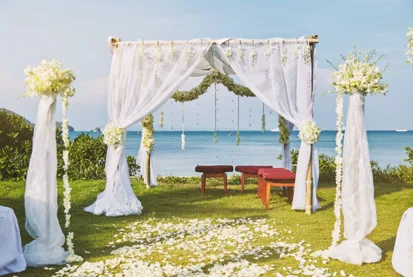
The global hospitality sector is witnessing a profound shift in consumer priorities, with modern travellers increasingly favouring immersive, health-focused experiences over standard luxury holidays. This evolution has naturally spilled into the events sector, fundamentally changing how couples plan their nuptials. Today, nearly half of engaged couples choose to travel for their celebrations, stepping away from performative, party-heavy local banquets in favour of curated, multi-day retreats. The demand for restorative travel is booming, with the Global Wellness Institute reporting that the global wellness tourism market is currently valued at $651 billion annually and projected to grow at 16.6 percent through 2027. This incredible growth is creating a new niche where holistic well-being and romantic celebrations seamlessly intersect. Couples are no longer satisfied with brief, chaotic ceremonies. Instead, they want an extended celebration that leaves everyone feeling refreshed, connected, and physically rejuvenated.
The Rise of Welleisure in Romantic Travel
The traditional two-day wedding timeline is rapidly expanding into three- to five-day wedding weeks. During these extended stays, couples treat their guests to wellness excursions and restorative activities, effectively merging rigorous health programmes with relaxed vacation elements. This rising travel trend, often referred to as welleisure, is becoming a defining characteristic of premium hospitality. It allows hosts to provide an enriched guest experience that prioritises self-care alongside celebration.
As modern travellers prioritise physical and mental well-being over fast-paced itineraries, global destinations are adapting rapidly to meet these new expectations. For example, recent reports show that Thailand taps into health, wellness tourism to boost value-driven growth, catering directly to this shifting demand by offering bespoke wellness retreats that double as event venues. By establishing itself as a premier international hub for these restorative experiences, the country provides the ideal backdrop for couples wanting a mindful start to their marriage.
Integrating Health and Harmony into the Big Day
For couples seeking this delicate balance of celebration and self-care, Southeast Asia offers unmatched opportunities. A prime example is the growing popularity of coastal resort towns where the concept of welleisure is fully embraced by local venues. Planning a luxury phuket wedding now frequently involves weaving holistic health practices directly into the celebration schedule. Instead of overwhelming timelines and late-night exhaustion, couples are replacing stressful traditions with guided relaxation and recovery. This thoughtful approach ensures that both the couple and their guests return home feeling rejuvenated rather than depleted from the festivities.
The adoption of wellness weddings has seen a 24 percent increase globally over recent years, driven largely by millennials and Generation Z. To understand what this looks like in practice, consider the typical inclusions found in these modern event itineraries:
- Pre-ceremony mindfulness: Morning yoga sessions, sound baths, and guided meditation are scheduled to help the bridal party centre themselves before the main event.
- Holistic spa therapies: Traditional treatments, such as Thai hammam rituals and comprehensive wellness consultations, are offered to guests upon arrival to help them unwind from their extensive travels.
- Advanced recovery options: Post-wedding recovery activities are evolving, with specialised planners frequently incorporating cold plunges and intravenous hydration bars into the morning-after brunch.
- Sustainable choices: Zero-waste and eco-friendly event adoption has grown to 22 percent, aligning perfectly with the demand for nature-focused hospitality venues that deeply respect their local environments.
Why Thailand Leads the Restorative Wedding Movement
The Thailand destination wedding market is uniquely positioned to capitalise on these evolving travel trends. Valued at over $1.32 billion in 2026, the sector is forecast to surpass $2 billion by 2031. This robust growth is heavily driven by the high demand for scenic beachfront ceremonies that integrate comprehensive wellness offerings. Furthermore, over 67 percent of couples specifically choose locations that allow them to seamlessly combine their ceremony with a honeymoon extension, a format heavily favoured in this tropical region.
To support this booming sector, local authorities have simplified event licensing processes, making it easier for international planners to execute flawless multi-day events. They have also introduced initiatives like the Love Thailand Visa to expedite entry for international wedding guests and vendors. Boutique resorts and experiential hospitality brands are capturing the premium market by offering unmatched health-focused amenities, from organic farm-to-table dining to immersive sleep therapy programmes. The region’s reputation as a premier international hub for health and hospitality will be further cemented in November 2026, when it is scheduled to host the 20th Global Wellness Summit.
Ultimately, the intersection of wellness tourism and the luxury destination wedding market represents a fundamental shift in how people choose to celebrate life’s biggest milestones. By prioritising shared, health-focused experiences over material extravagance, modern couples are redefining the traditional romantic getaway. As this global welleisure movement continues to expand across the hospitality landscape, destinations that offer an authentic