
How Wide Diabetic Shoes Help Manage Swollen Feet and Improve Daily Comfort
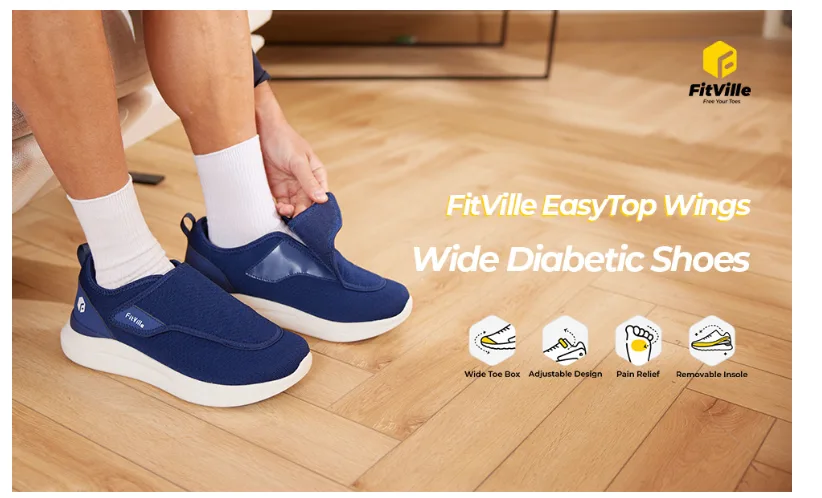
If you live with diabetes, you already know the routine: mornings start fine, then by late afternoon, your feet feel puffy, tight, and strangely “bigger” inside the same shoes that felt normal at breakfast. Add neuropathy (reduced sensation), a bit of stiffness in the toes, maybe a bunion that has slowly become part of your life, and suddenly, footwear stops being a style choice. It becomes the thing that decides whether your day stays productive or turns into a constant search for a chair.
Swollen feet are not just uncomfortable. In diabetes, swelling can amplify friction, raise pressure in the wrong spots, and quietly increase the risk of blisters or skin breakdown that you might not feel until it is already a problem. That is why shoe width and depth matter more than most people realize, like with wide diabetic shoes for swollen feet
This guide breaks down what “wide diabetic shoes” actually do, why they help with swelling, and how to pick a pair that genuinely makes daily life easier.
A quick, practical snapshot
Swelling changes your foot volume throughout the day. When shoes do not adapt, you get pressure, rubbing, and hotspots. For people with diabetes, those issues can escalate faster than expected because reduced sensation and slower healing are common. Health authorities consistently stress proper-fitting footwear and daily foot protection as part of diabetes foot care.
Wide, extra-depth diabetic shoes help by giving your feet the space they need, while still providing structure, cushioning, and a safer interior.
Why swollen feet happen more often with diabetes
“Swollen feet” is a simple phrase, but the causes can be layered.
- Fluid retention and edema
Edema is swelling caused by fluid trapped in body tissues, and it commonly shows up in the legs, ankles, and feet. It can be influenced by long periods of standing, heat, high salt intake, certain medications, and underlying conditions involving the veins, kidneys, liver, or heart.
Even mild edema can make a regular shoe feel like a clamp by evening.
- Circulation and tissue stress
Diabetes can affect blood vessels over time. When circulation is not optimal, the feet can become more vulnerable to irritation, and recovery from small issues can take longer. That is one reason foot protection is emphasized so strongly in diabetes care guidance.
- Neuropathy changes the feedback loop
Peripheral neuropathy can reduce protective sensation, meaning friction or pressure that would normally make you stop and adjust might go unnoticed. Mayo Clinic’s neuropathy guidance highlights wearing cushioned shoes that fit well and allow toes space to move.
When swelling and neuropathy overlap, shoe fit becomes even more critical because your feet are dealing with more stress while giving you less warning.
What “wide diabetic shoes” really means (and what it should include)
A lot of shoes get marketed as “diabetic-friendly,” but the useful features are specific.
Wide width is not just a bigger size
Many people try to “fix” swelling by going up a size. That can create a different problem: the shoe becomes longer, your foot slides, and friction increases. Width is different from length.
Wide diabetic shoes should offer:
- A wider toe box, so toes are not squeezed together
- More forefoot and midfoot room, so swelling does not turn into pressure points
- Better stability, so extra space does not mean sloppy movement
Extra depth matters as much as width
Swelling often makes the top of the foot feel tight too. Extra-depth designs help accommodate volume changes, plus they make room for:
- Thicker socks (often recommended for cushioning)
- Orthotics or custom insoles
- Sensitive areas like hammertoes or prominent joints
The “diabetic” part is about risk reduction
High-quality diabetic footwear usually focuses on lowering friction and controlling pressure. Research on therapeutic footwear emphasizes that the protective benefit increases when the shoe meaningfully reduces plantar pressure in high-risk areas and is worn consistently.
Clinical resources also stress wearing appropriate footwear during weight-bearing activity for people at elevated ulcer risk.
That is the point: not just comfort, but protection that holds up over a full day.
How wide are diabetic shoes that support swollen feet in real life
Let us get concrete. Here is what the right shoe setup actually changes day to day.
Less constriction as your foot expands
Most swelling is dynamic. Many people wake up with slimmer feet and end the day with noticeable puffiness. A wide, extra-depth shoe gives your foot room to expand without pinching the sides or pressing the top of the toes.
That “no squeeze” feeling is not a luxury. It is what reduces rubbing, hotspots, and that nagging ache that makes you walk differently.
Reduced friction, fewer surprise blisters
Poorly fitting shoes are a known contributor to diabetic foot ulcers, especially when rubbing is repetitive and unnoticed.
When swelling makes your foot press into the shoe’s seams, edges, or toe cap, friction rises fast. A wider toe box and smoother interior reduce that constant micro-rubbing.
Better pressure distribution
Swelling changes how you load your foot. If a shoe is narrow, pressure concentrates along the sides, the ball of the foot, and the tips of the toes.
Therapeutic footwear and insoles are used specifically to reduce high-pressure points and lower ulcer risk, but the shoe has to allow that design to work.
In plain terms, wide shoes help your foot sit “flat” in the shoe, not bulge against it.
More stable walking when your feet feel “full.”
Swollen feet can feel clumsy, like your gait is slightly off. A proper, wide diabetic shoe should not feel loose. It should feel roomy where you need room, and supportive where you need structure.
That usually comes from:
- A stable heel counter
- Secure midfoot hold
- Cushioning that does not collapse quickly
Space for the practical stuff that helps swelling
If you wear compression socks (when appropriate and recommended), thicker diabetic socks, or orthotics, standard shoes can become too tight instantly. Extra depth and wide widths give you breathing room without forcing you into an oversized, unstable fit.
How to choose the right width and fit (without guessing)
This is where most people waste money. A few fit habits make a big difference.
Measure at the right time
If your feet swell, measure later in the day, not first thing in the morning. You are trying to fit the “worst case” version of your foot, not the early-morning version.
Fit rules that actually work
- Your longest toe should have a small amount of space in front, but you should not slide forward when walking.
- The forefoot should feel roomy, not stretched.
- Your toes should move freely, not press the roof of the shoe.
- The heel should feel stable with minimal lift.
- If you feel a hotspot in the store, it usually gets worse at home.
Do a two-foot check
It is common for one foot to be slightly larger. Fit to the larger one. This matters even more with swelling.
Pay attention to closures
For swollen feet, adjustable closures can be the difference between “fine for 20 minutes” and “comfortable all day.” Look for laces, straps, or hybrid systems that let you change fit as your foot changes.
Features that matter most for swollen diabetic feet
You do not need a long checklist, but you do need the right priorities.
Start with these essentials:
- Wide toe box with true width options (not just “runs big”)
- Extra depth to accommodate swelling and thicker socks
- Seam-minimized, soft interior to reduce rubbing
- Cushioning that absorbs impact without feeling unstable
- A supportive base that keeps your gait steady
And if you have neuropathy or a history of skin issues, consistent shoe use becomes part of prevention, not just comfort.
Pairing the right shoes with a simple swelling routine
Shoes help, but they are not the whole plan. If swelling is frequent, combine footwear changes with a few realistic habits.
Elevation and movement
Mayo Clinic notes that mild edema can improve with measures like elevation and compression garments, depending on the cause. If you sit long hours, short walking breaks and ankle movement can help reduce pooling.
Daily foot checks are not optional
NIDDK recommends daily foot checks and wearing shoes and socks at all times to prevent injuries. This matters because swelling and neuropathy together can hide small skin problems until they become bigger ones.
Pay attention to patterns
If swelling spikes after certain meals, after heat exposure, or after long standing, that pattern is useful. It helps you plan footwear choices and talk more clearly with a clinician if needed.
When swollen feet should be taken seriously
Some swelling is routine. Some swelling is a warning.
If swelling is sudden, severe, one-sided, painful, red, or comes with shortness of breath or chest discomfort, do not treat it as a “shoe problem.” Get medical help promptly. Edema can be linked to conditions that require evaluation, and authoritative medical resources list multiple systemic causes.
This article is educational, not medical advice, but it is worth saying directly: new or fast-changing swelling deserves a proper check.
A practical option if you are shopping for men’s wide diabetic footwear
If you are specifically looking for supportive options designed for width and comfort, you can explore collections built around extra room and daily wear features. One example is this collection of wide diabetic shoes for swollen feet, which is focused on men’s diabetic footwear needs.
Later, when you have a better sense of your preferred width and closure style, it is useful to keep a second pair in rotation. Shoes last longer and stay more supportive when they are not worn hard every single day.
For another look at the same category, here is the same collection again: wide diabetic shoes for swollen feet.
FAQs
- Do wide diabetic shoes actually reduce swelling?
They do not directly reduce fluid retention. What they do is reduce constriction and pressure, which can make swelling feel less painful and can lower friction-related skin stress.
- Should I size up if my feet swell?
Often, width and depth are a better solution than going longer. Sizing up in length can cause sliding and blisters. Try wide-width options first.
- Are extra-depth shoes necessary if I only swell sometimes?
If swelling is occasional, you might still benefit from extra depth, especially if swelling happens in the evenings. You are trying to fit your feet during the largest part of the day.
- What if one foot swells more than the other?
Fit the larger foot. Use adjustable closures to fine-tune the smaller side. If one-sided swelling is new or sudden, get it evaluated.
- Can diabetic shoes help prevent ulcers?
They can reduce risk by limiting friction and controlling pressure, especially when properly fitted and worn consistently. Poorly fitting shoes are associated with ulcer development from repeated rubbing or pressure.
- What socks pair best with wide diabetic shoes?
Many people do well with cushioned, moisture-managing socks with minimal seams. If compression socks are recommended for your situation, extra depth helps accommodate them without tightness.
- How do I know if the toe box is truly wide enough?
You should be able to wiggle toes freely. The shoe should not press against the sides of your big toe or little toe, even when standing.
- Should I break in diabetic shoes slowly?
Yes. Start with shorter wear periods, monitor for hotspots, and increase gradually. If something rubs early, it usually will not “fix itself” later.
- Do I need orthotics if I have swelling?
Not always. Some people benefit from supportive insoles to distribute pressure. If you have neuropathy, deformities, or prior ulcers, a podiatrist can guide you.
- What is the single biggest mistake people make with swollen diabetic feet?
Forcing a tight shoe because it “looks fine” or “will stretch.” In diabetes care, comfort and proper fit are safety features, not preferences.
Closing thought
Swollen feet can make everyday life feel smaller. You turn down walks, avoid errands, and find yourself planning your day around when you can sit. The right wide diabetic shoe does not “solve” swelling at the root, but it can remove the daily pain tax that comes from tight footwear, rubbing seams, and pressure in all the wrong places.
Aim for a room where swelling happens, stability where your gait needs support, and a soft interior that does not punish your skin for simply existing inside a shoe. Then keep the habit that matters most: wear protective footwear consistently, check your feet daily, and treat new swelling patterns as information, not an inconvenience.