
Hundredths of a Second and High Speed: How TAG Heuer Has Shaped Motorsport
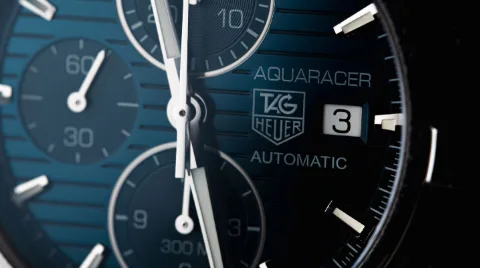
If you’ve ever watched a motorsport race, you’ll know that every second matters. In fact, it’s not just every second; it’s every nanosecond. Whether you’ve seen a recent F1 race, a race you’ve watched live or one that you caught on the Netflix series ‘F1 Drive to Survive’ or whether you’ve watched IndyCar, the main thing that all the teams are talking about is time. Precision and accuracy are key and an instrumental piece of art that has been part of this for decades is TAG Heuer.
What is it about tag hire that makes it so prevalent for the motor sporting industry?TAG Heuer has been part of this world for generations, bringing together watchmaking expertise, technical developments and partnerships with some of the most recognizable names in motorsport. Its influence can be seen in both the instruments used on the track and the watches inspired by racing, in terms of their design.
From Early Stopwatches to the Pursuit of Precision
To understand TAG Heuer’s connection with motorsport and learn more about TAG Heuer’s history, you have to go back to the early days of automotive timekeeping.
It’s time to take it back, all the way to 1911, when the company introduced the Time of Trip, a dashboard-mounted instrument designed to measure journey duration. It was created for automobiles and aircraft. The whole point of this design and product was to give drivers and pilots a practical way to keep track of elapsed time.
A few years later, in 1916, Heuer introduced the Mikrograph and Microsplit stopwatches. These instruments could measure time to 1/100th of a second. Can you believe that? It’s a very impressive achievement that helped establish the company’s reputation for precision, which is why this brand is still very much relevant today.
But things didn’t stop there.
Another important milestone came in 1933 with the Autavia. The name combined automobile and aviation. It eventually became closely associated with racing and rallying, helping build the foundations of the brand’s motorsport identity.
The Carrera: When Racing Inspired an Icon
When you look at the Carrera today, it is easy to recognize its connection with motorsport. Introduced in 1963, the collection takes its name from the Carrera Panamericana, a famous Mexican road race that captured the imagination of Jack Heuer. The inspiration is said to have come through conversations with the parents of racing drivers Ricardo and Pedro Rodríguez at the Sebring circuit.
But it’s not just about the story behind the watch but also about its unique design. You see, it had to look excellent but also deliver real results. That’s why legibility was particularly important. A driver needs to read a watch quickly, without having to study a complicated dial. The Carrera therefore had a clean layout and carefully arranged markers.
The Monaco: A Different Approach to the Racing Chronograph
In 1969, Heuer introduced another watch that would become closely associated with motorsport: the Monaco. Yes, you heard that correctly; it’s also a circuit on the F1 grid.
With its square case and distinctive proportions, it offered something different from the traditional round chronographs that were more commonly known.
What makes the Monaco particularly interesting is how little its original character has changed. Its square silhouette remains its defining feature, while contemporary editions introduce new colors, materials and mechanical developments.
Racing Partnerships and the Technology Behind the Timing
TAG Heuer’s contribution to motorsport goes beyond the watches you see on someone’s wrist. Its work with racing teams has also involved developing timing equipment designed to meet the demands of professional competition.
One of the most significant partnerships began in 1971, when Heuer supplied timing equipment to Scuderia Ferrari. Among the instruments provided was the Le Mans Centigraph, an electronic system capable of measuring time to 1/1,000th of a second. It allowed teams to monitor several cars, record lap times and collect detailed performance information.
This development showed just how important accurate timekeeping had become to professional racing. Teams needed reliable information to assess performance, compare lap times and make decisions throughout a competition. And why not look sleek, elegant and stylish while at it?
A Legacy That Keeps Moving
Today, you can still see the influence of motorsport throughout TAG Heuer’s collections and partnerships. The company served as the official timekeeper of the Formula 1 World Championship from 1992 to 2003 and returned to the role in 2025, succeeding Rolex.
Its partnership with Oracle Red Bull Racing, established in 2016, is another important part of this story. Both organizations share an interest in precision, technical development and performance, making motorsport a natural setting for their collaboration. Some were wary that this might be confusing, as TAG Heuer had a long history with Ferrari; however, it seemed to have gone down well.
Finally, it’s clear to see that TAG Heuer’s motorsport legacy comes down to one essential idea: every fraction of a second counts.